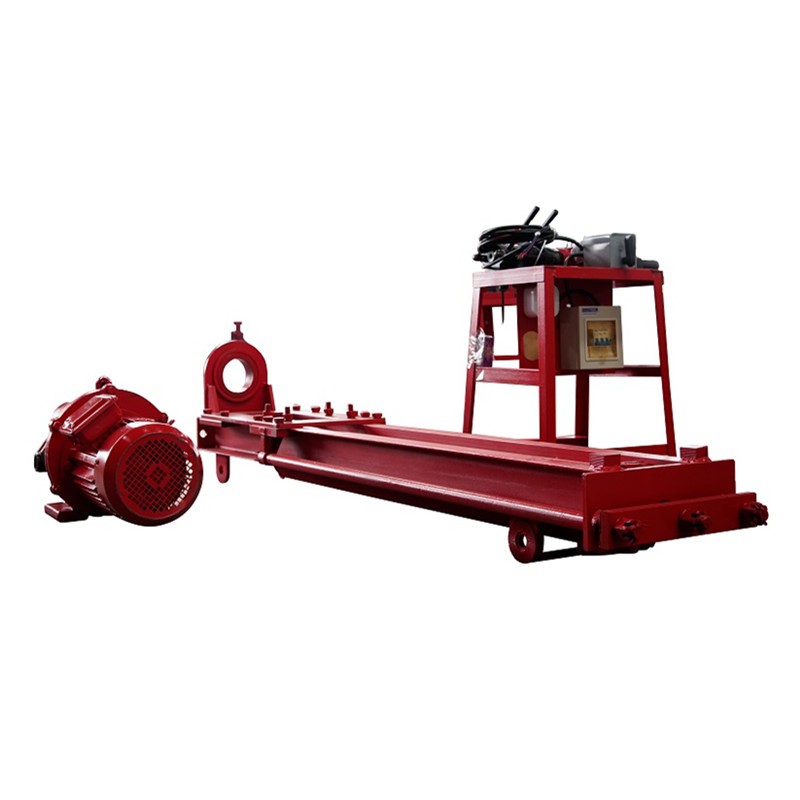
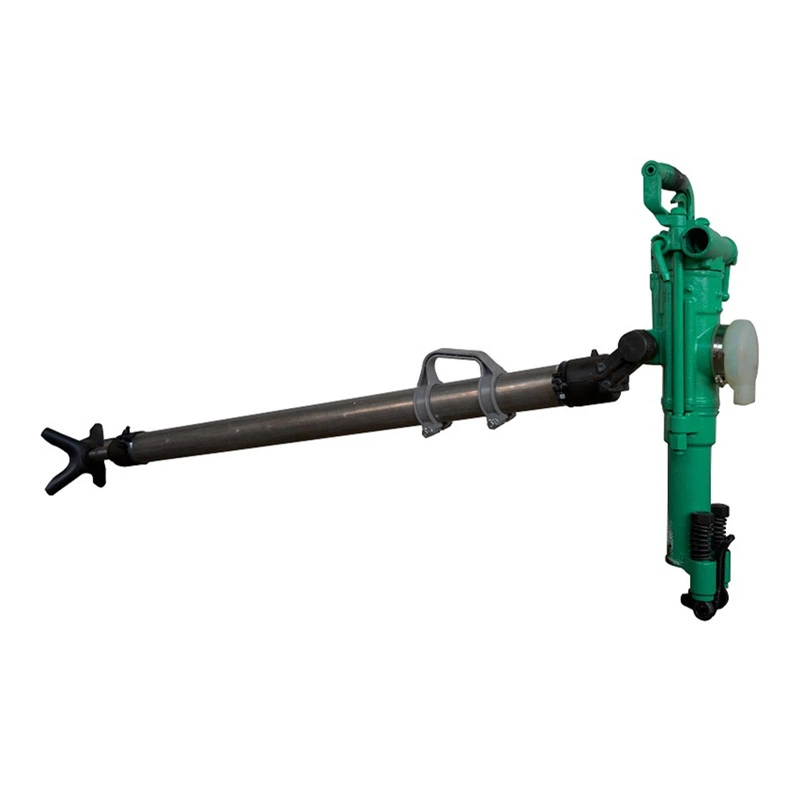
The Down-the-Hole (DTH) pneumatic rock drill is a powerful and efficient tool widely used in the mining, quarrying, and construction industries. As a supplier of DTH pneumatic rock drills, understanding the maintenance cycle of these machines is crucial for ensuring their optimal performance, longevity, and the satisfaction of our customers. In this blog, we will explore the key aspects of the maintenance cycle of DTH pneumatic rock drills, providing valuable insights for both operators and potential buyers.
Initial Inspection and Setup
Before the DTH pneumatic rock drill is put into operation, a thorough initial inspection is essential. This inspection should cover all components of the drill, including the drill bit, hammer, air compressor, and hoses. Check for any visible damage, loose connections, or signs of wear. Ensure that all parts are properly lubricated and that the air compressor is functioning correctly.
During the setup process, it is important to follow the manufacturer's instructions carefully. This includes installing the drill bit correctly, adjusting the air pressure, and setting the appropriate drilling parameters. Proper setup not only ensures the safety of the operator but also maximizes the efficiency of the drill.
Daily Maintenance
Daily maintenance is the foundation of a proper maintenance cycle for DTH pneumatic rock drills. It helps to identify and address minor issues before they escalate into major problems. Here are some key daily maintenance tasks:
- Visual Inspection: Conduct a visual inspection of the drill before and after each use. Look for any signs of damage, such as cracks in the drill bit or hoses, loose bolts, or leaks. Check the condition of the air filters and clean or replace them if necessary.
- Lubrication: Proper lubrication is essential for the smooth operation of the DTH pneumatic rock drill. Check the lubrication levels of the hammer and other moving parts and add lubricant as needed. Use the recommended lubricant specified by the manufacturer.
- Air Pressure Check: Monitor the air pressure of the compressor regularly. Ensure that the air pressure is within the recommended range for the drill. Incorrect air pressure can affect the performance of the drill and cause premature wear of the components.
- Cleaning: Keep the drill clean by removing any dirt, dust, or debris that may accumulate during operation. Use a brush or compressed air to clean the drill bit, hammer, and other parts. This helps to prevent the buildup of contaminants that can cause damage to the drill.
Weekly Maintenance
In addition to daily maintenance, weekly maintenance tasks are necessary to ensure the long-term performance of the DTH pneumatic rock drill. These tasks are more comprehensive and require a bit more time and effort. Here are some key weekly maintenance tasks:
- Component Inspection: Inspect the major components of the drill, such as the hammer, drill bit, and air compressor, for signs of wear and tear. Check the condition of the seals, gaskets, and O-rings and replace them if they are damaged or worn.
- Tightening of Bolts and Nuts: Check and tighten all bolts and nuts on the drill to ensure that they are secure. Loose bolts and nuts can cause vibrations and damage to the drill components.
- Air System Check: Inspect the air system, including the hoses, fittings, and valves, for leaks. Repair any leaks immediately to prevent loss of air pressure and ensure the efficient operation of the drill.
- Performance Testing: Conduct a performance test of the drill to ensure that it is operating at its optimal level. This may include checking the drilling speed, penetration rate, and impact force. If any issues are detected, take appropriate measures to address them.
Monthly Maintenance
Monthly maintenance is a more in-depth inspection and servicing of the DTH pneumatic rock drill. It helps to identify and address any potential problems that may not be apparent during daily or weekly maintenance. Here are some key monthly maintenance tasks:
- Major Component Overhaul: Depending on the usage and operating conditions of the drill, some major components may need to be overhauled or replaced on a monthly basis. This may include the hammer, drill bit, and air compressor. Follow the manufacturer's recommendations for the overhaul and replacement intervals.
- Lubrication System Maintenance: Clean and refill the lubrication system of the drill. Check the condition of the lubricant and replace it if it is contaminated or has reached its service life.
- Electrical System Inspection: If the drill has an electrical component, such as a control panel or motor, inspect the electrical system for any signs of damage or malfunction. Check the wiring, connections, and switches and repair or replace any faulty components.
- Calibration: Calibrate the drill to ensure that it is operating accurately. This may include adjusting the drilling parameters, such as the air pressure, rotation speed, and impact force, to match the specific requirements of the drilling application.
Quarterly and Annual Maintenance
Quarterly and annual maintenance are comprehensive inspections and servicing of the DTH pneumatic rock drill. These maintenance tasks are typically performed by trained technicians and involve a detailed examination of all components of the drill. Here are some key quarterly and annual maintenance tasks:


- Full Component Inspection: Conduct a full inspection of all components of the drill, including the hammer, drill bit, air compressor, hoses, and electrical system. Check for any signs of wear, damage, or corrosion and replace any faulty components.
- Performance Evaluation: Evaluate the performance of the drill based on the operating data and feedback from the operator. Identify any areas for improvement and take appropriate measures to optimize the performance of the drill.
- Safety Check: Review the safety features of the drill, such as the emergency stop button, safety guards, and warning labels. Ensure that all safety features are functioning correctly and that the operator is trained to use them properly.
- Documentation and Record-Keeping: Maintain detailed records of all maintenance activities, including the date, type of maintenance, and any components that were replaced. This documentation helps to track the maintenance history of the drill and provides valuable information for future maintenance and troubleshooting.
Importance of Regular Maintenance
Regular maintenance of DTH pneumatic rock drills is essential for several reasons. First, it helps to ensure the safety of the operator. A well-maintained drill is less likely to malfunction or cause accidents, reducing the risk of injury to the operator and other workers on the job site.
Second, regular maintenance improves the performance and efficiency of the drill. By keeping the drill in good condition, it can operate at its optimal level, resulting in faster drilling speeds, higher penetration rates, and better overall productivity.
Third, regular maintenance extends the lifespan of the drill. By addressing minor issues before they become major problems, the drill can last longer, reducing the need for frequent replacements and saving costs in the long run.
Finally, regular maintenance helps to maintain the warranty of the drill. Most manufacturers require regular maintenance to be performed in accordance with their recommendations to keep the warranty valid. Failure to perform regular maintenance may void the warranty, leaving the operator responsible for the cost of repairs and replacements.
Conclusion
As a supplier of DTH pneumatic rock drills, we understand the importance of regular maintenance for these machines. By following a proper maintenance cycle, operators can ensure the safety, performance, and longevity of their drills. Whether you are a mining company, a quarrying operation, or a construction contractor, investing in regular maintenance of your DTH pneumatic rock drills is a wise decision that will pay off in the long run.
If you are in the market for a DTH pneumatic rock drill or need more information about maintenance and servicing, we are here to help. We offer a wide range of high-quality DTH pneumatic rock drills, as well as Compact Rock Drilling Hydraulic Machine, Portable Rock Drilling Machine, and Pusher Leg Rock Drill. Our team of experts can provide you with the guidance and support you need to choose the right drill for your application and ensure its proper maintenance. Contact us today to discuss your requirements and start a procurement negotiation.
References
- Manufacturer's manuals for DTH pneumatic rock drills
- Industry standards and best practices for rock drill maintenance
- Technical literature on pneumatic systems and rock drilling technology