What is the effect of water in the air supply on DTH Pneumatic Rock Drill?
As a dedicated supplier of DTH (Down-the-Hole) Pneumatic Rock Drills, I've witnessed firsthand the crucial role that air quality plays in the performance and longevity of these powerful tools. Among the various factors that can affect the air supply, the presence of water is particularly significant. In this blog post, I'll delve into the effects of water in the air supply on DTH Pneumatic Rock Drills and provide some insights on how to mitigate these issues.
Understanding the Basics of DTH Pneumatic Rock Drills
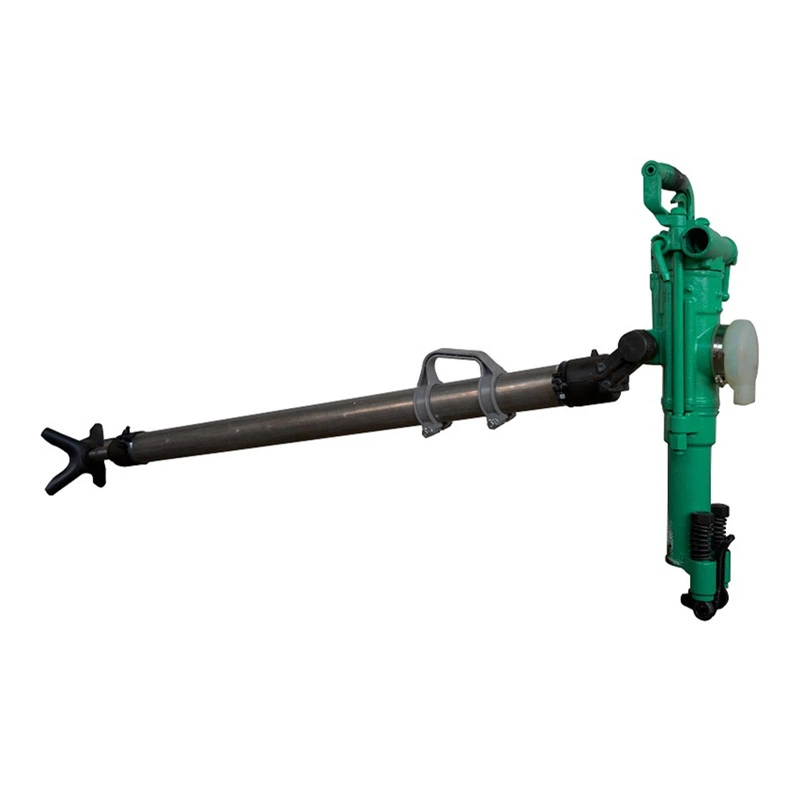
Before we explore the impact of water in the air supply, let's briefly review how DTH Pneumatic Rock Drills work. These drills are designed to penetrate hard rock formations by using compressed air to drive a hammer mechanism inside the drill bit. The compressed air not only powers the hammer but also helps to clear the cuttings from the borehole, allowing the drill to continue its progress.
The efficiency and effectiveness of a DTH Pneumatic Rock Drill depend on a consistent and clean supply of compressed air. Any contaminants in the air, including water, can cause a range of problems that can affect the drill's performance and reliability.
Effects of Water in the Air Supply
1. Reduced Hammer Efficiency
One of the most immediate effects of water in the air supply is a reduction in hammer efficiency. When water enters the drill's air passages, it can form droplets that impede the flow of compressed air. This can cause the hammer to operate less effectively, resulting in decreased drilling speed and a loss of penetration rate.
As the water droplets accumulate, they can also cause the hammer to stall or jam, requiring the operator to stop the drill and clear the blockage. This not only wastes valuable time but can also cause unnecessary wear and tear on the drill components.
2. Increased Wear and Tear
Water in the air supply can also cause increased wear and tear on the drill's internal components. The moisture can corrode the metal surfaces of the hammer, piston, and other moving parts, leading to premature failure and costly repairs.
In addition, the presence of water can cause the lubricants used in the drill to break down more quickly, reducing their effectiveness and increasing the risk of component damage. Over time, this can lead to a significant increase in maintenance costs and downtime.
3. Clogged Air Passages
Another problem associated with water in the air supply is the formation of ice in the drill's air passages. When the air temperature drops, the water droplets can freeze, blocking the flow of compressed air and causing the drill to stop working.
Even if the water doesn't freeze, it can still cause the air passages to become clogged with dirt and debris. The water acts as a magnet for contaminants, which can accumulate and form a blockage that restricts the airflow and reduces the drill's performance.


4. Poor Borehole Quality
Water in the air supply can also have a negative impact on the quality of the borehole. When the water droplets mix with the rock cuttings, they can form a slurry that is difficult to remove from the borehole. This can result in a rough and uneven borehole surface, which can make it more difficult to install casings or other downhole equipment.
In addition, the presence of water can cause the rock to become saturated, making it more prone to collapse and increasing the risk of cave-ins and other safety hazards.
Mitigating the Effects of Water in the Air Supply
1. Use a High-Quality Air Compressor
The first step in preventing water from entering the air supply is to use a high-quality air compressor that is equipped with effective moisture removal capabilities. Look for a compressor that has a built-in condensate drain and a high-efficiency air dryer.
The condensate drain will automatically remove any water that collects in the compressor tank, while the air dryer will remove moisture from the compressed air before it enters the drill. This will help to ensure that the air supply is clean and dry, reducing the risk of water-related problems.
2. Install Air Filters and Separators
In addition to using a high-quality air compressor, it's also a good idea to install air filters and separators in the air supply line. These devices will help to remove any remaining water, oil, and other contaminants from the compressed air before it reaches the drill.
Air filters are designed to remove particulate matter from the air, while separators are used to remove liquid droplets. By using a combination of filters and separators, you can ensure that the air supply to the drill is as clean and dry as possible.
3. Regular Maintenance and Inspection
Regular maintenance and inspection of the drill and air supply system are essential for preventing water-related problems. Make sure to check the air compressor, filters, separators, and other components regularly for signs of wear, damage, or contamination.
Replace any worn or damaged components immediately, and clean or replace the filters and separators as recommended by the manufacturer. This will help to ensure that the air supply system is functioning properly and that the drill is receiving a clean and dry supply of compressed air.
4. Monitor the Air Quality
Finally, it's important to monitor the air quality in the work environment to ensure that the air supply to the drill is not being contaminated by moisture or other pollutants. Use a moisture meter or other air quality monitoring device to check the humidity levels and the presence of other contaminants in the air.
If the air quality is poor, take steps to improve it, such as using a dehumidifier or increasing ventilation in the work area. This will help to reduce the risk of water-related problems and ensure that the drill is operating at peak performance.
Conclusion
In conclusion, water in the air supply can have a significant impact on the performance and reliability of DTH Pneumatic Rock Drills. From reduced hammer efficiency and increased wear and tear to clogged air passages and poor borehole quality, the effects of water can be costly and time-consuming to address.
However, by taking the necessary steps to prevent water from entering the air supply, such as using a high-quality air compressor, installing air filters and separators, performing regular maintenance and inspection, and monitoring the air quality, you can minimize the risk of water-related problems and ensure that your DTH Pneumatic Rock Drill is operating at its best.
If you're in the market for a high-quality DTH Pneumatic Rock Drill or need more information on how to prevent water-related problems, please don't hesitate to contact us. We're here to help you find the right drill for your needs and provide you with the support and expertise you need to keep it running smoothly.
We also offer a wide range of other rock drilling equipment, including Underground Rock Drill, Compact Rock Drill Rigs, and Pusher Leg Rock Drill. Whether you're working in a mining, construction, or other industry, we have the tools and solutions you need to get the job done.
Reach out to us today to start a conversation about your rock drilling requirements. Let's work together to find the best products for your project and achieve optimal results.
References
- "Compressed Air Systems Handbook." Industrial Press, 2020.
- "Rock Drilling and Blasting Handbook." Society for Mining, Metallurgy & Exploration, 2019.
- Manufacturer's manuals for DTH Pneumatic Rock Drills.