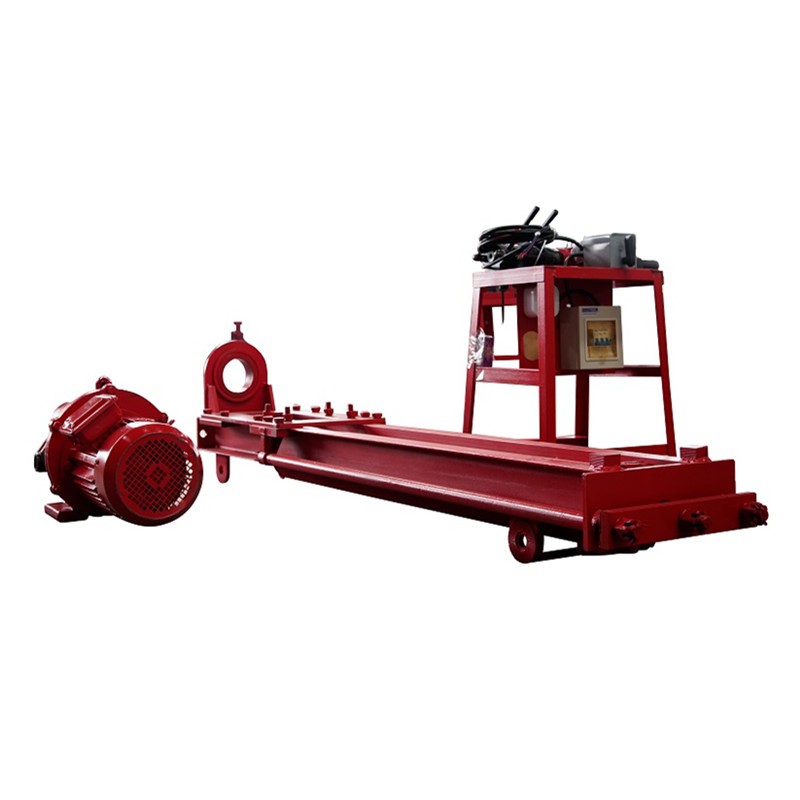
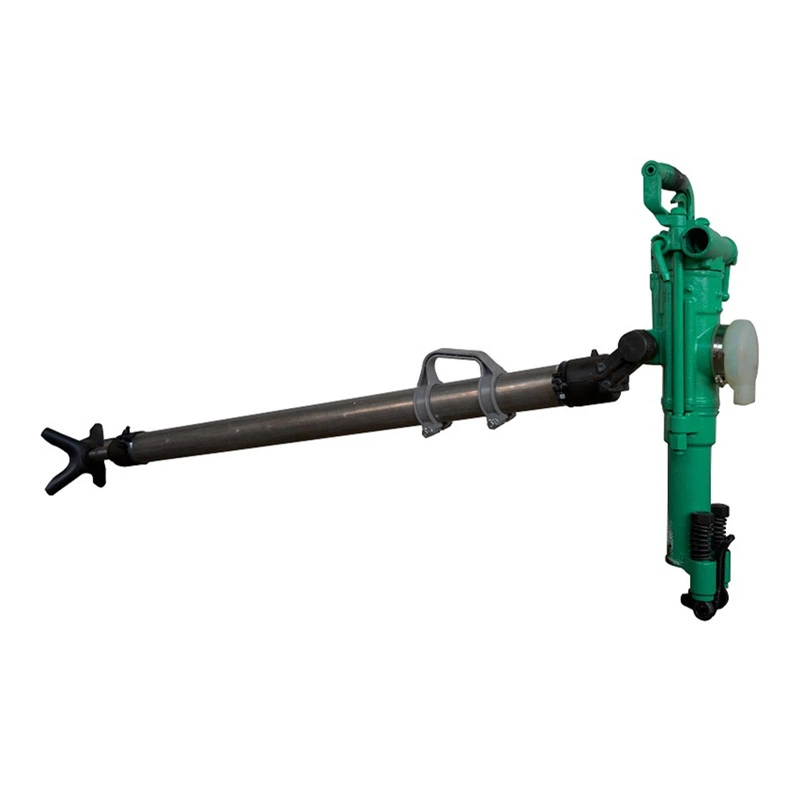
What is the dust emission situation of Dth Rock Drilling Rig?
As a supplier of Dth Rock Drilling Rigs, I have witnessed firsthand the significance of understanding the dust emission situation associated with these powerful machines. Dth (Down-the-Hole) Rock Drilling Rigs are widely used in various industries such as mining, construction, and quarrying. Their ability to drill through hard rock makes them an essential tool for many projects. However, the dust generated during the drilling process can pose significant health and environmental challenges.
Dust Generation Mechanisms in Dth Rock Drilling Rigs
When a Dth Rock Drilling Rig operates, the drill bit penetrates the rock, breaking it into small fragments. This mechanical process generates a large amount of dust. The dust particles are a mixture of rock powder, minerals, and other substances present in the rock formation. The size of the dust particles can vary from large, visible particles to fine, respirable particles that are difficult to detect with the naked eye.
The main factors influencing dust generation include the type of rock being drilled, the drilling speed, and the efficiency of the dust control system. Harder rocks generally produce more dust as they require more force to break. Higher drilling speeds also increase the rate of dust generation, as more rock is being broken per unit of time. Additionally, if the dust control system is not properly maintained or is of low quality, it may not be able to effectively capture and suppress the dust.
Health Risks Associated with Dust Emissions
Exposure to dust generated by Dth Rock Drilling Rigs can have serious health consequences for workers. The fine respirable dust particles can penetrate deep into the lungs and cause a range of respiratory diseases, including silicosis, a chronic and irreversible lung disease caused by the inhalation of crystalline silica dust. Silica is a common component of many rocks, and prolonged exposure to silica dust can lead to scarring of the lungs, reduced lung function, and even death.
In addition to silicosis, other health problems associated with dust exposure include bronchitis, asthma, and lung cancer. Workers who are exposed to high levels of dust over long periods of time are also at increased risk of developing cardiovascular diseases. The health risks are not limited to the workers operating the drilling rigs; nearby workers and even the local community can be affected by the dust emissions if they are not properly controlled.
Environmental Impact of Dust Emissions
The dust emissions from Dth Rock Drilling Rigs can also have a significant impact on the environment. The dust can settle on nearby vegetation, reducing photosynthesis and affecting plant growth. It can also contaminate water sources, making them unsuitable for drinking or other uses. In addition, the dust can contribute to air pollution, reducing air quality and visibility in the surrounding area.
Dust emissions can also have a negative impact on wildlife. Animals that inhale the dust can suffer from respiratory problems, and the dust can also contaminate their food and water sources. In some cases, the dust emissions can even lead to the displacement of wildlife from their natural habitats.
Dust Control Measures for Dth Rock Drilling Rigs
To mitigate the health and environmental risks associated with dust emissions, it is essential to implement effective dust control measures. There are several types of dust control systems available for Dth Rock Drilling Rigs, including wet dust suppression systems, dry dust collection systems, and ventilation systems.
Wet dust suppression systems work by spraying water onto the drilling area to capture and suppress the dust particles. The water helps to weigh down the dust, preventing it from becoming airborne. These systems are relatively simple and cost-effective, but they require a reliable water supply and can be affected by cold weather.
Dry dust collection systems use filters or cyclones to capture the dust particles. The dust is collected in a container or bag, which can be emptied periodically. These systems are more effective at capturing fine dust particles than wet dust suppression systems, but they are also more expensive and require more maintenance.
Ventilation systems are used to remove the dust-laden air from the drilling area and replace it with fresh air. These systems can be used in conjunction with wet or dry dust control systems to further reduce the dust concentration in the air.
Our Company's Approach to Dust Control
As a supplier of Dth Rock Drilling Rigs, we are committed to providing our customers with high-quality equipment that is designed to minimize dust emissions. Our Dth Rock Drilling Rigs are equipped with advanced dust control systems that are designed to meet or exceed industry standards.

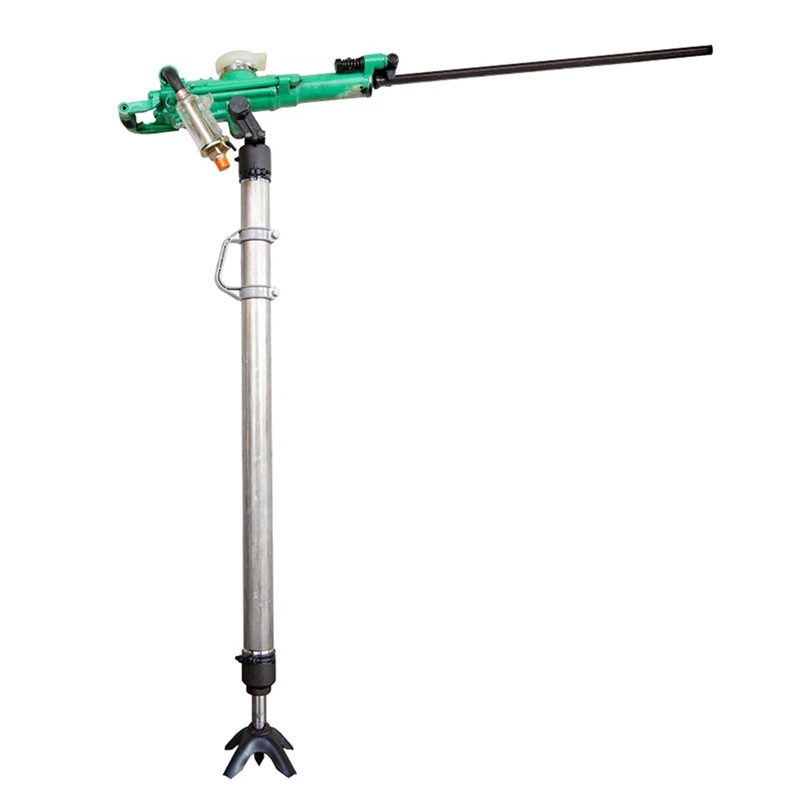
We offer a range of dust control options, including wet dust suppression systems, dry dust collection systems, and ventilation systems. Our wet dust suppression systems are designed to provide maximum dust suppression with minimal water usage, while our dry dust collection systems are designed to be highly efficient and easy to maintain.
In addition to providing high-quality dust control systems, we also offer training and support to our customers to ensure that they are using the equipment correctly and effectively. We believe that by providing our customers with the right tools and knowledge, we can help them to minimize the health and environmental risks associated with dust emissions.
Conclusion
The dust emission situation of Dth Rock Drilling Rigs is a complex issue that requires careful consideration. The dust generated during the drilling process can pose significant health and environmental risks, but these risks can be mitigated through the use of effective dust control measures.
As a supplier of Dth Rock Drilling Rigs, we are committed to providing our customers with high-quality equipment and support to help them minimize the dust emissions from their operations. If you are interested in learning more about our Dth Rock Drilling Rigs or our dust control solutions, please [contact us for procurement and further discussions]. We look forward to working with you to find the best solution for your needs.
References
- "Occupational Exposure to Respirable Crystalline Silica: Final Rule." U.S. Department of Labor, Occupational Safety and Health Administration, 2016.
- "Dust Control in Mining and Quarrying." International Labour Organization, 2012.
- "Environmental Impact of Dust Emissions from Industrial Activities." United Nations Environment Programme, 2015.