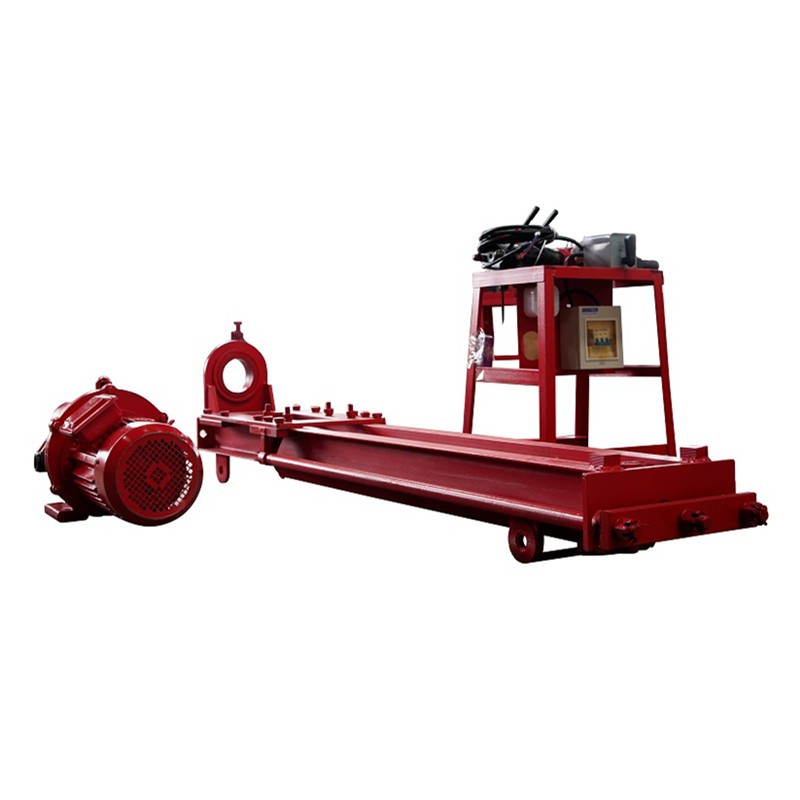
Hey there! As a supplier of Pusher Leg Rock Drills, I've been getting a ton of questions lately about dust control methods for these bad boys. So, I thought I'd put together this blog to share some insights and tips on how to keep the dust down when using a Pusher Leg Rock Drill.
First off, let's talk about why dust control is so important. When you're using a rock drill, especially in a confined space or an area with poor ventilation, the dust generated can be a real health hazard. Inhaling dust particles can lead to respiratory problems, such as silicosis, which is a serious and irreversible lung disease. Not to mention, dust can also damage the drill itself and other equipment, reducing their lifespan and increasing maintenance costs. So, it's in everyone's best interest to keep the dust under control.
Now, let's get into the different dust control methods for a Pusher Leg Rock Drill. There are basically two main types of dust control methods: wet dust control and dry dust control.
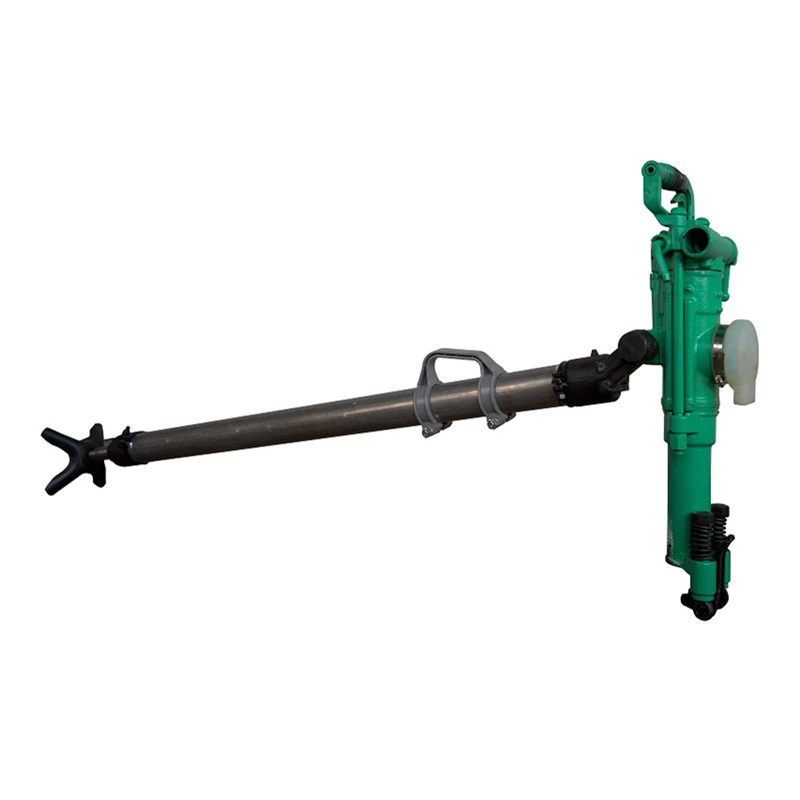

Wet Dust Control
Wet dust control is the most common method used for Pusher Leg Rock Drills. It involves using water to suppress the dust generated during the drilling process. There are a few different ways to implement wet dust control, but the most common method is to use a water injection system.
A water injection system works by injecting water into the drill bit as it's drilling. The water helps to cool the drill bit and also suppresses the dust by capturing the dust particles and preventing them from becoming airborne. There are two main types of water injection systems: internal and external.
- Internal Water Injection System: An internal water injection system is built into the drill itself. It uses a water channel inside the drill to deliver water to the drill bit. This type of system is more efficient than an external system because it delivers the water directly to the source of the dust. However, it can be more expensive and difficult to maintain.
- External Water Injection System: An external water injection system is a separate unit that is attached to the drill. It uses a hose to deliver water to the drill bit. This type of system is less expensive and easier to maintain than an internal system, but it may not be as efficient because the water may not reach the source of the dust as effectively.
Another way to implement wet dust control is to use a water spray system. A water spray system works by spraying water into the air around the drill to suppress the dust. This type of system is often used in conjunction with a water injection system to provide additional dust control.
Dry Dust Control
Dry dust control is another option for Pusher Leg Rock Drills. It involves using a dust collection system to capture the dust generated during the drilling process. There are a few different types of dust collection systems, but the most common type is a vacuum dust collector.
A vacuum dust collector works by using a vacuum to suck the dust into a collection chamber. The dust is then filtered out of the air and collected in a container. There are two main types of vacuum dust collectors: portable and stationary.
- Portable Vacuum Dust Collector: A portable vacuum dust collector is a small, lightweight unit that can be easily moved from one location to another. It's often used for small-scale drilling operations or in areas where space is limited.
- Stationary Vacuum Dust Collector: A stationary vacuum dust collector is a larger, more powerful unit that is designed to be installed in a fixed location. It's often used for large-scale drilling operations or in areas where a high level of dust control is required.
Another type of dry dust control system is a cyclone dust collector. A cyclone dust collector works by using a cyclone separator to separate the dust from the air. The dust is then collected in a container at the bottom of the separator. This type of system is often used in conjunction with a vacuum dust collector to provide additional dust control.
Choosing the Right Dust Control Method
So, which dust control method is right for your Pusher Leg Rock Drill? Well, it depends on a few factors, such as the type of drilling operation you're doing, the environment you're working in, and your budget.
If you're working in a confined space or an area with poor ventilation, wet dust control is probably the best option. It's more effective at suppressing the dust and reducing the risk of respiratory problems. However, if you're working in an area where water is not available or where water damage is a concern, dry dust control may be a better option.
In terms of budget, wet dust control systems are generally less expensive than dry dust control systems. However, they may require more maintenance and may not be as effective in all situations. Dry dust control systems are more expensive, but they are generally more effective and require less maintenance.
Tips for Effective Dust Control
Regardless of which dust control method you choose, there are a few tips you can follow to ensure that your dust control system is working effectively:
- Regular Maintenance: Make sure to regularly maintain your dust control system to ensure that it's working properly. This includes cleaning the filters, checking the hoses for leaks, and replacing any worn or damaged parts.
- Proper Training: Make sure that your operators are properly trained on how to use the dust control system. This includes how to turn it on and off, how to adjust the settings, and how to perform basic maintenance.
- Use the Right Equipment: Make sure that you're using the right equipment for the job. This includes using the right type of drill bit, the right type of water injection system or dust collection system, and the right type of personal protective equipment (PPE).
- Monitor the Dust Levels: Make sure to monitor the dust levels in the air around the drill to ensure that they are within the acceptable limits. This can be done using a dust monitor or by taking air samples and having them analyzed in a laboratory.
Conclusion
In conclusion, dust control is an important part of using a Pusher Leg Rock Drill. By choosing the right dust control method and following the tips outlined in this blog, you can help to protect the health of your operators, reduce the risk of equipment damage, and improve the overall efficiency of your drilling operations.
If you're in the market for a Pusher Leg Rock Drill or need help choosing the right dust control system for your needs, please don't hesitate to contact us. We're a leading supplier of Pusher Leg Rock Drills, Portable Rock Drilling Machines, and YT28 Rock Drills, and we'd be happy to help you find the right solution for your needs.
References
- "Dust Control for Rock Drills." Occupational Safety and Health Administration (OSHA).
- "Wet Dust Control Systems for Rock Drills." Mine Safety and Health Administration (MSHA).
- "Dry Dust Control Systems for Rock Drills." National Institute for Occupational Safety and Health (NIOSH).