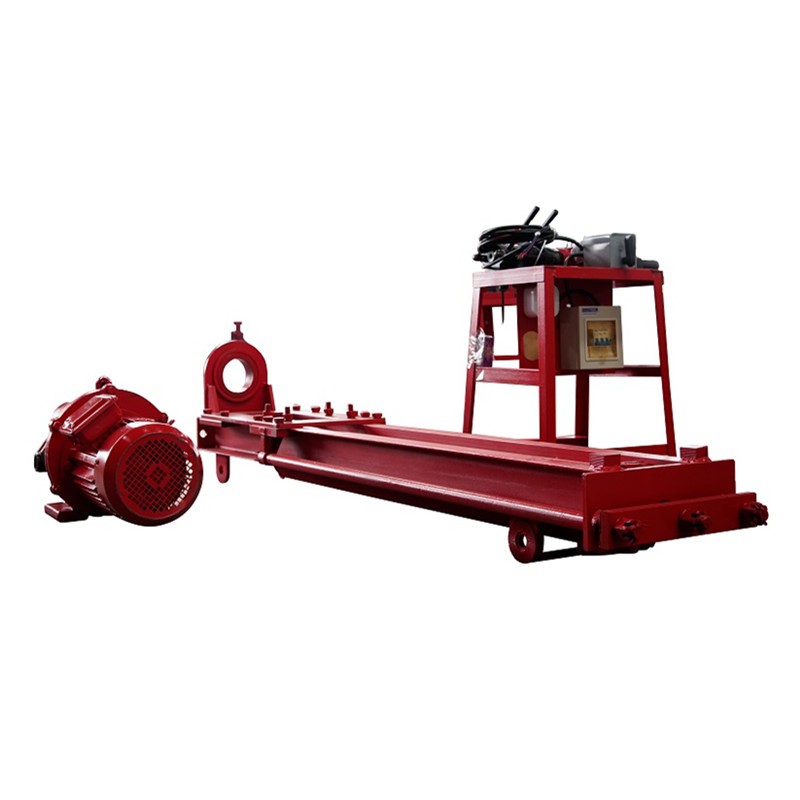
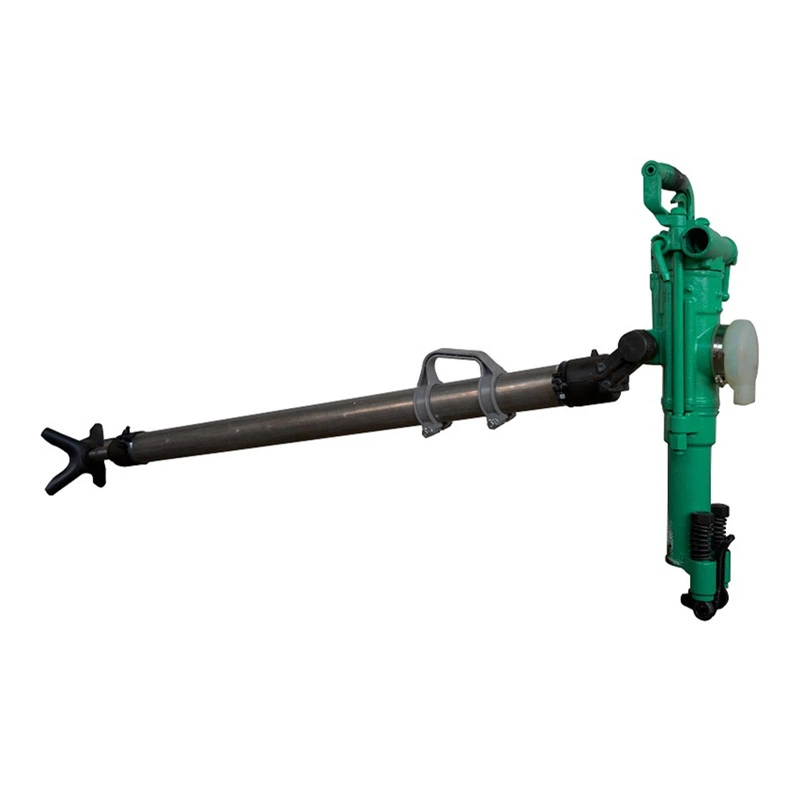
As a supplier of pneumatic drill rigs, I often encounter inquiries about the drilling penetration rate of these powerful machines. The drilling penetration rate is a crucial factor that determines the efficiency and productivity of any drilling operation. In this blog post, I will delve into what the drilling penetration rate of a pneumatic drill rig is, the factors that influence it, and how it impacts your drilling projects.
Understanding the Drilling Penetration Rate
The drilling penetration rate refers to the speed at which a drill bit advances into the material being drilled. It is typically measured in millimeters per minute (mm/min) or inches per minute (in/min). A higher penetration rate means that the drill can complete the drilling task more quickly, reducing the overall time and cost of the project.
For pneumatic drill rigs, the penetration rate is influenced by several factors, including the type of rock or material being drilled, the design and quality of the drill bit, the air pressure and flow rate of the pneumatic system, and the skill of the operator.
Factors Affecting the Drilling Penetration Rate
1. Rock or Material Type
The hardness and abrasiveness of the rock or material being drilled have a significant impact on the penetration rate. Soft rocks, such as limestone or sandstone, are easier to drill through and typically allow for higher penetration rates. On the other hand, hard rocks, like granite or basalt, are more difficult to penetrate and require more time and energy.
For example, when drilling through soft sandstone, a pneumatic drill rig may achieve a penetration rate of 50 - 100 mm/min. However, when drilling through hard granite, the penetration rate may drop to 10 - 30 mm/min.
2. Drill Bit Design and Quality
The design and quality of the drill bit are crucial for achieving a high penetration rate. A well-designed drill bit will have sharp cutting edges and a suitable shape to efficiently break and remove the rock chips. High-quality drill bits are made from durable materials that can withstand the high pressures and abrasion during drilling.


At our company, we offer a range of high-quality drill bits designed for different types of rocks and drilling applications. Our Portable Rock Drilling Machine is compatible with various drill bits, allowing you to choose the most suitable one for your project.
3. Air Pressure and Flow Rate
Pneumatic drill rigs rely on compressed air to power the drilling operation. The air pressure and flow rate provided by the compressor are essential for driving the drill bit and removing the rock chips. A higher air pressure and flow rate generally result in a higher penetration rate.
However, it is important to note that the optimal air pressure and flow rate may vary depending on the type of drill rig and the drilling conditions. Our technical team can provide you with detailed guidance on the appropriate air pressure and flow rate settings for your specific application.
4. Operator Skill
The skill and experience of the operator also play a crucial role in achieving a high penetration rate. A skilled operator will be able to adjust the drilling parameters, such as the feed pressure and rotation speed, to optimize the drilling performance. They will also be able to detect and address any issues that may arise during the drilling process, such as bit wear or blockages.
We offer comprehensive training programs for our customers to ensure that their operators are well-trained and capable of operating our pneumatic drill rigs efficiently.
Impact of Drilling Penetration Rate on Drilling Projects
The drilling penetration rate has a direct impact on the overall efficiency and cost of drilling projects. A higher penetration rate means that the drill can complete the drilling task more quickly, reducing the labor and equipment costs. It also allows for more drilling operations to be carried out within a given time frame, increasing the productivity of the project.
For example, in a mining project, a higher penetration rate can result in increased ore extraction and reduced production costs. In a construction project, it can help to speed up the foundation drilling process and reduce the project timeline.
Improving the Drilling Penetration Rate
To improve the drilling penetration rate of your pneumatic drill rig, you can consider the following tips:
- Choose the Right Drill Bit: Select a drill bit that is suitable for the type of rock or material being drilled. Our Pusher Leg Rock Drill and YT28 Rock Drill are compatible with a variety of drill bits, allowing you to optimize the drilling performance.
- Maintain the Drill Rig: Regular maintenance of the drill rig is essential for ensuring its optimal performance. This includes checking and replacing worn parts, lubricating the moving components, and cleaning the air filters.
- Optimize the Air Supply: Ensure that the compressor is providing the appropriate air pressure and flow rate for the drilling operation. Consider using a high-quality compressor with sufficient capacity to meet the demands of the drill rig.
- Train the Operator: Provide comprehensive training to the operator to ensure that they are familiar with the operation and maintenance of the drill rig. Encourage them to follow the recommended drilling procedures and safety guidelines.
Conclusion
The drilling penetration rate of a pneumatic drill rig is a critical factor that determines the efficiency and productivity of drilling projects. By understanding the factors that influence the penetration rate and taking appropriate measures to improve it, you can significantly enhance the performance of your drilling operations.
As a leading supplier of pneumatic drill rigs, we are committed to providing our customers with high-quality products and professional technical support. If you have any questions or need further information about our pneumatic drill rigs or drilling penetration rate, please feel free to contact us. We look forward to working with you on your next drilling project.
References
- "Drilling Engineering Handbook" by John P. Gates and George R. Raymer
- "Pneumatic Tools and Equipment" by David A. Witzig