As a seasoned rock drill supplier, I've witnessed firsthand the critical role that drill bit materials play in the performance and durability of rock drills. In this blog, I'll delve into the various materials used for drill bits in rock drills, their properties, and how they impact the overall efficiency of the drilling process.
Common Drill Bit Materials
Tungsten Carbide
Tungsten carbide is one of the most widely used materials for rock drill bits. It is a composite material made up of tungsten carbide particles bonded together with a metal binder, usually cobalt. Tungsten carbide offers excellent hardness, wear resistance, and toughness, making it ideal for drilling through hard rocks such as granite, quartzite, and basalt.
The high hardness of tungsten carbide allows it to maintain its cutting edge even under high pressures and abrasive conditions. This results in longer tool life and reduced downtime for bit replacement. Additionally, tungsten carbide drill bits can achieve higher penetration rates compared to other materials, increasing the overall productivity of the drilling operation.
However, tungsten carbide is relatively brittle and can be prone to chipping or cracking if subjected to excessive impact or vibration. To mitigate this risk, manufacturers often use advanced manufacturing techniques to optimize the binder content and grain size of the tungsten carbide, improving its toughness and resistance to fracture.
Diamond
Diamond is the hardest known material, making it an excellent choice for drilling through extremely hard and abrasive rocks. Diamond drill bits are typically used in applications where high precision and long tool life are required, such as in the mining, construction, and oil and gas industries.
There are two main types of diamond drill bits: natural diamond and synthetic diamond. Natural diamond drill bits are made from high-quality diamonds that are carefully selected and mounted on the drill bit body. Synthetic diamond drill bits, on the other hand, are manufactured using a process called chemical vapor deposition (CVD), which allows for the precise control of the diamond's properties and structure.
Diamond drill bits offer several advantages over other materials, including superior wear resistance, high cutting efficiency, and the ability to drill through a wide range of rock types. However, they are also significantly more expensive than tungsten carbide drill bits, which limits their use to applications where the benefits justify the cost.
High-Speed Steel (HSS)
High-speed steel is a type of tool steel that contains high levels of alloying elements such as tungsten, molybdenum, chromium, and vanadium. HSS drill bits are known for their high hardness, toughness, and heat resistance, making them suitable for drilling through a variety of materials, including soft to medium-hard rocks.
Compared to tungsten carbide and diamond drill bits, HSS drill bits are relatively inexpensive and easy to manufacture. They are also more forgiving in terms of operating conditions, making them a popular choice for small-scale drilling operations and DIY projects.
However, HSS drill bits have a lower wear resistance than tungsten carbide and diamond drill bits, which means they may need to be replaced more frequently. Additionally, they are not suitable for drilling through extremely hard or abrasive rocks, as they can quickly become dull and lose their cutting efficiency.
Factors Affecting Drill Bit Material Selection
When selecting a drill bit material for a specific application, several factors need to be considered, including the type of rock being drilled, the drilling conditions, the required drilling speed and accuracy, and the budget.
Rock Type
The type of rock being drilled is one of the most important factors to consider when selecting a drill bit material. Different rock types have different hardness, abrasiveness, and fracture toughness, which can significantly impact the performance and durability of the drill bit.
For example, if you are drilling through hard and abrasive rocks such as granite or quartzite, tungsten carbide or diamond drill bits may be the best choice due to their high wear resistance and cutting efficiency. On the other hand, if you are drilling through soft to medium-hard rocks such as limestone or sandstone, HSS drill bits may be sufficient.

Drilling Conditions
The drilling conditions, such as the drilling depth, the drilling pressure, the rotation speed, and the presence of water or other fluids, can also affect the performance and durability of the drill bit.
For example, if you are drilling at a high depth or under high pressure, you may need a drill bit material that can withstand the increased stress and wear. Similarly, if you are drilling in a wet or corrosive environment, you may need a drill bit material that is resistant to corrosion and oxidation.
Required Drilling Speed and Accuracy
The required drilling speed and accuracy are also important factors to consider when selecting a drill bit material. If you need to drill quickly and efficiently, you may need a drill bit material that can achieve high penetration rates and maintain its cutting edge for a long time. On the other hand, if you need to drill with high precision, you may need a drill bit material that can provide a smooth and accurate cut.
Budget
The budget is another important factor to consider when selecting a drill bit material. Different drill bit materials have different costs, and you need to balance the performance and durability of the drill bit with your budget.
For example, if you are on a tight budget, HSS drill bits may be the best choice due to their relatively low cost. However, if you need a drill bit that can provide superior performance and durability, tungsten carbide or diamond drill bits may be worth the investment.
Our Rock Drill Products
As a leading rock drill supplier, we offer a wide range of rock drills and drill bits to meet the diverse needs of our customers. Our products are designed and manufactured using the latest technology and high-quality materials, ensuring superior performance, durability, and reliability.
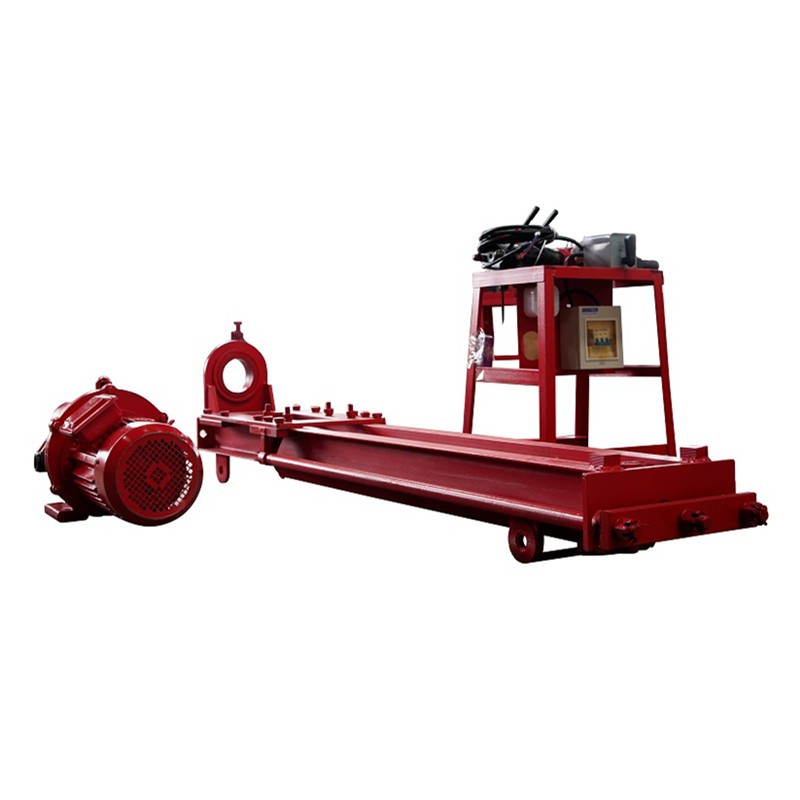
- Underground Rock Drill: Our Underground Rock Drill is specifically designed for use in underground mining and tunneling applications. It features a compact and lightweight design, making it easy to operate in confined spaces. The drill is equipped with a powerful motor and a high-quality drill bit, allowing for efficient and precise drilling through hard rocks.
- Pneumatic Drill Rig: Our Pneumatic Drill Rig is a versatile and reliable drilling rig that is powered by compressed air. It is suitable for a wide range of applications, including construction, mining, and geotechnical exploration. The drill rig is easy to operate and maintain, and it can be customized to meet the specific needs of our customers.
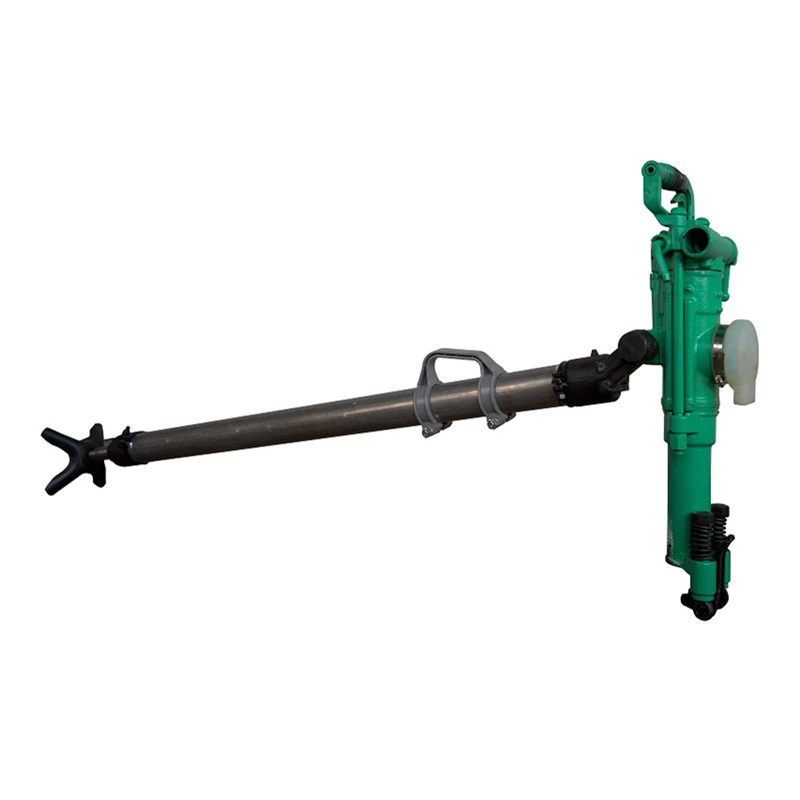
- YT28 Rock Drill: Our YT28 Rock Drill is a popular choice for small-scale drilling operations and DIY projects. It is a lightweight and portable drill that is easy to handle and operate. The drill is equipped with a high-quality drill bit and a powerful motor, allowing for efficient and effective drilling through soft to medium-hard rocks.
Conclusion
In conclusion, the choice of drill bit material is crucial for the performance and durability of a rock drill. Tungsten carbide, diamond, and high-speed steel are the most common materials used for drill bits, each with its own advantages and disadvantages. When selecting a drill bit material, it is important to consider the type of rock being drilled, the drilling conditions, the required drilling speed and accuracy, and the budget.
As a rock drill supplier, we are committed to providing our customers with the highest quality rock drills and drill bits at competitive prices. If you are interested in learning more about our products or have any questions about drill bit material selection, please feel free to contact us. We look forward to working with you and helping you find the right solution for your drilling needs.
References
- ASM Handbook, Volume 1: Properties and Selection: Irons, Steels, and High-Performance Alloys. ASM International, 1990.
- Tool and Manufacturing Engineers Handbook, Volume 2: Machining. Society of Manufacturing Engineers, 1980.
- Fundamentals of Rock Mechanics. John A. Hudson and John A. Harrison. Pergamon Press, 1997.