Hey there! If you're in the construction, mining, or any industry that involves working with rocks, you might have heard about the Pusher Leg Rock Drill. I'm a supplier of these bad boys, and I'm here to spill the beans on what a Pusher Leg Rock Drill is all about.
What the Heck is a Pusher Leg Rock Drill?
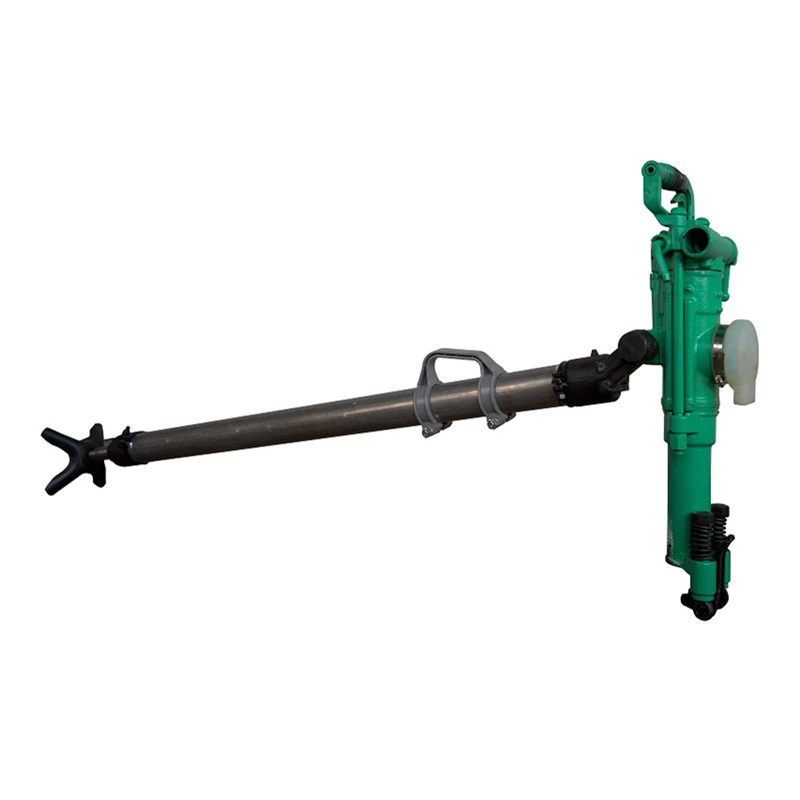
A Pusher Leg Rock Drill is a powerful tool designed to drill holes in hard rock surfaces. It's like a superhero for rock drilling tasks. This drill is usually pneumatic, which means it runs on compressed air. The "pusher leg" part of its name comes from the adjustable leg that helps to push the drill against the rock surface, providing stability and control during the drilling process.
Imagine you're working on a construction site, and you need to drill holes for anchors or explosives in a big, solid rock wall. A Pusher Leg Rock Drill is the perfect tool for the job. It can handle tough rock formations with ease, making your work a whole lot faster and more efficient.
How Does It Work?
Let's break down the working process of a Pusher Leg Rock Drill. First, you connect the drill to a compressed air source. Once the air is flowing, it powers the drill's internal components, which include a piston and a bit. The piston moves back and forth rapidly, creating a hammering action that transfers energy to the drill bit. This hammering action is what allows the bit to break through the rock.
The pusher leg is an essential part of the drill. You can adjust its length and angle to suit the drilling position. By pushing the leg against the rock surface, you can apply the right amount of pressure to keep the drill steady and prevent it from wandering off course. This is crucial for accurate drilling, especially when you need to create holes in specific locations.
Advantages of Using a Pusher Leg Rock Drill
There are several reasons why a Pusher Leg Rock Drill is a popular choice in the industry.


1. Portability
One of the biggest advantages of a Pusher Leg Rock Drill is its portability. It's relatively lightweight and easy to move around, which makes it ideal for jobsites where you need to drill holes in different locations. You can carry it from one spot to another without much hassle, saving you time and effort.
2. Versatility
These drills can be used for a wide range of applications. Whether you're drilling holes for mining, construction, or even geological exploration, a Pusher Leg Rock Drill can get the job done. You can adjust the drilling speed and pressure to suit the specific requirements of your project, making it a versatile tool in your arsenal.
3. Cost-Effective
Compared to some other types of rock drills, Pusher Leg Rock Drills are relatively affordable. They offer a great balance between performance and cost, making them a cost-effective choice for small and medium-sized businesses. You don't have to break the bank to invest in a high-quality drill that can handle tough rock drilling tasks.
Comparing with Other Rock Drills
While Pusher Leg Rock Drills are great, it's important to understand how they compare to other types of rock drills. Let's take a look at two other popular options: Dth Pneumatic Rock Drills and Compact Rock Drilling Hydraulic Machines.
Dth Pneumatic Rock Drill
A Dth Pneumatic Rock Drill (Down-the-Hole Pneumatic Rock Drill) is another type of pneumatic drill. Unlike the Pusher Leg Rock Drill, which hammers the bit from the top, a Dth drill has the hammering mechanism at the bottom of the drill string. This allows it to drill deeper holes more efficiently, especially in hard rock formations. However, Dth drills are usually larger and heavier, which can make them less portable. They also tend to be more expensive than Pusher Leg Rock Drills.
Compact Rock Drilling Hydraulic Machine
A Compact Rock Drilling Hydraulic Machine uses hydraulic power to drive the drill. These machines are known for their high power and precision. They can drill holes quickly and accurately, even in the toughest rock conditions. However, hydraulic machines are generally more complex and require more maintenance than Pusher Leg Rock Drills. They also tend to be more expensive, both in terms of the initial purchase price and the cost of operation.
Applications of Pusher Leg Rock Drills
Pusher Leg Rock Drills have a wide range of applications in various industries. Here are some of the most common ones:
Mining
In the mining industry, Pusher Leg Rock Drills are used to drill holes for blasting, ventilation, and ore extraction. They can be used in both underground and surface mining operations. The portability and versatility of these drills make them a popular choice for miners who need to drill holes in different locations.
Construction
In construction, Pusher Leg Rock Drills are used to drill holes for foundation anchors, drainage systems, and structural reinforcement. They can be used on building sites, bridges, and other infrastructure projects. The ability to drill accurate holes quickly makes these drills an essential tool for construction workers.
Geological Exploration
Geologists use Pusher Leg Rock Drills to collect rock samples for analysis. By drilling holes in the ground, they can access different layers of rock and study their composition. This information is crucial for understanding the geological history of an area and identifying potential mineral deposits.
Maintenance and Safety Tips
To keep your Pusher Leg Rock Drill in top condition and ensure your safety, here are some maintenance and safety tips:
Maintenance
- Regular Cleaning: Clean the drill regularly to remove dirt, dust, and debris. This will prevent the build-up of contaminants that can damage the internal components.
- Lubrication: Lubricate the moving parts of the drill according to the manufacturer's instructions. This will reduce friction and wear, extending the lifespan of the drill.
- Inspection: Inspect the drill regularly for any signs of damage or wear. Check the drill bit, piston, and pusher leg for cracks, chips, or other defects. Replace any worn or damaged parts immediately.
Safety
- Wear Protective Gear: Always wear appropriate protective gear, such as safety glasses, earplugs, and a hard hat. This will protect you from flying debris and noise.
- Follow the Instructions: Read and follow the manufacturer's instructions carefully before using the drill. Make sure you understand how to operate the drill safely and correctly.
- Use the Right Drill Bit: Use the right drill bit for the type of rock you're drilling. Using the wrong bit can damage the drill and reduce its efficiency.
Why Choose Our Pusher Leg Rock Drills?
As a supplier of Pusher Leg Rock Drills, we take pride in offering high-quality products at competitive prices. Here are some reasons why you should choose our drills:
Quality Assurance
We source our drills from reputable manufacturers who use the latest technology and high-quality materials. Our drills are tested and certified to meet international standards, ensuring their reliability and performance.
Customization Options
We understand that every customer has different needs. That's why we offer customization options for our Pusher Leg Rock Drills. You can choose the drill's specifications, such as the drilling speed, pressure, and bit size, to suit your specific requirements.
Excellent Customer Service
We have a team of experienced professionals who are dedicated to providing excellent customer service. Whether you have a question about our products or need help with installation and maintenance, we're here to assist you.
Contact Us for Purchase and洽谈
If you're interested in purchasing a Pusher Leg Rock Drill, or if you have any questions or need more information, please don't hesitate to contact us. We're always happy to help you find the right drill for your needs. You can visit our website Pusher Leg Rock Drill to learn more about our products and services. Let's work together to make your rock drilling projects a success!
References
- Engineering Handbook of Rock Drilling Equipment
- Mining and Construction Machinery Manuals