Hey there! As a supplier of crawler and drilling rigs, I've had my fair share of experiences in the water well drilling business. Drilling a water well with a crawler and drilling rig isn't as simple as just showing up and starting to drill. There are a bunch of requirements that you gotta meet to ensure a successful and efficient drilling process. So, let's dive right in and talk about what those requirements are.
Site Assessment
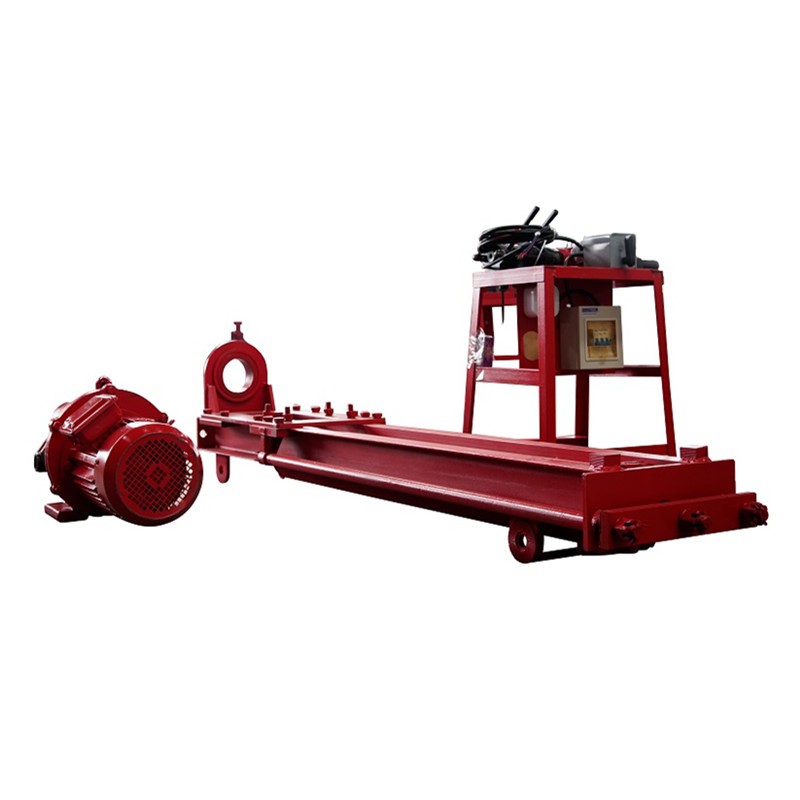
First off, you need to do a thorough site assessment. This is super important because it helps you figure out if the site is suitable for water well drilling in the first place. You gotta check the geology of the area. Different rock formations and soil types can have a huge impact on the drilling process. For example, drilling through hard rock is gonna be a lot more challenging than drilling through soft soil. You might need a more powerful Hydraulic Crawler Drilling Rig if you're dealing with hard rock.
You also need to look at the water table. Knowing how deep the water is can help you determine the right equipment and drilling method. If the water table is shallow, you might be able to use a simpler drilling rig. But if it's deep, you'll need a rig that can reach those depths.
Another thing to consider during the site assessment is the accessibility of the site. Can the crawler and drilling rig actually get to the location? You need to make sure there are no obstacles like large trees, boulders, or narrow passages that could prevent the rig from reaching the drilling site.
Equipment Selection
Once you've done the site assessment, it's time to choose the right equipment. The type of crawler and drilling rig you pick depends on a few factors. As I mentioned earlier, the geology and water table depth play a big role. If you're drilling in a small area with limited space, a compact crawler rig might be the way to go. On the other hand, if you're working on a large - scale project, you'll probably need a more heavy - duty rig.
You also need to think about the drilling method. There are different methods like rotary drilling, percussion drilling, and auger drilling. Each method has its own advantages and is suitable for different conditions. For example, rotary drilling is great for drilling through hard rock, while auger drilling is better for softer soils.
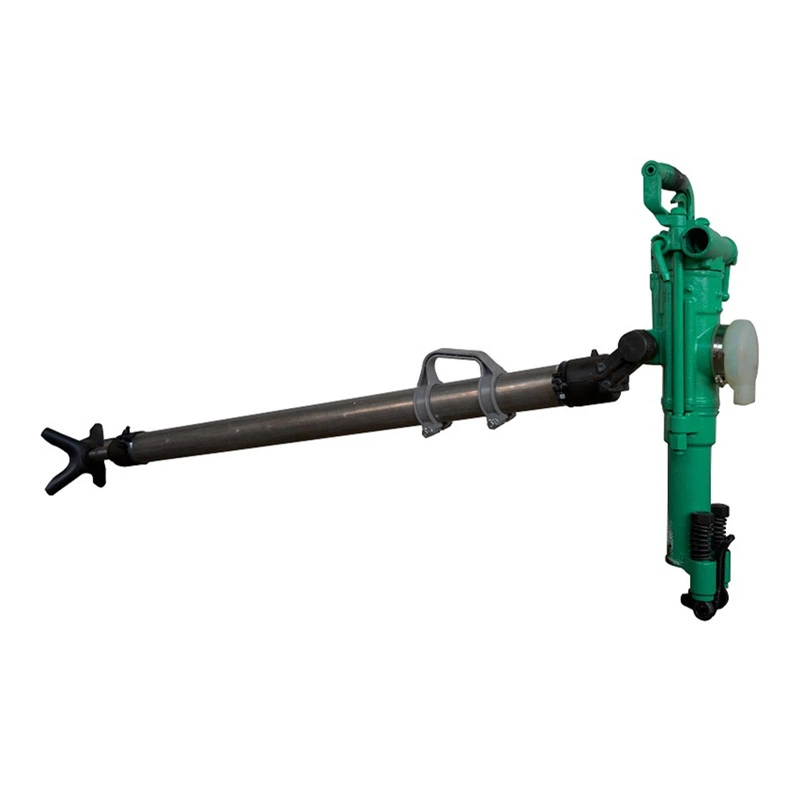
When it comes to the actual drilling equipment, you need to have all the necessary parts. This includes drill bits, casing pipes, and pumps. The drill bit is what actually cuts through the rock and soil, so it needs to be of good quality. You might want to consider Drill Machine Used in Mining if you're dealing with tough conditions. Casing pipes are used to line the well and prevent it from collapsing. And pumps are needed to bring the water to the surface once the well is drilled.
Permits and Regulations
Don't forget about the permits and regulations! Before you start drilling, you need to obtain all the necessary permits from the local authorities. These permits ensure that you're following all the environmental and safety regulations. Different areas have different rules, so you need to do your research and make sure you're in compliance.
Some of the regulations might include things like where you can drill, how deep you can drill, and what kind of waste management practices you need to follow. For example, you might need to have a plan for disposing of the cuttings (the rock and soil that come out during the drilling process) in an environmentally friendly way.
Safety Measures
Safety should always be your top priority when drilling a water well. You need to have a safety plan in place for everyone involved in the project. This includes providing proper safety equipment like hard hats, safety glasses, and steel - toed boots.
The crawler and drilling rig operators need to be properly trained. They should know how to operate the equipment safely and how to handle any emergencies that might arise. Regular maintenance of the equipment is also crucial to prevent accidents. You need to check the rig for any signs of wear and tear, and make sure all the safety features are working properly.
Drilling Process
Once you've met all the requirements and set everything up, it's time to start the drilling process. The first step is to set up the crawler and drilling rig on a stable surface. You need to make sure it's level and secure so that it doesn't tip over during the drilling.
During the drilling, you need to monitor the progress closely. Keep an eye on the drilling speed, the pressure, and the amount of water being used. If you notice any problems like excessive vibration or a sudden change in pressure, you need to stop the drilling and figure out what's going on.
You also need to keep the drill bit cool. This is usually done by circulating water through the drill string. The water helps to lubricate the bit and carry the cuttings to the surface.


After - Drilling
After the well is drilled, there are still a few things you need to do. You need to install the casing pipes and a well screen. The well screen helps to filter out any debris and prevent sand and gravel from entering the well.
Then, you need to test the well to make sure it's producing enough water. You can do this by pumping water from the well for a certain period of time and measuring the flow rate. If the well isn't producing enough water, you might need to go back and do some additional drilling or take other measures to improve the water yield.
Conclusion
So, there you have it! Those are the main requirements for water well drilling with a crawler and drilling rig. It's a complex process that requires careful planning, the right equipment, and strict adherence to safety and environmental regulations.
If you're in the market for a crawler and drilling rig for your water well drilling project, we've got you covered. We offer a wide range of high - quality Hydraulic Crawler Drilling Rig, Drill Machine Used in Mining, and Down Hole Drilling Equipment. Our team of experts can help you choose the right equipment for your specific needs. If you're interested in learning more or discussing a potential purchase, don't hesitate to reach out and start a conversation with us. We're here to make your water well drilling project a success.
References
- "Water Well Drilling Handbook" by some well - known author in the industry.
- Local environmental and safety regulations brochures.
- Manufacturer's manuals for crawler and drilling rigs.