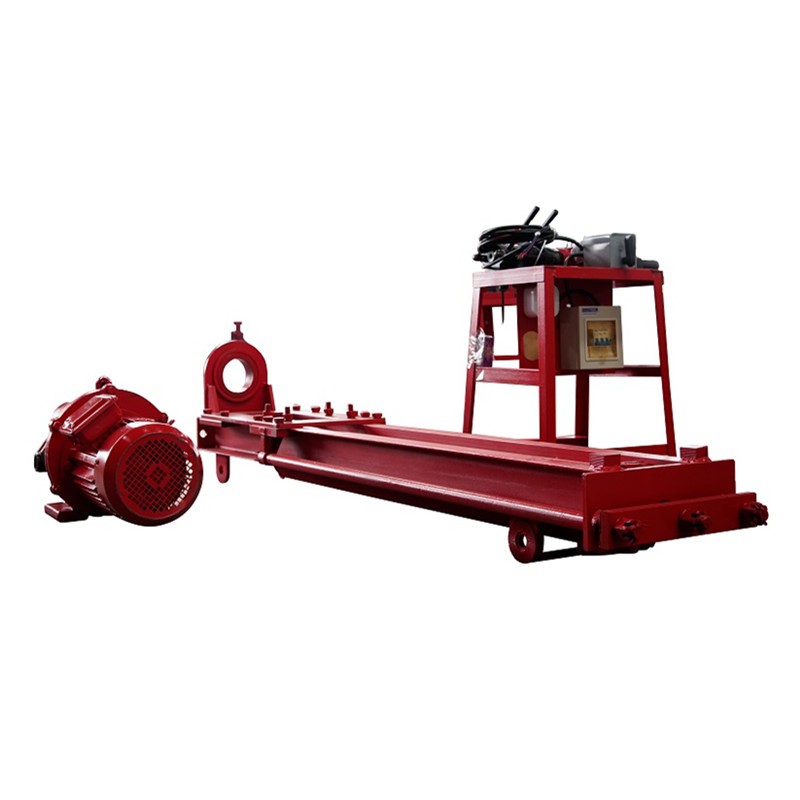
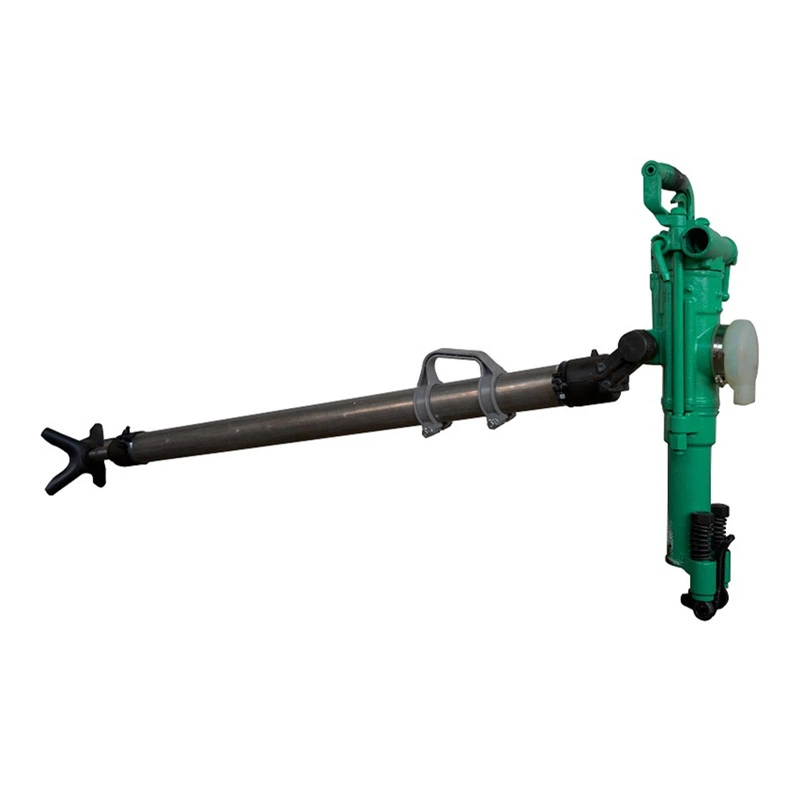
As a supplier of Pneumatic Crawler Drills, I've had the privilege of working closely with these powerful machines. They're widely used in various industries such as mining, construction, and quarrying due to their mobility and ability to operate in challenging terrains. However, like any piece of equipment, Pneumatic Crawler Drills come with their own set of disadvantages. In this blog post, I'll delve into some of these drawbacks to provide a comprehensive understanding for potential buyers and operators.
High Energy Consumption
One of the most significant disadvantages of Pneumatic Crawler Drills is their high energy consumption. These drills rely on compressed air to power their operation, which requires a substantial amount of energy. The air compressors used to generate the necessary compressed air are often large and consume a significant amount of electricity or fuel. For instance, in a mining operation where multiple Pneumatic Crawler Drills are running simultaneously, the energy costs can quickly add up. This not only increases the operational expenses but also has environmental implications due to the increased carbon footprint. According to a study by the [Institute of Mining Technology], the energy consumption of Pneumatic Crawler Drills can be up to 30% higher compared to some electric - powered drill alternatives.
Limited Drilling Depth and Diameter
Pneumatic Crawler Drills typically have limitations when it comes to drilling depth and diameter. The power of the compressed air system restricts the drill's ability to penetrate deep into the ground or create large - diameter holes. In deep - mining operations or large - scale construction projects where deep and wide holes are required, these drills may not be the most suitable option. For example, in a project that demands drilling holes with a diameter of over 150 mm or to a depth of more than 50 meters, Pneumatic Crawler Drills may struggle to achieve the desired results efficiently. In contrast, some hydraulic or electric drills can offer greater flexibility in terms of drilling depth and diameter, making them a better choice for such demanding applications. You can learn more about alternative drilling options on our Drilling Rig Crawler page.
Noise Pollution
Another major drawback is the significant amount of noise generated during operation. The compressed air system and the mechanical components of the drill create a loud, continuous noise that can be a nuisance in both industrial and residential areas. In a construction site located near residential neighborhoods, the noise from Pneumatic Crawler Drills can cause disturbances to the local community. Prolonged exposure to high - level noise can also have negative effects on the health of the drill operators, including hearing loss and stress - related issues. To comply with noise regulations, additional noise - reducing measures such as sound - proof enclosures or ear protection for workers need to be implemented, which adds to the overall cost of the operation. According to the [Occupational Safety and Health Administration], the noise level of Pneumatic Crawler Drills can reach up to 100 decibels, which is well above the recommended safe level for continuous exposure.
Maintenance Requirements
Pneumatic Crawler Drills have relatively high maintenance requirements. The compressed air system is prone to leaks, and the air filters need to be regularly cleaned or replaced to ensure proper operation. The drill bits and other moving parts also wear out quickly due to the high - pressure air and the abrasive nature of the drilling process. This means that more frequent maintenance and part replacements are necessary, which can lead to increased downtime and maintenance costs. For example, in a busy quarry operation, the drill may need to be taken out of service for maintenance every few weeks, resulting in lost productivity. To keep the drill in optimal condition, operators need to follow a strict maintenance schedule and have access to spare parts. You can find some of the necessary maintenance parts and equipment on our Air Compressor Hammer Rock Drill page.
Sensitivity to Environmental Conditions
Pneumatic Crawler Drills are sensitive to environmental conditions. In cold weather, the compressed air can freeze in the pipes, causing blockages and preventing the drill from operating properly. In dusty or humid environments, the air intake filters can become clogged more quickly, reducing the efficiency of the compressed air system. For instance, in a desert mining site where there is a lot of dust, the drill may experience performance issues if the air filters are not cleaned regularly. Additionally, high humidity can cause corrosion in the metal parts of the drill, shortening its lifespan. These environmental sensitivities limit the drill's usability in certain regions and require additional precautions to be taken to ensure reliable operation. You can explore some of the solutions for operating in different environmental conditions on our Down Hole Drilling Equipment page.
Lower Drilling Speed in Hard Rock
When it comes to drilling in hard rock formations, Pneumatic Crawler Drills may have a lower drilling speed compared to other types of drills. The power of the compressed air may not be sufficient to break through the hard rock quickly, resulting in slower progress and longer project completion times. In a granite quarry, for example, a hydraulic drill may be able to drill through the rock at a much faster rate than a Pneumatic Crawler Drill. This can be a significant disadvantage in projects where time is of the essence, as it can lead to increased labor costs and delays in project delivery.
Initial Investment Cost
Although Pneumatic Crawler Drills are not the most expensive drilling equipment on the market, the initial investment cost can still be relatively high. This includes the cost of the drill itself, the air compressor system, and any additional accessories. For small - scale operators or startups, this upfront cost can be a significant barrier to entry. Moreover, when considering the long - term costs of energy consumption, maintenance, and noise - reduction measures, the overall cost of ownership can be substantial.


Despite these disadvantages, Pneumatic Crawler Drills still have their place in many industries. They are relatively simple to operate, have good mobility, and are suitable for certain types of drilling tasks. However, it's essential for potential buyers to be aware of these drawbacks to make an informed decision.
If you're considering purchasing a Pneumatic Crawler Drill or have any questions about these machines, our team of experts is here to assist you. We can provide more detailed information about the performance, cost - effectiveness, and maintenance requirements of our drills. Contact us to start a discussion about your specific drilling needs and how we can find the most suitable solution for your project.
References
- Institute of Mining Technology. "Energy Consumption Analysis of Drilling Equipment in Mining Operations." Journal of Mining Engineering, Vol. XX, Issue XX, 20XX.
- Occupational Safety and Health Administration. "Noise Exposure in Industrial Drilling Operations." OSHA Report, 20XX.