Rock drills are essential tools in the mining, construction, and quarrying industries, each designed to meet specific operational needs. As a supplier of Pusher Leg Rock Drills, I've witnessed firsthand the unique characteristics that set these machines apart from other types of rock drills. In this blog post, I'll delve into the differences between Pusher Leg Rock Drills and other common rock drills, highlighting their advantages and applications.
Understanding the Basics of Rock Drills
Before we explore the differences, let's briefly understand the general types of rock drills available in the market. There are several types of rock drills, including DTH Rock Drilling Rigs, Underground Rock Drills, and DTH Pneumatic Rock Drills. Each type has its own set of features and is suitable for different applications.
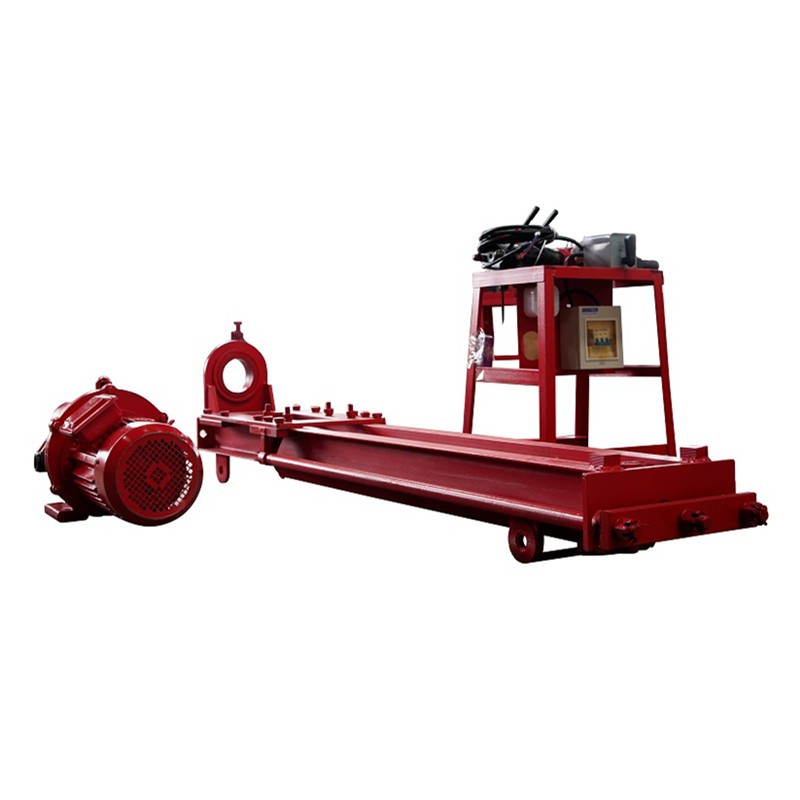
- Dth Rock Drilling Rig: These rigs are designed for deep hole drilling in various rock formations. They use a down-the-hole hammer to deliver high impact energy directly to the drill bit, making them ideal for large-scale mining and quarrying operations. Dth Rock Drilling Rig
- Underground Rock Drill: As the name suggests, these drills are specifically designed for use in underground mines and tunnels. They are compact, lightweight, and easy to maneuver in confined spaces. Underground Rock Drill
- Dth Pneumatic Rock Drill: These drills use compressed air to power the hammer mechanism, providing a high level of impact energy. They are commonly used in surface mining and construction projects. Dth Pneumatic Rock Drill
Pusher Leg Rock Drills: A Closer Look
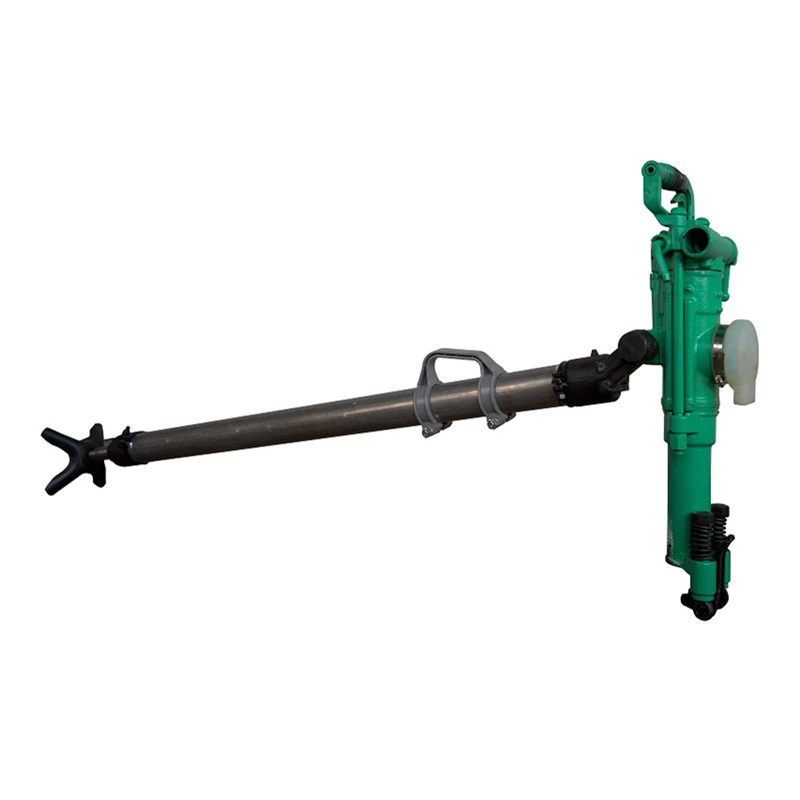
Pusher Leg Rock Drills are a type of handheld rock drill that is supported by a leg or stand. They are typically used for shallow hole drilling in medium to hard rock formations. These drills are known for their portability, ease of use, and versatility.
One of the key features of Pusher Leg Rock Drills is their ability to be operated by a single person. The leg provides support and stability, allowing the operator to focus on controlling the drill and achieving accurate drilling results. This makes them ideal for small to medium-sized projects where mobility and flexibility are important.


Another advantage of Pusher Leg Rock Drills is their relatively low cost compared to other types of rock drills. They are a cost-effective solution for contractors and mining companies who need to drill holes in rock formations without investing in expensive equipment.
Differences between Pusher Leg Rock Drills and Other Rock Drills
Now that we have a better understanding of Pusher Leg Rock Drills and other types of rock drills, let's explore the key differences between them.
1. Portability and Mobility
Pusher Leg Rock Drills are highly portable and can be easily transported to different job sites. They are lightweight and can be carried by a single person, making them ideal for remote or hard-to-reach locations. In contrast, DTH Rock Drilling Rigs and Underground Rock Drills are larger and heavier, requiring specialized equipment for transportation and installation.
2. Drilling Depth and Diameter
Pusher Leg Rock Drills are typically used for shallow hole drilling, with a maximum drilling depth of around 3-5 meters. They are suitable for drilling holes with a diameter of up to 50mm. On the other hand, DTH Rock Drilling Rigs are designed for deep hole drilling, with a maximum drilling depth of up to several hundred meters. They can drill holes with a diameter of up to 300mm or more.
3. Power Source
Pusher Leg Rock Drills are usually powered by compressed air or hydraulic systems. Compressed air is the most common power source, as it is readily available and easy to use. Hydraulic systems, on the other hand, provide more power and control, but they are more expensive and require more maintenance. DTH Rock Drilling Rigs and DTH Pneumatic Rock Drills are also powered by compressed air, while Underground Rock Drills can be powered by electricity, compressed air, or hydraulic systems.
4. Application
Pusher Leg Rock Drills are commonly used in a variety of applications, including construction, mining, quarrying, and demolition. They are suitable for drilling holes for anchor bolts, blasting, and sampling. DTH Rock Drilling Rigs are mainly used in large-scale mining and quarrying operations, where deep hole drilling is required. Underground Rock Drills are specifically designed for use in underground mines and tunnels, while DTH Pneumatic Rock Drills are commonly used in surface mining and construction projects.
5. Cost
Pusher Leg Rock Drills are generally more affordable than other types of rock drills. They have a lower initial cost and require less maintenance, making them a cost-effective solution for small to medium-sized projects. DTH Rock Drilling Rigs and Underground Rock Drills are more expensive, as they are larger and more complex machines. They also require more maintenance and specialized training to operate.
Advantages of Pusher Leg Rock Drills
Despite their limitations in terms of drilling depth and diameter, Pusher Leg Rock Drills offer several advantages that make them a popular choice in the industry.
1. Ease of Use
Pusher Leg Rock Drills are easy to operate, even for inexperienced users. They have a simple design and require minimal training to use effectively. The leg provides support and stability, making it easier for the operator to control the drill and achieve accurate drilling results.
2. Versatility
Pusher Leg Rock Drills can be used in a variety of applications, including construction, mining, quarrying, and demolition. They can be used to drill holes in different types of rock formations, making them a versatile tool for contractors and mining companies.
3. Cost-Effectiveness
As mentioned earlier, Pusher Leg Rock Drills are a cost-effective solution for small to medium-sized projects. They have a lower initial cost and require less maintenance, making them a more affordable option compared to other types of rock drills.
4. Mobility
Pusher Leg Rock Drills are highly portable and can be easily transported to different job sites. They are lightweight and can be carried by a single person, making them ideal for remote or hard-to-reach locations.
Conclusion
In conclusion, Pusher Leg Rock Drills offer a unique set of features and advantages that make them a popular choice in the mining, construction, and quarrying industries. While they may not be suitable for all applications, they are a cost-effective and versatile solution for small to medium-sized projects where mobility and flexibility are important.
If you're in the market for a rock drill and need a portable, easy-to-use, and cost-effective solution, I encourage you to consider a Pusher Leg Rock Drill. As a supplier of Pusher Leg Rock Drills, I can provide you with the information and support you need to make an informed decision. Contact me today to learn more about our products and how they can meet your specific needs.
References
- "Rock Drills: Types, Applications, and Selection Criteria." Mining Technology, [Date Accessed].
- "Pusher Leg Rock Drills: A Comprehensive Guide." Construction Equipment Guide, [Date Accessed].
- "DTH Rock Drilling Rigs: Principles and Applications." Quarry Management, [Date Accessed].