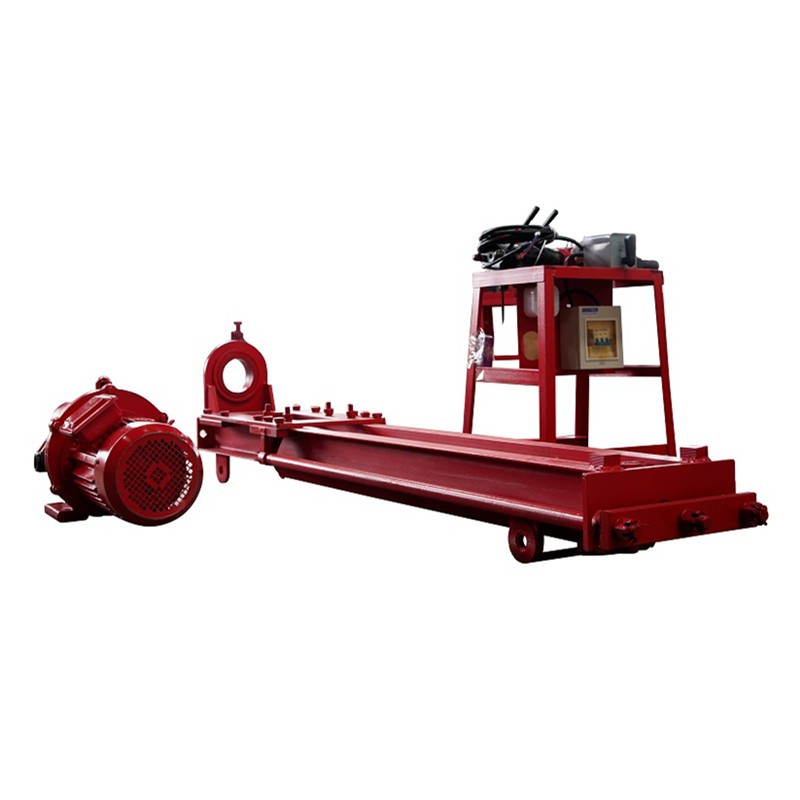
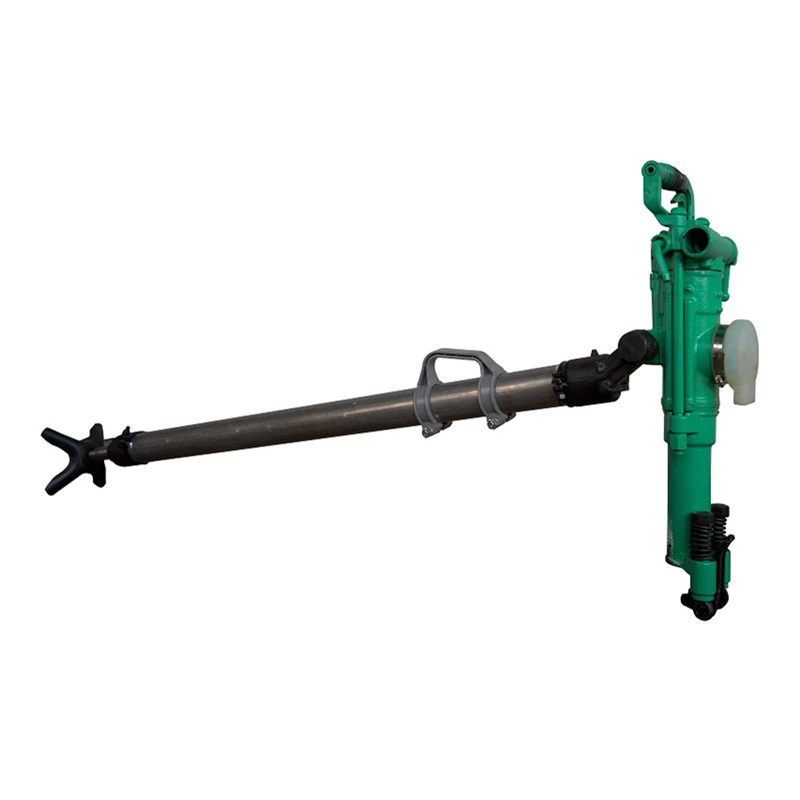
In the realm of drilling operations, low pressure DTH (Down-The-Hole) hammers have emerged as indispensable tools, offering efficiency and reliability in various geological conditions. As a dedicated supplier of Low Pressure Dth Hammer, I understand the significance of having the right accessories to enhance the performance and longevity of these hammers. In this blog post, I will delve into the diverse range of accessories available for low pressure DTH hammers, exploring their functions, benefits, and how they contribute to the overall success of drilling projects.
Drill Bits
One of the most critical accessories for low pressure DTH hammers is the drill bit. DTH Hammer Drill Bits come in a variety of shapes, sizes, and designs, each tailored to specific drilling applications and geological formations. Carbide-tipped drill bits are a popular choice due to their exceptional hardness and wear resistance, making them suitable for drilling through hard rock formations. Button bits, on the other hand, feature rounded carbide buttons that provide efficient penetration and extended bit life.
The selection of the appropriate drill bit depends on several factors, including the type of rock, drilling depth, and the desired hole diameter. For instance, in soft to medium-hard rock formations, a tungsten carbide insert (TCI) bit may be the ideal choice, offering excellent cutting efficiency and durability. In contrast, in extremely hard rock, a premium-grade carbide button bit may be necessary to ensure optimal performance and minimize bit wear.
Shanks
Shanks play a crucial role in connecting the DTH hammer to the drill string. They are designed to transmit the impact energy from the hammer to the drill bit, ensuring efficient drilling operations. Shanks come in various sizes and configurations to accommodate different hammer models and drill string specifications.
A well-designed shank should have a high degree of strength and durability to withstand the high impact forces generated during drilling. It should also provide a secure connection between the hammer and the drill string to prevent any loss of energy or misalignment. Additionally, shanks may feature special coatings or treatments to enhance their corrosion resistance and reduce friction, thereby improving the overall efficiency of the drilling system.
Retainers
Retainers are used to secure the drill bit to the DTH hammer, preventing it from becoming dislodged during drilling. They are typically made of high-strength steel and are designed to withstand the high impact forces and vibrations associated with DTH hammer drilling.
There are several types of retainers available, including snap ring retainers, threaded retainers, and pin retainers. The choice of retainer depends on the specific hammer model and the type of drill bit being used. A properly installed retainer ensures that the drill bit remains securely attached to the hammer, reducing the risk of bit loss and improving the safety and efficiency of the drilling operation.
Air Hoses and Fittings
Air hoses and fittings are essential components of the DTH hammer system, as they are responsible for supplying compressed air to the hammer. The compressed air is used to power the hammer's piston, creating the impact force necessary for drilling.
High-quality air hoses are designed to withstand high pressures and temperatures, ensuring reliable performance in harsh drilling environments. They should also be flexible and lightweight to facilitate easy handling and installation. Fittings, on the other hand, are used to connect the air hoses to the hammer and the compressor, ensuring a secure and leak-free connection.
Proper maintenance of air hoses and fittings is crucial to ensure the efficient operation of the DTH hammer system. Regular inspections should be conducted to check for any signs of wear, damage, or leaks. Any damaged or worn components should be replaced immediately to prevent any disruption to the drilling process.
Lubricators
Lubricators are used to provide lubrication to the moving parts of the DTH hammer, reducing friction and wear. They help to extend the life of the hammer and improve its performance by ensuring smooth operation and minimizing the risk of component failure.
There are several types of lubricators available, including automatic lubricators and manual lubricators. Automatic lubricators are designed to deliver a precise amount of lubricant to the hammer at regular intervals, ensuring consistent lubrication and reducing the need for manual intervention. Manual lubricators, on the other hand, require the operator to manually add lubricant to the hammer at specific intervals.
The choice of lubricator depends on the specific hammer model and the operating conditions. In general, automatic lubricators are preferred for large-scale drilling operations, as they offer greater convenience and accuracy. However, manual lubricators may be more suitable for smaller-scale or intermittent drilling applications.
Filters
Filters are an essential accessory for DTH hammer systems, as they help to remove contaminants from the compressed air before it enters the hammer. Contaminants such as dirt, dust, and moisture can cause damage to the hammer's internal components, reducing its performance and lifespan.
Air filters are typically installed between the compressor and the DTH hammer to ensure that the compressed air is clean and free of contaminants. They are designed to trap particles of a specific size, preventing them from entering the hammer. Regular maintenance of air filters is crucial to ensure their effectiveness. Filters should be replaced at regular intervals to prevent any clogging or reduction in airflow.
Couplings
Couplings are used to connect different sections of the drill string together, allowing for the extension of the drilling depth. They are designed to provide a secure and reliable connection between the drill pipes, ensuring the efficient transmission of torque and impact energy.
Couplings come in various sizes and configurations to accommodate different drill pipe diameters and thread types. They should be made of high-strength steel and should have a precise fit to prevent any leakage or misalignment. Additionally, couplings may feature special seals or gaskets to prevent the ingress of water or other contaminants into the drill string.
Bits and Inserts
In addition to the standard drill bits, there are also various types of bits and inserts available for low pressure DTH hammers. These include reaming bits, core bits, and pilot bits, each designed for specific drilling applications.
Reaming bits are used to enlarge the diameter of an existing hole, while core bits are used to extract rock samples for geological analysis. Pilot bits, on the other hand, are used to start the drilling process and guide the main drill bit. Inserts, such as carbide buttons or inserts, can also be replaced or added to the drill bit to enhance its cutting performance and durability.
Benefits of Using the Right Accessories
Using the right accessories for low pressure DTH hammers offers several benefits, including:
- Improved Performance: The right accessories can enhance the efficiency and effectiveness of the DTH hammer, resulting in faster drilling rates and better hole quality.
- Extended Lifespan: By reducing wear and tear on the hammer and its components, the right accessories can extend the lifespan of the equipment, reducing the need for frequent replacements and maintenance.
- Enhanced Safety: Properly functioning accessories ensure the safe operation of the DTH hammer, reducing the risk of accidents and injuries.
- Cost Savings: While high-quality accessories may have a higher upfront cost, they can result in significant cost savings in the long run by reducing downtime, improving productivity, and minimizing the need for repairs and replacements.
Conclusion
In conclusion, the availability of a wide range of accessories for low pressure DTH hammers is essential for ensuring the optimal performance and longevity of these tools. From drill bits and shanks to lubricators and filters, each accessory plays a crucial role in the overall efficiency and effectiveness of the drilling system.
As a supplier of Low Pressure Dth Hammer, I am committed to providing our customers with high-quality accessories that are designed to meet the specific needs of their drilling projects. Whether you are drilling in soft soil or hard rock, we have the right accessories to help you achieve your goals.
If you are interested in learning more about our low pressure DTH hammers and their accessories, or if you have any questions or need assistance with your drilling project, please do not hesitate to contact us. Our team of experts is always ready to provide you with the information and support you need to make the right choices for your drilling operations.

References
- "Drilling Engineering Handbook," by John P. Gates
- "Down-the-Hole Drilling: Principles and Practices," by David W. Penner
- Manufacturer's manuals and technical specifications for low pressure DTH hammers and their accessories.