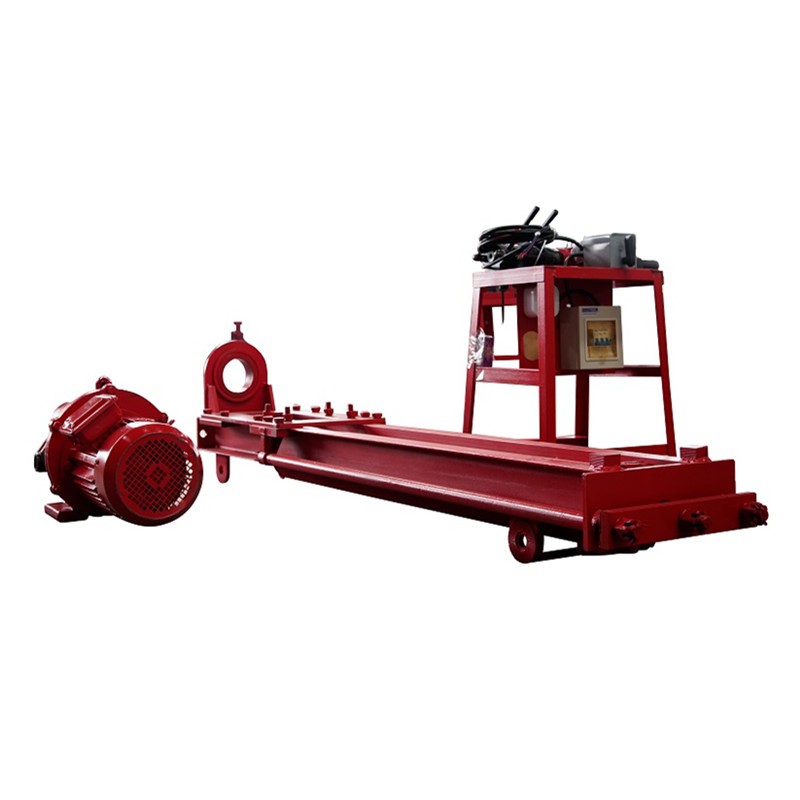
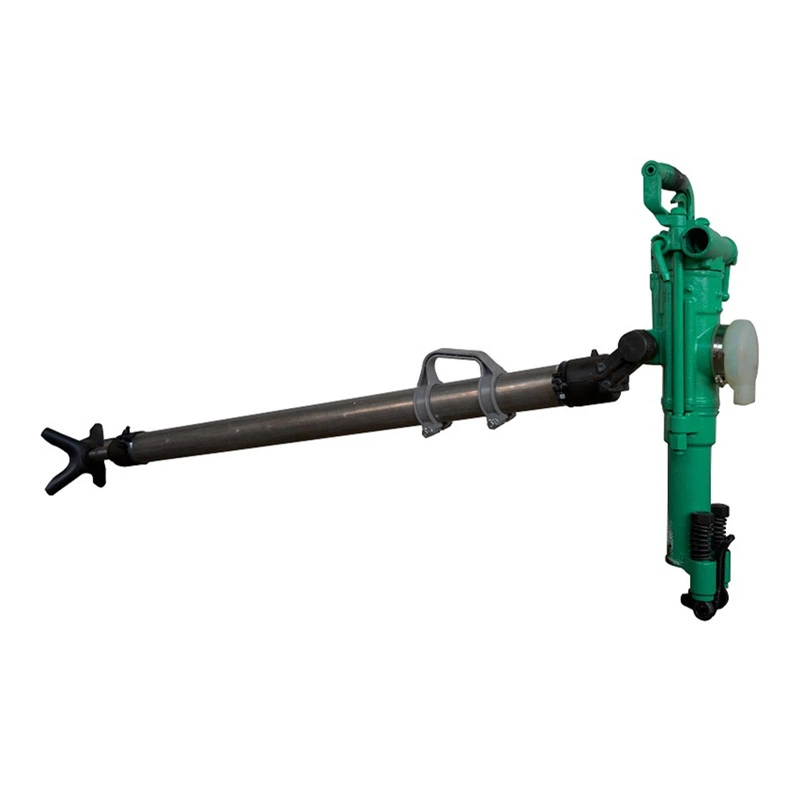
Quarrying is a demanding industry that requires efficient and reliable equipment to extract valuable minerals and rocks from the earth. One such essential tool in quarrying operations is the Pusher Leg Rock Drill. As a supplier of high - quality Pusher Leg Rock Drills, I'm here to share with you a comprehensive guide on how to use this powerful machine effectively in quarrying.
Understanding the Pusher Leg Rock Drill
Before delving into the usage, it's crucial to understand what a Pusher Leg Rock Drill is. A Pusher Leg Rock Drill is a pneumatic or hydraulic tool designed to drill holes in hard rock surfaces. It consists of a drill bit, a drill shank, a motor or air - powered mechanism, and a pusher leg. The pusher leg provides the necessary force to keep the drill bit in contact with the rock and helps in controlling the drilling process.
Preparation Before Use
- Inspection:
- Before starting any quarrying operation with the Pusher Leg Rock Drill, conduct a thorough inspection of the equipment. Check the drill bit for any signs of wear or damage. A worn - out drill bit can significantly reduce the drilling efficiency and may even cause the drill to jam.
- Inspect the pusher leg for any leaks in the hydraulic or pneumatic system. Leaks can lead to a loss of pressure, which will affect the performance of the drill.
- Examine the hoses and connections for any cracks or loose fittings. Tighten any loose connections and replace damaged hoses immediately.
- Safety Gear:
- Safety should always be a top priority in quarrying. Ensure that all operators are equipped with appropriate safety gear, including hard hats, safety glasses, ear protection, and steel - toed boots. The noise generated by the drill can cause hearing damage, so proper ear protection is essential.
- Provide dust masks to prevent inhalation of rock dust, which can be harmful to the respiratory system.
- Site Preparation:
- Clear the quarrying site of any debris, rocks, or other obstacles that may interfere with the drilling operation. Mark the areas where you plan to drill to ensure accurate placement of the holes.
- Check the stability of the ground. Unstable ground can cause the drill to tip over during operation, posing a serious safety risk.
Setting Up the Pusher Leg Rock Drill
- Positioning:
- Place the Pusher Leg Rock Drill at the marked drilling location. Ensure that the drill is stable and level. The pusher leg should be firmly planted on the ground to provide a solid base for the drilling operation.
- Adjust the angle of the drill according to the requirements of the quarrying project. The angle of the hole can affect the efficiency of rock extraction and the overall quality of the quarrying work.
- Connection:
- Connect the drill to the appropriate power source. If it is a pneumatic drill, connect it to a compressed air supply. Make sure the air pressure is within the recommended range specified by the manufacturer. For hydraulic drills, connect them to a hydraulic power unit.
- Attach the drill bit to the drill shank securely. Use the appropriate tools to tighten the connection to prevent the drill bit from coming loose during operation.
Operating the Pusher Leg Rock Drill
- Starting the Drill:
- Once the drill is set up and connected, start the power source. For pneumatic drills, open the air valve slowly to gradually increase the air pressure and start the drill bit rotating. For hydraulic drills, engage the hydraulic system to start the drilling process.
- Apply gentle pressure on the pusher leg to keep the drill bit in contact with the rock surface. Do not apply excessive pressure initially, as this can cause the drill bit to break or wear out quickly.
- Drilling Process:
- As the drill bit starts to penetrate the rock, maintain a steady pressure on the pusher leg. The pusher leg allows you to control the depth and speed of the drilling. Monitor the drilling progress closely and adjust the pressure as needed.
- Periodically withdraw the drill bit from the hole to clear the rock cuttings. Accumulated cuttings can slow down the drilling process and may even cause the drill to overheat. Use a suitable tool, such as a drill rod cleaner, to remove the cuttings from the drill bit and the hole.
- Changing Drill Bits:
- If the drill bit becomes dull or damaged during the drilling process, stop the drill and change the bit. Make sure to follow the manufacturer's instructions for changing the drill bit. Use the appropriate tools to remove the old bit and install the new one securely.
Maintenance During and After Use
- During Use:
- Regularly check the temperature of the drill motor or air - powered mechanism. Overheating can damage the equipment and reduce its lifespan. If the drill starts to overheat, stop the operation, allow it to cool down, and check for any potential causes, such as a clogged air filter or a malfunctioning hydraulic system.
- Listen for any unusual noises coming from the drill. Unusual noises can indicate a problem with the equipment, such as a loose part or a worn - out bearing. Stop the drill immediately and inspect it if you hear any abnormal sounds.
- After Use:
- After completing the drilling operation, turn off the power source and disconnect the drill from the air or hydraulic supply.
- Clean the drill thoroughly to remove any rock dust, cuttings, and oil residues. Use a brush and a suitable cleaning solution to clean the drill bit, the pusher leg, and the motor or air - powered mechanism.
- Store the drill in a dry and secure place. Protect it from moisture, which can cause rust and corrosion.
Advantages of Using a Pusher Leg Rock Drill in Quarrying
- Portability:
- Pusher Leg Rock Drills are relatively lightweight and portable compared to larger drilling rigs. This makes them easy to move around the quarrying site, allowing for quick and efficient drilling in different locations.
- Cost - Effective:
- They are a cost - effective option for small to medium - sized quarrying operations. The initial investment in a Pusher Leg Rock Drill is lower than that of larger drilling equipment, and the operating costs are also relatively low.
- Versatility:
- Pusher Leg Rock Drills can be used for a variety of quarrying applications, including drilling blast holes, anchor holes, and exploration holes. They can work in different types of rock formations, making them a versatile tool in the quarrying industry.
Related Products
If you are looking for other types of rock drilling equipment, we also offer Dth Rock Drilling Rig and Dth Pneumatic Rock Drill. These products are designed to meet the specific needs of different quarrying projects and provide high - performance drilling solutions.


Contact for Purchase and Consultation
If you are interested in our Pusher Leg Rock Drill or have any questions about its usage, performance, or pricing, please feel free to contact us. Our team of experts is ready to assist you with all your quarrying equipment needs. We are committed to providing high - quality products and excellent customer service to help you achieve efficient and successful quarrying operations.
References
- "Quarrying Handbook", by Industry Experts Group
- Manufacturer's Manuals for Pusher Leg Rock Drills
- Safety Guidelines for Quarrying Operations published by relevant industry associations