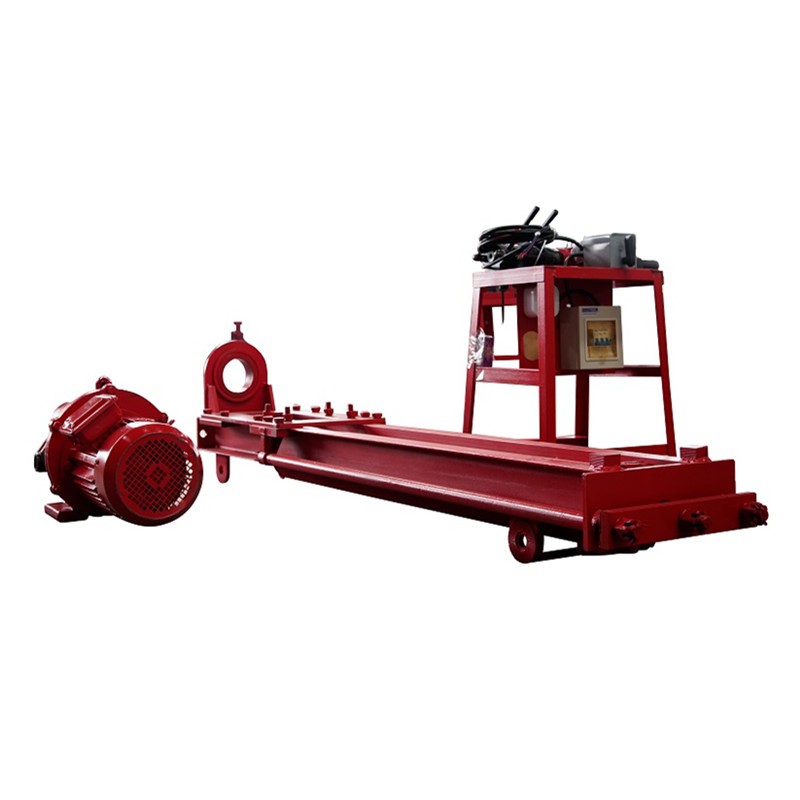
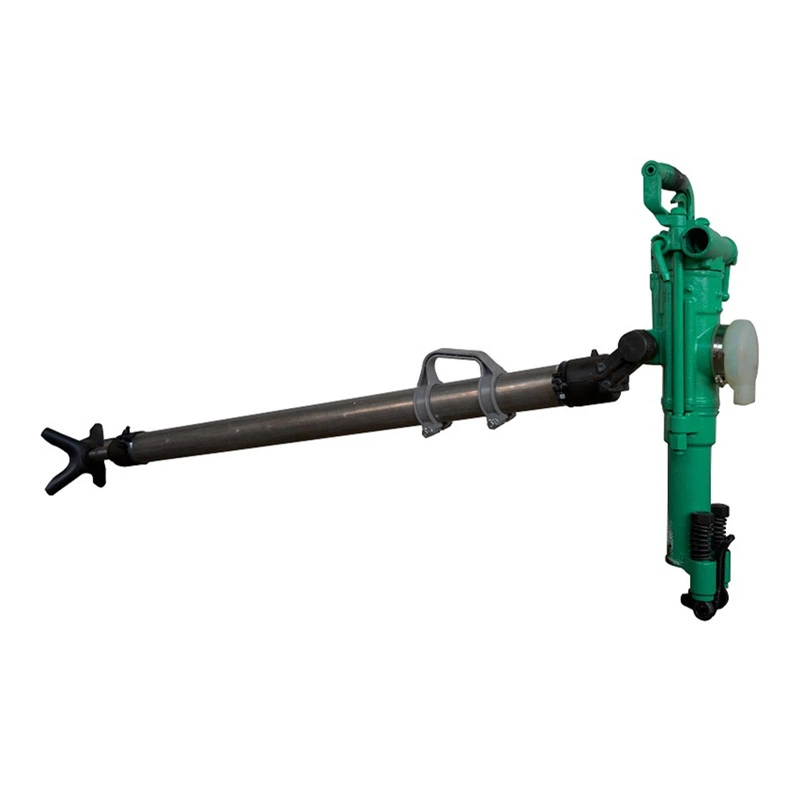
Hey there, folks! As a supplier of Dth Pneumatic Rock Drills, I've seen my fair share of issues with these powerful machines. One of the most common problems that customers come across is the poor penetration of the Dth Pneumatic Rock Drill. It can be frustrating, especially when you're in the middle of a project and the drill just isn't performing as it should. But don't worry, I'm here to help you troubleshoot this issue and get your drill back in top shape.
Understanding the Basics of Dth Pneumatic Rock Drills
Before we dive into the troubleshooting process, let's quickly go over how Dth Pneumatic Rock Drills work. These drills use compressed air to power the hammer mechanism, which in turn strikes the drill bit and creates the impact needed to break through rock. The drill bit rotates at the same time, helping to loosen and remove the fragmented rock.


The key to efficient penetration is a combination of the right air pressure, proper bit selection, and correct drill operation. If any of these factors are off, you might experience poor penetration.
Checking the Air Supply
One of the first things you should do when troubleshooting poor penetration is to check the air supply. Insufficient air pressure or volume can significantly affect the performance of your Dth Pneumatic Rock Drill.
- Air Pressure: Make sure the air compressor is set to the recommended pressure for your drill. Most Dth drills require a specific air pressure range to operate efficiently. If the pressure is too low, the hammer won't strike with enough force, resulting in poor penetration. You can use a pressure gauge to check the air pressure at the drill inlet.
- Air Volume: In addition to pressure, the air volume also matters. If the air compressor can't supply enough air volume, the drill may not be able to function properly. Check the compressor's specifications to ensure it can deliver the required air volume for your drill. You might need to upgrade your compressor if it's not up to the task.
- Air Leaks: Air leaks in the hoses or connections can also cause a decrease in air pressure and volume. Inspect all the hoses and connections for any signs of leaks. You can use a soap - water solution to check for leaks; if you see bubbles forming, it means there's a leak. Repair or replace the damaged parts as soon as possible.
Inspecting the Drill Bit
The drill bit plays a crucial role in the penetration of the Dth Pneumatic Rock Drill. A worn - out or damaged bit can cause poor penetration.
- Wear and Tear: Over time, the drill bit will wear out due to the constant impact and friction with the rock. Check the bit for signs of wear, such as dull cutting edges, chipping, or excessive shortening. If the bit is too worn, it won't be able to break through the rock effectively. Replace the drill bit with a new one when it reaches the end of its useful life.
- Bit Size and Type: Using the wrong bit size or type for the rock formation can also lead to poor penetration. Different rock types require different bit designs and sizes. For example, in hard rock formations, you might need a more robust bit with a different tooth or button configuration. Make sure you're using the appropriate bit for the specific rock you're drilling. We offer a variety of high - quality drill bits suitable for different rock formations, so be sure to choose the right one for your project.
Evaluating the Drill Rod
The drill rod is another component that can affect the penetration of the Dth Pneumatic Rock Drill.
- Rod Alignment: Improper alignment of the drill rod can cause the drill bit to be off - center, resulting in uneven wear and poor penetration. Check the alignment of the drill rod and make sure it's straight. If the rod is bent, replace it immediately.
- Rod Length and Diameter: The length and diameter of the drill rod can also impact the drill's performance. Longer rods may cause a loss of energy transfer from the hammer to the bit, reducing the penetration rate. Make sure you're using the right rod length and diameter for your drill and the specific drilling application.
Assessing the Drilling Technique
Your drilling technique can have a big impact on the penetration of the Dth Pneumatic Rock Drill.
- Feed Pressure: Applying the right amount of feed pressure is crucial. If the feed pressure is too low, the drill bit won't be pressed against the rock hard enough, and the hammer won't be able to break through effectively. On the other hand, if the feed pressure is too high, it can cause excessive wear on the bit and the drill components. Adjust the feed pressure according to the rock type and the drill's specifications.
- Rotation Speed: The rotation speed of the drill also matters. A proper rotation speed helps to distribute the wear evenly on the drill bit and improves the overall penetration. Check the drill's manual for the recommended rotation speed and adjust it as needed.
Considering the Rock Formation
The type and condition of the rock formation can significantly affect the penetration of the Dth Pneumatic Rock Drill.
- Hardness: Harder rocks require more energy to break through. If you're drilling in extremely hard rock, you may need to adjust your equipment and technique accordingly. You might need to use a more powerful drill, a different bit design, or increase the air pressure.
- Fractures and Joints: Rock formations with fractures and joints can cause the drill bit to deviate or get stuck. Be aware of the presence of these natural features and adjust your drilling path if necessary.
Other Possible Issues
There are a few other things that could be causing poor penetration in your Dth Pneumatic Rock Drill.
- Hammer Mechanism: The hammer mechanism inside the drill can sometimes malfunction. Check for any signs of damage or blockage in the hammer. If you suspect a problem with the hammer, you may need to have it repaired or replaced by a professional.
- Lubrication: Proper lubrication is essential for the smooth operation of the drill. Insufficient lubrication can cause increased friction and wear, which can affect the penetration rate. Make sure you're using the right lubricant and that it's being applied at the correct intervals.
Conclusion
Troubleshooting the poor penetration of a Dth Pneumatic Rock Drill involves a systematic approach. By checking the air supply, inspecting the drill bit and rod, evaluating your drilling technique, considering the rock formation, and looking into other possible issues, you can identify and fix the problem.
As a supplier, we're committed to providing you with high - quality Dth Pneumatic Rock Drills and all the necessary support. If you're in the market for a new drill, we have a great selection of products, including the Portable Rock Drilling Machine, Compact Rock Drilling Hydraulic Machine, and Hand Held Rock Drilling Machine.
If you're facing any issues with your drill or are interested in purchasing a new one, don't hesitate to reach out. We're here to help you with all your rock - drilling needs. Let's get your projects back on track with efficient and reliable drilling equipment!
References
- "Pneumatic Rock Drilling Handbook", Industry Press
- "Rock Drilling Technology and Applications", Academic Publishing House