Hey there! As a supplier of Pneumatic Drill Rigs, I've seen firsthand how important it is to ensure these machines are in top - notch working condition. Testing the functionality of a new pneumatic drill rig isn't just a formality; it's a crucial step to guarantee its performance, safety, and longevity. In this blog, I'll walk you through the key steps to test a new pneumatic drill rig.
Pre - Test Checks
Before you even start the testing process, there are a few things you need to do. First off, give the rig a thorough visual inspection. Look for any obvious signs of damage, like cracks in the casing, loose bolts, or frayed hoses. You don't want to start testing only to find out there's a major issue that could have been spotted easily.
Next, check the air supply. The pneumatic drill rig runs on compressed air, so a proper air supply is essential. Make sure the air compressor is working correctly and that the air pressure is within the recommended range for the drill rig. You can usually find this information in the rig's manual.
Also, take a look at the drill bits. They should be sharp and in good condition. Dull or damaged drill bits can not only affect the drilling performance but also put extra stress on the rig. Replace any bits that look worn out.
Testing the Air System
The air system is the heart of a pneumatic drill rig. Start by connecting the rig to the air supply and turning on the compressor. Listen for any strange noises coming from the air hoses or the rig itself. A hissing sound could indicate an air leak. Check all the connections, including the couplings and valves, for tightness. You can use a soapy water solution to detect leaks. Just apply the solution to the connections, and if you see bubbles forming, there's a leak that needs to be fixed.
Once you've ensured there are no leaks, check the air flow. The drill rig should start up smoothly when the air is turned on. Observe the speed and power of the drill. If it seems sluggish or the power is inconsistent, there could be an issue with the air flow. You might need to adjust the air pressure regulator or check for blockages in the air lines.
Functionality of the Drill
Now, it's time to test the actual drilling function. Find a suitable test area, preferably a piece of rock or concrete similar to the material the rig will be used on in real - world applications. Secure the rig properly to prevent it from moving during the test.
Start the drill and begin making a test hole. Pay attention to how the drill bit penetrates the material. It should drill smoothly and steadily. If the drill bit gets stuck or jumps around, there could be a problem with the bit alignment or the drilling mechanism. Check the chuck that holds the drill bit to make sure it's tightened correctly.
During the drilling process, monitor the depth and diameter of the hole. The hole should be straight and have the correct diameter according to the specifications of the drill bit. If the hole is off - center or has an irregular shape, it might be due to a misaligned drill head or a problem with the feed mechanism.
Feed Mechanism Testing
The feed mechanism is responsible for advancing the drill bit into the material. Test this mechanism by operating the feed controls. The drill bit should move forward and backward smoothly. Check for any jerks or resistance in the movement. If the feed mechanism is not working properly, it could lead to uneven drilling and poor hole quality.
Adjust the feed rate and observe how the drill responds. The feed rate should be adjustable according to the type of material being drilled. You can refer to the rig's manual for the recommended feed rates for different materials.
Rotation Testing
The rotation of the drill bit is another critical aspect. Start the drill and observe the rotation speed. It should be consistent and within the specified range. If the rotation speed is too slow or too fast, it can affect the drilling performance. You can use a tachometer to measure the rotation speed accurately.
Also, check the direction of rotation. The drill bit should rotate in the correct direction as indicated in the manual. Reversing the rotation can sometimes be useful for clearing debris or removing the drill bit from the hole, so make sure this function works properly as well.
Safety Features
Safety is always a top priority when it comes to operating a pneumatic drill rig. Test all the safety features of the rig. This includes the emergency stop button. Press the emergency stop button and make sure the drill stops immediately. Check the safety guards to ensure they are in place and functioning correctly. They are designed to protect the operator from flying debris and moving parts.


The anti - vibration system, if the rig is equipped with one, should also be tested. Hold the rig during the drilling process and feel for excessive vibrations. A well - functioning anti - vibration system can reduce operator fatigue and improve comfort during long - term use.
Post - Test Checks
After you've completed all the tests, turn off the drill rig and disconnect it from the air supply. Inspect the rig again for any signs of wear or damage that might have occurred during the testing. Check the drill bits for any signs of overheating or excessive wear.
Clean the rig thoroughly to remove any debris or dust that accumulated during the testing. This will help prevent corrosion and keep the rig in good working condition.
Conclusion
Testing the functionality of a new pneumatic drill rig is a multi - step process that requires attention to detail. By following these steps, you can ensure that your rig is working properly and ready for real - world applications.
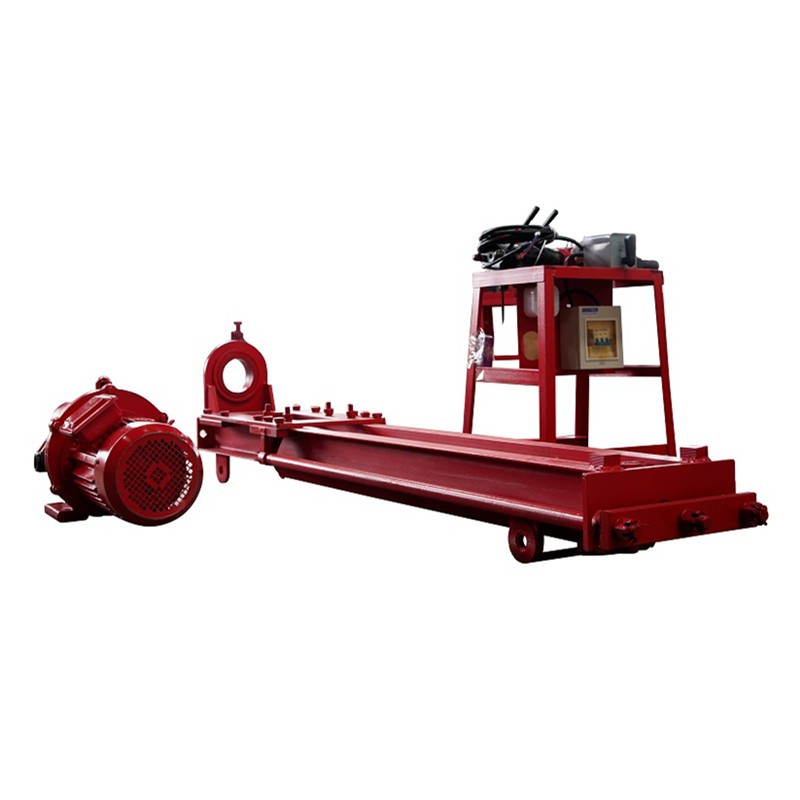
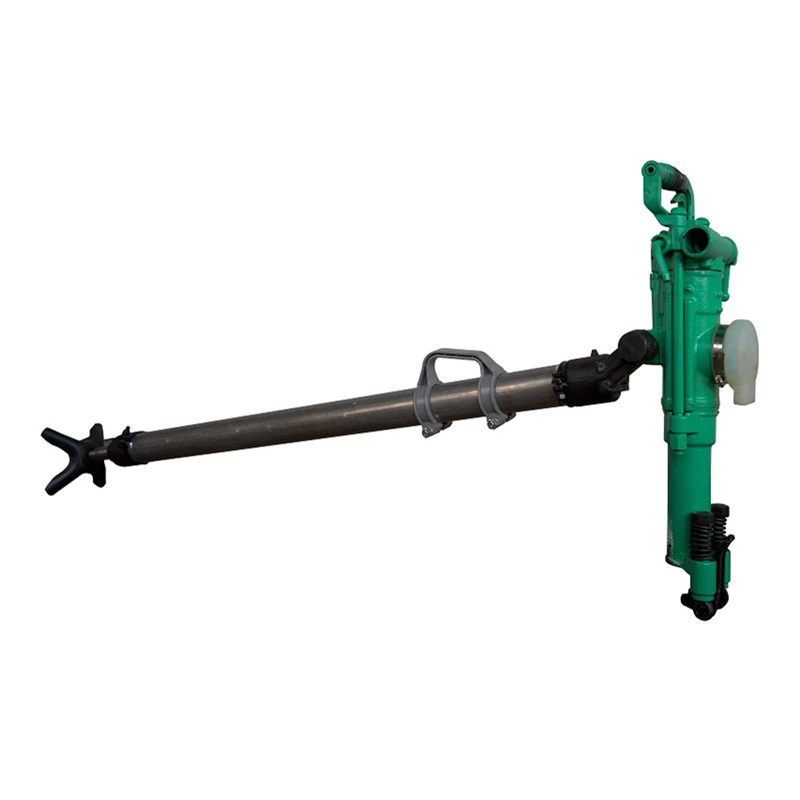
If you're in the market for a high - quality pneumatic drill rig, we've got you covered. We offer a range of products, including the YT28 Rock Drill and the Compact Rock Drilling Hydraulic Machine. You can explore our full selection of Pneumatic Drill Rigs on our website.
If you have any questions or are interested in purchasing a pneumatic drill rig, don't hesitate to reach out. We're here to help you find the right rig for your needs and ensure you get the best performance out of it.
References
- Manufacturer's manual for the pneumatic drill rig
- Industry standards for pneumatic drill rig testing