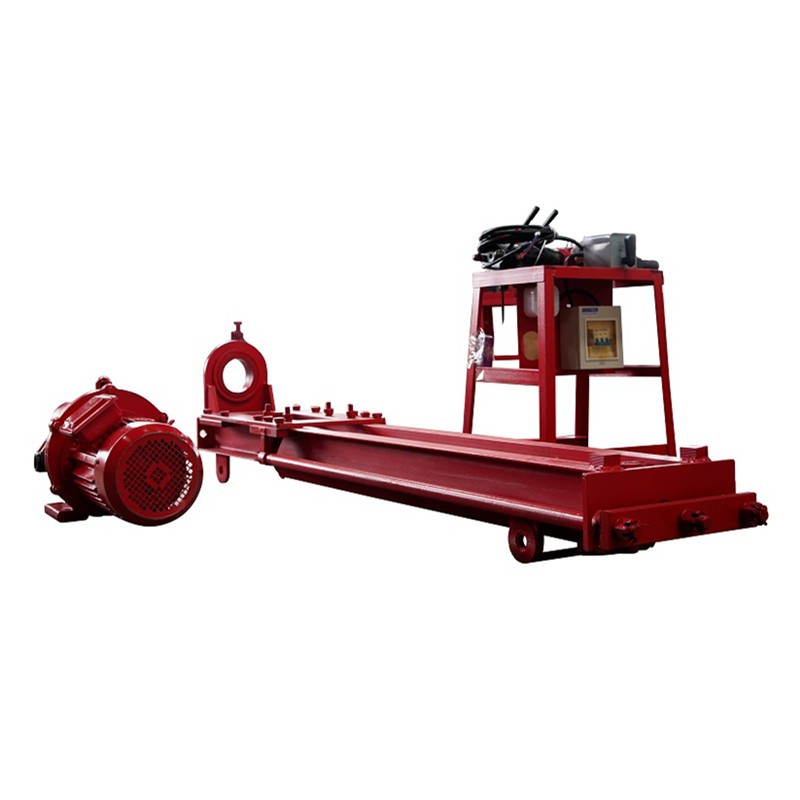
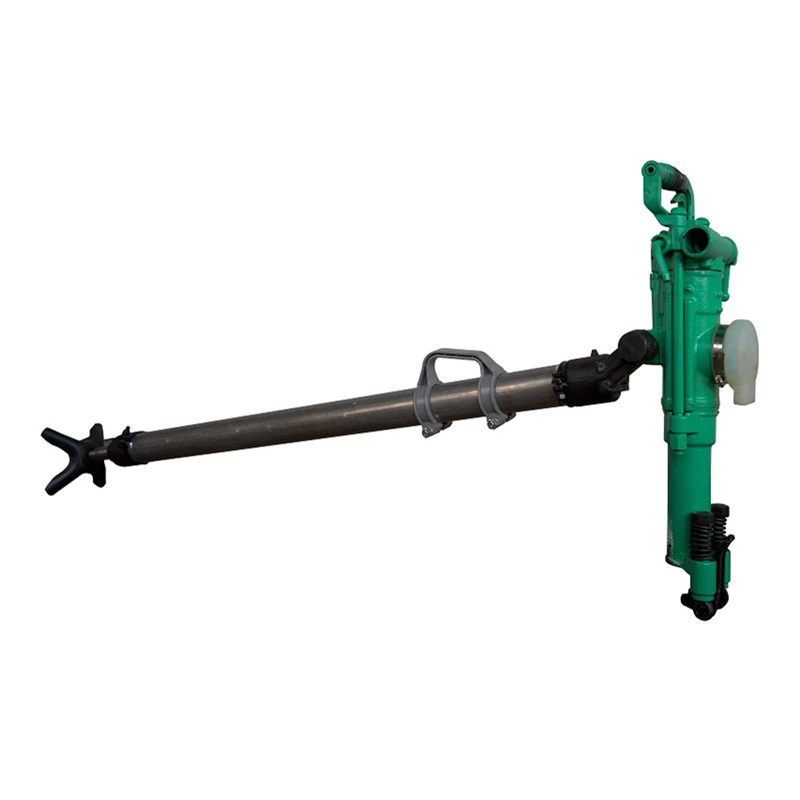
Hey there! As a supplier of DTH Hammer Drill Bits, I've seen firsthand how crucial it is to select the right air compressor for these bits. It can make or break your drilling operations, affecting everything from efficiency to the lifespan of your equipment. So, let's dive into how you can choose the appropriate air compressor for DTH hammer drill bits.
Understanding the Basics
First things first, let's talk about what a DTH hammer drill bit is. These bits are used in a variety of drilling applications, like mining, construction, and water well drilling. They work by using compressed air to drive a piston inside the hammer, which then strikes the drill bit, breaking up the rock or soil. The air also helps to clear the cuttings from the hole, keeping the bit cool and efficient.
Now, the air compressor is the heart of this operation. It provides the compressed air that powers the DTH hammer. But not all air compressors are created equal. You need to consider a few key factors before making a decision.
Factors to Consider
1. Air Pressure
The air pressure required for DTH hammer drill bits can vary depending on the size and type of the bit, as well as the drilling conditions. Generally, you'll need an air compressor that can deliver a minimum pressure of around 100 - 150 psi (pounds per square inch). However, for larger bits or more challenging drilling, you might need pressures up to 300 psi or more.
It's important to note that using too low of a pressure can result in poor drilling performance. The hammer won't strike with enough force, and the cuttings won't be cleared effectively. On the other hand, using too high of a pressure can cause excessive wear on the bit and the hammer, leading to premature failure.

2. Air Flow (CFM)
Air flow, measured in cubic feet per minute (CFM), is another critical factor. The CFM rating of your air compressor determines how much air it can deliver at a given pressure. The higher the CFM, the more air is available to power the DTH hammer and clear the cuttings.
The CFM requirement for DTH hammer drill bits depends on the bit diameter. As a general rule of thumb, you'll need about 10 - 15 CFM per inch of bit diameter. For example, a 3 - inch bit might require 30 - 45 CFM. But again, this can vary based on the specific hammer design and the drilling conditions.
3. Duty Cycle
The duty cycle of an air compressor refers to the amount of time it can run continuously before it needs to rest. In a DTH drilling operation, you'll likely need an air compressor with a high duty cycle, especially if you're drilling for extended periods. A compressor with a 100% duty cycle can run continuously without overheating or experiencing other issues.
4. Portability
If you're working on multiple job sites or in remote locations, portability is a key consideration. You'll want an air compressor that's easy to transport and set up. There are portable air compressors available in various sizes and configurations, from small, tow - behind units to larger truck - mounted compressors.
5. Power Source
Air compressors can be powered by different sources, such as electricity, diesel, or gasoline. Each has its own advantages and disadvantages. Electric compressors are generally quieter and more environmentally friendly, but they require a reliable power source. Diesel and gasoline compressors are more portable and can be used in remote locations, but they produce emissions and require regular fueling.
Matching the Compressor to the Bit
Now that you understand the key factors, let's talk about how to match the air compressor to your DTH hammer drill bit.
Start by looking at the manufacturer's specifications for your bit. They should provide information on the recommended air pressure and CFM. Use this as a starting point, but also consider the actual drilling conditions. If you're drilling in hard rock, for example, you might need to increase the air pressure and CFM slightly to ensure efficient drilling.
Let's say you have a 4 - inch DTH hammer drill bit. According to the general rule, you'd need around 40 - 60 CFM. And if the bit is designed to operate at 150 psi, you'll need an air compressor that can deliver at least that pressure with the required CFM.
If you're not sure which compressor is right for your bit, don't hesitate to reach out to the compressor manufacturer or your DTH hammer drill bit supplier. We can provide more specific advice based on your needs.
Low Pressure DTH Hammers
There are also Low Pressure Dth Hammers available, which are designed to operate at lower air pressures. These can be a good option if you have a limited air supply or if you're working in less demanding drilling conditions. They typically require air pressures in the range of 80 - 120 psi and can be paired with smaller, more affordable air compressors.
Maintenance and Monitoring
Once you've selected the right air compressor for your DTH hammer drill bits, it's important to maintain and monitor it properly. Regular maintenance, such as changing the oil, filters, and checking the belts, can help extend the lifespan of the compressor and ensure optimal performance.
You should also monitor the air pressure and CFM during drilling. If you notice a drop in performance, it could be a sign that the compressor is not delivering enough air. In this case, you might need to check for leaks, clean the filters, or adjust the settings.
Conclusion
Selecting the appropriate air compressor for DTH hammer drill bits is a crucial step in ensuring successful drilling operations. By considering factors like air pressure, air flow, duty cycle, portability, and power source, you can make an informed decision that meets your specific needs.
If you're in the market for DTH hammer drill bits or need more advice on air compressor selection, don't hesitate to get in touch. We're here to help you make the most of your drilling equipment.
References
- Compressor Handbook by Compressed Air and Gas Institute
- Drilling Equipment Manual by International Association of Drilling Contractors