As a rock drill supplier, I've witnessed firsthand the challenges that excessive noise and vibration pose in the mining, construction, and quarrying industries. Not only do they impact the health and safety of operators, but they can also lead to reduced equipment efficiency and increased maintenance costs. In this blog post, I'll share some effective strategies to reduce the noise and vibration of rock drills, drawing on my industry experience and the latest technological advancements.
Understanding the Sources of Noise and Vibration
Before we delve into the solutions, it's crucial to understand where the noise and vibration in rock drills originate. The primary sources include:
- Impact Mechanism: The repeated striking action of the drill bit against the rock generates significant noise and vibration. This is especially true for pneumatic and hydraulic rock drills, where the rapid compression and release of air or fluid create intense shockwaves.
- Motor and Drive System: The motor and drive system of the rock drill also contribute to noise and vibration. Electric motors, in particular, can produce high-frequency noise due to the rotation of the motor shaft and the interaction between the stator and rotor.
- Drill Bit and Rock Interaction: The contact between the drill bit and the rock surface can cause vibrations, especially if the drill bit is dull or the rock is hard and abrasive. These vibrations can be transmitted through the drill string and into the operator's hands and body.
Strategies to Reduce Noise and Vibration
1. Select the Right Rock Drill
Choosing the appropriate rock drill for the specific application is the first step in reducing noise and vibration. Consider the following factors when selecting a rock drill:
- Type of Rock Drill: Different types of rock drills, such as pneumatic, hydraulic, and electric, have varying levels of noise and vibration. For example, hydraulic rock drills generally produce less noise and vibration compared to pneumatic rock drills due to their smoother operation.
- Power and Performance: Select a rock drill with the appropriate power and performance for the job. Using an underpowered rock drill can result in excessive vibration as the drill struggles to penetrate the rock, while an overpowered rock drill can generate unnecessary noise and vibration.
- Noise and Vibration Ratings: Look for rock drills that have low noise and vibration ratings. Many manufacturers provide these ratings in their product specifications, allowing you to compare different models and choose the one that best suits your needs.
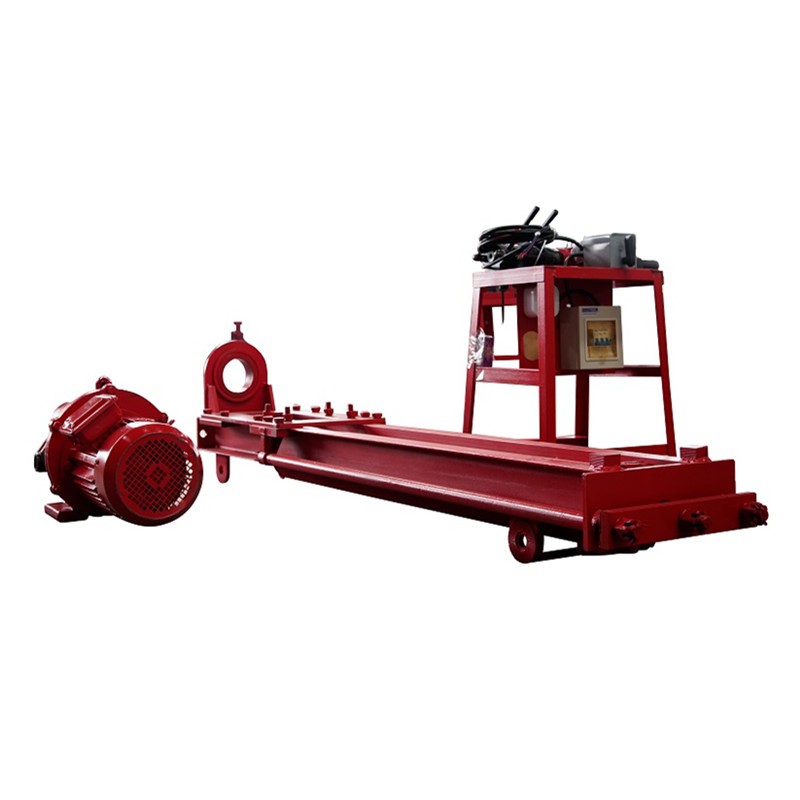
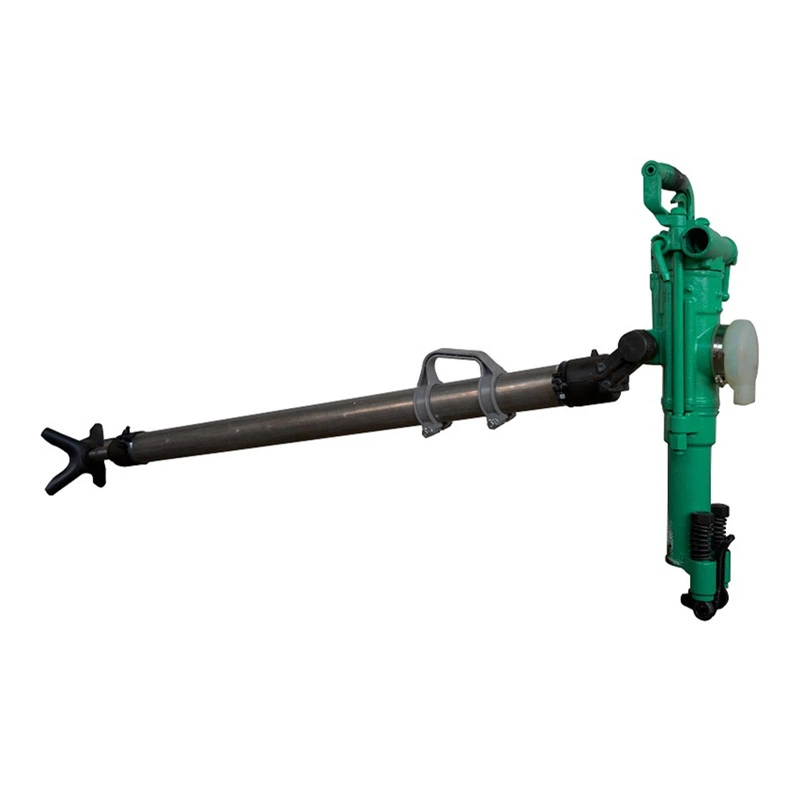
Some of the rock drills we offer at our company include the Compact Rock Drilling Hydraulic Machine, the YT28 Rock Drill, and the Pneumatic Drill Rig. These drills are designed with advanced technology to minimize noise and vibration while delivering high performance.
2. Maintain the Rock Drill Regularly
Proper maintenance is essential for reducing noise and vibration in rock drills. Regular maintenance can help identify and address potential issues before they become major problems. Here are some maintenance tips to keep your rock drill in good condition:
- Inspect and Replace Worn Parts: Regularly inspect the drill bit, piston, valves, and other components for wear and tear. Replace any worn or damaged parts promptly to ensure smooth operation and reduce vibration.
- Lubricate Moving Parts: Proper lubrication is crucial for reducing friction and wear in the rock drill. Follow the manufacturer's recommendations for lubrication intervals and use the recommended lubricants.
- Clean the Rock Drill: Keep the rock drill clean to prevent the buildup of dirt, dust, and debris, which can cause additional noise and vibration. Use compressed air or a brush to clean the drill regularly.
3. Use Anti-Vibration Handles and Mounts
Anti-vibration handles and mounts can significantly reduce the amount of vibration transmitted to the operator's hands and body. These devices are designed to absorb and dampen vibrations, providing a more comfortable and safer working environment. When choosing anti-vibration handles and mounts, consider the following factors:
- Vibration Reduction Performance: Look for handles and mounts that have high vibration reduction performance. The effectiveness of these devices is typically measured in terms of vibration transmissibility, which indicates the percentage of vibration that is transmitted through the handle or mount.
- Ergonomic Design: Choose handles and mounts that are ergonomically designed to fit the operator's hand and provide a comfortable grip. This can help reduce fatigue and improve productivity.
- Compatibility: Ensure that the anti-vibration handles and mounts are compatible with your rock drill. Some manufacturers offer handles and mounts that are specifically designed for their rock drills, while others offer universal models that can be used with a variety of drills.
4. Optimize the Drilling Parameters
The drilling parameters, such as the rotation speed, feed pressure, and drill bit size, can have a significant impact on the noise and vibration levels of the rock drill. By optimizing these parameters, you can reduce the amount of noise and vibration generated during the drilling process. Here are some tips for optimizing the drilling parameters:


- Rotation Speed: Adjust the rotation speed of the rock drill based on the type of rock and the drill bit size. A higher rotation speed can help improve the drilling efficiency, but it can also increase the noise and vibration levels. Find the optimal rotation speed that provides a balance between efficiency and noise reduction.
- Feed Pressure: The feed pressure determines the force applied to the drill bit as it penetrates the rock. Too much feed pressure can cause excessive vibration, while too little feed pressure can result in poor drilling performance. Adjust the feed pressure according to the manufacturer's recommendations and the characteristics of the rock.
- Drill Bit Size: Use the appropriate drill bit size for the job. A drill bit that is too small may not be able to penetrate the rock effectively, while a drill bit that is too large can cause excessive vibration. Choose a drill bit size that is compatible with the rock drill and the type of rock being drilled.
5. Implement Noise and Vibration Control Measures at the Workplace
In addition to the above strategies, you can also implement noise and vibration control measures at the workplace to further reduce the impact of noise and vibration on the operators. Here are some suggestions:
- Use Noise Barriers and Enclosures: Install noise barriers and enclosures around the rock drill to reduce the amount of noise that is transmitted to the surrounding environment. These barriers and enclosures can be made of materials such as acoustic panels or fiberglass insulation.
- Provide Personal Protective Equipment (PPE): Ensure that operators are provided with appropriate PPE, such as earplugs, earmuffs, and anti-vibration gloves. PPE can help protect the operators from the harmful effects of noise and vibration.
- Rotate Operators: Rotate operators regularly to reduce their exposure to noise and vibration. This can help prevent fatigue and reduce the risk of developing noise-induced hearing loss and other vibration-related disorders.
Conclusion
Reducing the noise and vibration of rock drills is essential for the health and safety of operators, as well as for the efficiency and longevity of the equipment. By selecting the right rock drill, maintaining it regularly, using anti-vibration handles and mounts, optimizing the drilling parameters, and implementing noise and vibration control measures at the workplace, you can significantly reduce the noise and vibration levels of your rock drills.
If you're in the market for a rock drill or need more information on how to reduce the noise and vibration of your existing rock drills, please don't hesitate to contact us. Our team of experts is ready to assist you in finding the best solution for your needs. We look forward to the opportunity to discuss your requirements and explore potential business opportunities with you.
References
- ASSE International. (2019). Noise and Vibration Control in the Workplace. Retrieved from [ASSE International Website]
- ISO 28927-1:2009. (2009). Hand-held portable power tools - Measurement of vibrations at the handle - Part 1: General requirements. International Organization for Standardization.
- OSHA. (2023). Occupational Noise Exposure. Retrieved from [OSHA Website]