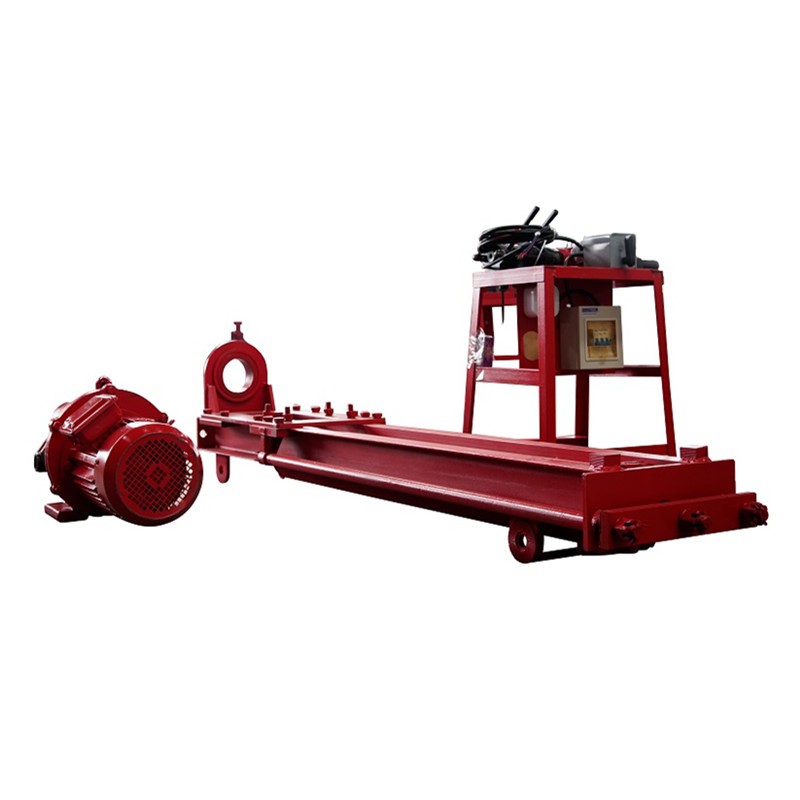
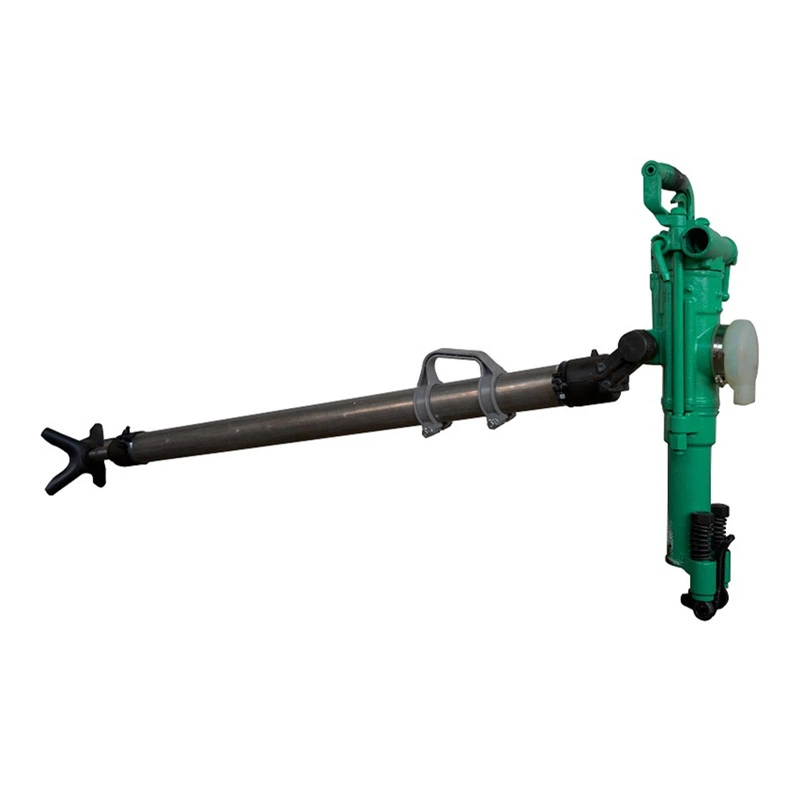
As a supplier of Pusher Leg Rock Drills, I am acutely aware of the environmental implications associated with the use of our products. In the mining and construction industries, where these drills are commonly employed, the environmental impact can be significant. This blog aims to explore various strategies that can be adopted to reduce the environmental footprint of a Pusher Leg Rock Drill.
1. Energy Efficiency
One of the primary ways to reduce the environmental impact of a Pusher Leg Rock Drill is to enhance its energy efficiency. Most Pusher Leg Rock Drills are powered by compressed air, electricity, or hydraulic systems. By optimizing the power consumption of these drills, we can not only save energy but also reduce greenhouse gas emissions.
Compressed Air Systems
For pneumatic Pusher Leg Rock Drills, the efficiency of the compressed air system is crucial. Leaks in the air hoses and connections can lead to a significant waste of energy. Regular maintenance and inspection of the air supply system can help identify and fix these leaks. Additionally, using high - quality air filters can improve the performance of the drill by ensuring clean air supply, which in turn reduces the energy required to operate the drill.
Electric Drills
Electric Pusher Leg Rock Drills can benefit from the use of energy - efficient motors. Motors with high power factor and low losses can reduce the overall electricity consumption. Moreover, implementing variable speed drives (VSDs) allows the drill to adjust its speed according to the workload, further optimizing energy use. For example, when the drill encounters softer rock, it can operate at a lower speed, consuming less energy.
Hydraulic Systems
In hydraulic Pusher Leg Rock Drills, the use of efficient pumps and valves can minimize energy losses. Proper sizing of the hydraulic components and regular maintenance of the hydraulic fluid can ensure smooth operation and reduce the power required to drive the drill.
2. Noise Reduction
Pusher Leg Rock Drills are known to generate high levels of noise during operation. This noise pollution can have a negative impact on the environment, especially in areas close to residential or wildlife habitats. Reducing the noise emissions of these drills is not only beneficial for the environment but also for the health and safety of the operators.
Design Improvements
Manufacturers can design Pusher Leg Rock Drills with noise - reducing features. For example, using vibration - damping materials in the drill body can absorb and reduce the noise generated by the internal components. Additionally, enclosing the drill in a sound - proof housing can significantly reduce the noise levels reaching the surrounding environment.

Operational Practices
Operators can also take steps to reduce noise pollution. For instance, using mufflers on the exhaust ports of pneumatic drills can reduce the noise associated with the release of compressed air. Scheduling drilling operations during less sensitive hours, such as avoiding early mornings and late evenings in residential areas, can also help minimize the impact of noise on the community.
3. Dust Control
Drilling operations with Pusher Leg Rock Drills generate a large amount of dust. This dust can contain harmful particles such as silica, which can pose a serious health risk to the operators and also have a negative impact on the environment. Controlling dust emissions is essential for reducing the environmental impact of these drills.
Water Spraying Systems
One of the most common methods of dust control is the use of water spraying systems. By spraying water at the drilling site, the dust particles are wetted and settled, preventing them from becoming airborne. Water can be supplied through nozzles attached to the drill or through separate spraying equipment. The amount of water used should be carefully regulated to avoid over - wetting the site, which can lead to other environmental problems such as soil erosion.
Dust Collectors
Installing dust collectors on the drill can also be an effective way to control dust emissions. These collectors capture the dust particles generated during drilling and prevent them from being released into the environment. There are different types of dust collectors available, such as cyclone collectors and bag filters, each with its own advantages and limitations.
4. Material Selection and Recycling
The materials used in the manufacturing of Pusher Leg Rock Drills can have an impact on the environment. By choosing sustainable materials and implementing recycling programs, we can reduce the environmental footprint of these drills.
Sustainable Materials
Manufacturers can opt for materials that are sourced responsibly and have a lower environmental impact. For example, using recycled metals in the drill body can reduce the demand for virgin materials and the associated energy consumption and environmental damage from mining. Additionally, biodegradable lubricants can be used in the drill's moving parts, which are less harmful to the environment in case of leakage.
Recycling Programs
As a supplier, we can encourage our customers to participate in recycling programs for old or damaged Pusher Leg Rock Drills. By recycling the components of these drills, we can recover valuable materials and reduce the amount of waste sent to landfills. This not only conserves resources but also reduces the environmental impact of the manufacturing process.
5. Training and Education
Proper training and education of the operators are essential for reducing the environmental impact of Pusher Leg Rock Drills. Operators who are aware of the environmental implications of their actions are more likely to adopt sustainable practices.
Environmental Awareness Training
We can provide training programs for operators that focus on the environmental impact of Pusher Leg Rock Drills and the importance of reducing this impact. These programs can cover topics such as energy efficiency, noise reduction, dust control, and proper waste management.
Operational Training
In addition to environmental awareness training, operators should also receive comprehensive operational training. This includes training on how to operate the drill in the most energy - efficient way, how to maintain the drill properly to reduce emissions, and how to respond to environmental emergencies such as oil spills or dust leaks.
Conclusion
Reducing the environmental impact of a Pusher Leg Rock Drill is a multi - faceted challenge that requires a combination of technological improvements, operational changes, and education. As a supplier, we have a responsibility to develop and promote products that are more environmentally friendly. By implementing the strategies outlined in this blog, we can not only reduce the environmental footprint of our Pusher Leg Rock Drills but also contribute to a more sustainable future for the mining and construction industries.
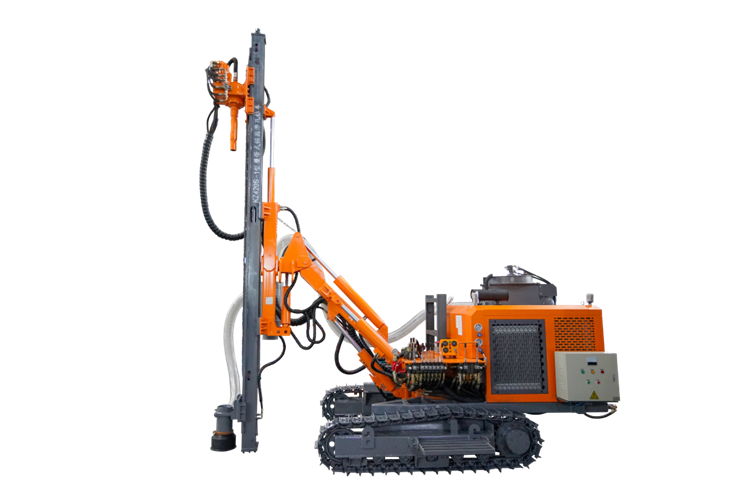
If you are interested in learning more about our Pusher Leg Rock Drill or exploring other drilling solutions such as Dth Pneumatic Rock Drill and YT28 Rock Drill, we welcome you to contact us for further discussion and potential procurement. Let's work together to achieve a more sustainable and efficient drilling operation.
References
- "Handbook of Mining Engineering" by Hartman, H. L.
- "Environmental Impact Assessment in the Mining Industry" by Singh, M. K.
- Industry reports on energy - efficient and environmentally friendly drilling equipment.