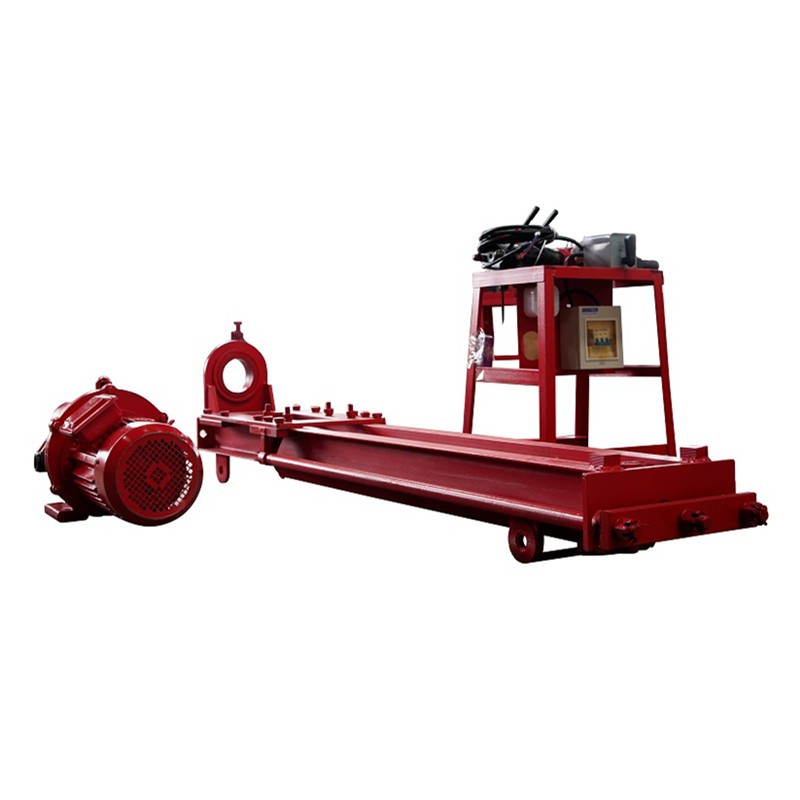
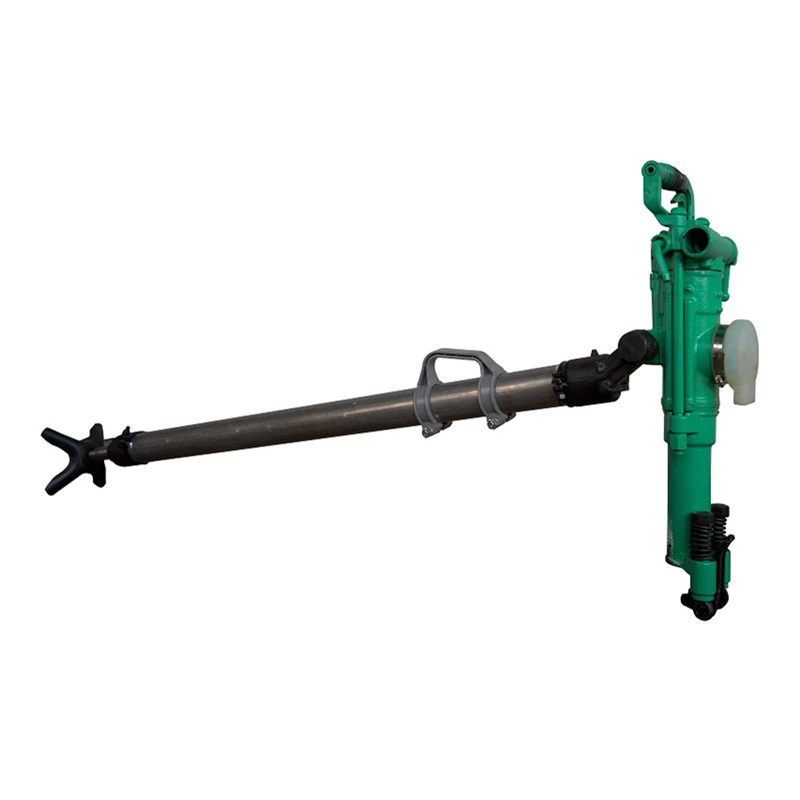
Planning the replacement cycle of major components of a Dth (Down-the-Hole) Rock Drilling Rig is a critical aspect of ensuring the rig's optimal performance, safety, and cost - effectiveness. As a Dth Rock Drilling Rig supplier, I understand the significance of this process and am here to share some insights on how to approach it.
Understanding the Major Components
Before planning the replacement cycle, it's essential to have a clear understanding of the major components of a Dth Rock Drilling Rig. These typically include the drill bit, hammer, drill pipe, compressor, and control system. Each component plays a vital role in the drilling operation, and their performance degradation over time can lead to reduced efficiency, increased downtime, and potential safety hazards.
The drill bit is the cutting tool that penetrates the rock. It is subject to high levels of wear and tear due to the abrasive nature of the rock. The hammer is responsible for delivering the impact energy to the drill bit, and its internal components can wear out, affecting the drilling force. Drill pipes transfer the rotational and axial forces from the rig to the drill bit and are also prone to damage from bending, corrosion, and fatigue. The compressor provides the necessary air pressure for the Dth hammer to operate, and its performance can decline over time due to factors such as component wear and reduced air - flow efficiency. The control system manages the various functions of the rig, and any malfunction can disrupt the drilling process.
Factors Affecting the Replacement Cycle
Several factors influence the replacement cycle of major components of a Dth Rock Drilling Rig.
1. Operating Conditions
The type of rock being drilled is a significant factor. Harder rocks, such as granite and basalt, cause more wear on the drill bit and hammer compared to softer rocks like limestone. High - temperature environments can also affect the performance of components, especially the compressor, as it may require more energy to maintain the required air pressure. Additionally, dusty or wet conditions can lead to accelerated wear and corrosion of components.
2. Usage Frequency
The more frequently the rig is used, the faster the components will wear out. Continuous operation without proper maintenance intervals can significantly reduce the lifespan of major components. For example, a rig that operates 24/7 will likely need more frequent component replacements compared to one that is used only a few hours a day.


3. Maintenance Practices
Regular and proper maintenance can extend the replacement cycle of components. This includes tasks such as lubrication, cleaning, inspection, and calibration. For instance, keeping the drill pipes clean and properly lubricated can prevent corrosion and reduce friction, which in turn prolongs their lifespan. On the other hand, neglecting maintenance can lead to premature component failure.
4. Component Quality
The quality of the components themselves plays a crucial role. High - quality components are generally more durable and can withstand more wear and tear compared to lower - quality ones. When sourcing components, it's important to choose reliable suppliers who offer products that meet industry standards.
Establishing a Replacement Schedule
To plan the replacement cycle effectively, it's advisable to establish a detailed replacement schedule.
1. Manufacturer Recommendations
Start by referring to the manufacturer's guidelines for each component. Manufacturers typically provide recommended replacement intervals based on normal operating conditions. These recommendations are a good starting point, but they may need to be adjusted based on the specific factors mentioned above.
2. Monitoring and Inspection
Implement a regular monitoring and inspection program. This can involve visual inspections, non - destructive testing, and performance monitoring. For example, regularly measuring the wear of the drill bit and checking the performance of the compressor can help determine when a replacement is necessary. Keep detailed records of these inspections, including the date, component condition, and any actions taken.
3. Predictive Maintenance
Utilize predictive maintenance techniques, such as vibration analysis and oil analysis. Vibration analysis can detect early signs of component malfunction in the hammer or compressor by analyzing the vibration patterns. Oil analysis can provide information about the condition of the lubricating oil and the wear particles present, which can indicate the health of internal components.
4. Adjusting the Schedule
Based on the monitoring results and operating conditions, adjust the replacement schedule as needed. If a component shows signs of premature wear, it may be necessary to replace it earlier than the recommended interval. Conversely, if the rig is operating under less - demanding conditions and the components are in good condition, the replacement interval can be extended.
Case Studies
Let's look at some real - world examples to illustrate the importance of planning the replacement cycle.
Case 1: A Mining Company
A mining company was using a Dth Rock Drilling Rig to drill in a hard - rock mine. Initially, they followed the manufacturer's recommended replacement schedule for the drill bit, which was every 100 hours of operation. However, they noticed that the drill bit was wearing out much faster, resulting in frequent downtime for replacement. After conducting a detailed analysis, they found that the high - hardness of the rock was causing excessive wear. They adjusted the replacement schedule to every 50 hours, which reduced the downtime and increased the overall drilling efficiency.
Case 2: A Construction Company
A construction company was using a Dth Rock Drilling Rig for foundation drilling. They had a strict maintenance program in place, including regular lubrication and inspection of the drill pipes. As a result, they were able to extend the replacement cycle of the drill pipes from the recommended 500 hours to 700 hours. This not only saved on component costs but also reduced the frequency of component replacements, minimizing disruption to the construction project.
Benefits of Properly Planning the Replacement Cycle
Properly planning the replacement cycle of major components of a Dth Rock Drilling Rig offers several benefits.
1. Cost Savings
By replacing components at the right time, you can avoid unnecessary replacements, which can be costly. At the same time, you can prevent premature component failure, which can lead to expensive repairs and downtime. For example, replacing a worn - out drill bit before it breaks can save the cost of a damaged hammer and the time required to repair it.
2. Increased Efficiency
Well - maintained components ensure that the rig operates at its optimal performance. This results in faster drilling speeds, better hole quality, and reduced energy consumption. For instance, a new drill bit can penetrate the rock more easily, reducing the time and energy required for each drilling operation.
3. Enhanced Safety
Faulty components can pose safety risks to the operators and the surrounding environment. By replacing components in a timely manner, you can minimize the chances of equipment failure during operation, which can prevent accidents and injuries.
Related Products
As a Dth Rock Drilling Rig supplier, we also offer a range of related products, including Compact Rock Drill Rigs, Pneumatic Drill Rig, and Pusher Leg Rock Drill. These products are designed to meet different drilling needs and offer high - quality performance.
Conclusion
Planning the replacement cycle of major components of a Dth Rock Drilling Rig is a complex but essential task. By understanding the major components, considering the factors that affect their lifespan, establishing a detailed replacement schedule, and learning from real - world case studies, you can ensure the optimal performance, cost - effectiveness, and safety of your rig.
If you are interested in our Dth Rock Drilling Rigs or related products, or if you have any questions about component replacement cycles, we invite you to contact us for a procurement discussion. Our team of experts is ready to assist you in finding the best solutions for your drilling needs.
References
- Drilling Equipment Handbook, [Publisher Name], [Year of Publication]
- Journal of Rock Mechanics and Drilling Technology, various issues
- Manufacturer's manuals for Dth Rock Drilling Rigs