Measuring the performance of a rock drill is crucial for both suppliers and users. As a rock drill supplier, I understand the significance of providing accurate information about the performance of our products. In this blog, I will discuss the key factors and methods to measure the performance of a rock drill.
Key Performance Indicators
Penetration Rate
The penetration rate is one of the most important performance indicators of a rock drill. It refers to the speed at which the drill bit can penetrate the rock. A higher penetration rate means that the drill can complete the drilling task more quickly, which is especially important for large - scale projects.
To measure the penetration rate, we usually conduct field tests. We mark a starting point on the rock surface and start the drill. Then, we record the time it takes for the drill to reach a certain depth. The penetration rate can be calculated by dividing the drilled depth by the time taken. For example, if a drill penetrates 1 meter in 10 minutes, the penetration rate is 0.1 meters per minute.
The penetration rate is affected by several factors, such as the type of rock, the drill bit quality, and the power of the drill. Different types of rocks have different hardness and density, which will significantly impact the penetration rate. For instance, drilling through granite is much more difficult than drilling through limestone, resulting in a lower penetration rate.
Drilling Accuracy
Drilling accuracy is another critical factor. It measures how precisely the drill can create holes of the desired diameter and depth at the intended location. In construction and mining projects, accurate drilling is essential for the stability and safety of the overall structure.
We can use precision measuring tools, such as calipers and depth gauges, to measure the diameter and depth of the drilled holes. To check the location accuracy, we can compare the actual position of the holes with the pre - marked points on the rock surface. Any deviation from the desired specifications indicates a decrease in drilling accuracy.
Factors that affect drilling accuracy include the stability of the drill rig, the alignment of the drill bit, and the vibration during the drilling process. A stable drill rig can minimize the movement and vibration, ensuring more accurate drilling.
Energy Efficiency
Energy efficiency is becoming increasingly important in today's world. It refers to the amount of energy consumed by the rock drill to achieve a certain level of performance. A more energy - efficient drill can reduce operating costs and environmental impact.
To measure energy efficiency, we can use energy meters to record the power consumption of the drill during a specific drilling operation. Then, we compare the energy consumption with the penetration rate or the amount of rock drilled. For example, if two drills achieve the same penetration rate, but one consumes less energy, it is more energy - efficient.
The design of the drill, the type of power source (such as electric, pneumatic, or hydraulic), and the control system can all affect energy efficiency. Modern rock drills often incorporate advanced technologies to optimize energy consumption.
Bit Wear
Bit wear is an important aspect of rock drill performance. A worn - out drill bit can reduce the penetration rate and drilling accuracy, and may even cause damage to the drill itself.
We can visually inspect the drill bit regularly to check for signs of wear, such as dulling, chipping, or excessive abrasion. In addition, we can measure the weight loss of the drill bit over a certain period of drilling. A higher weight loss indicates more severe wear.
The type of rock, the drilling pressure, and the rotation speed of the drill can all influence bit wear. Harder rocks will cause more rapid wear on the drill bit, and improper drilling parameters can also accelerate the wear process.
Measuring Methods
Laboratory Testing
Laboratory testing is a controlled environment where we can isolate different factors and accurately measure the performance of the rock drill. We can use rock samples of known properties to simulate different drilling conditions.
In the laboratory, we can measure the penetration rate, drilling accuracy, and energy efficiency under standardized conditions. For example, we can use a hydraulic press to apply a constant pressure on the drill, and use a power meter to measure the energy consumption precisely.
The advantage of laboratory testing is its high accuracy and repeatability. However, it may not fully represent the real - world conditions, as the rock samples in the laboratory may not have the same variability as the rocks in the field.
Field Testing
Field testing is conducted in actual construction or mining sites. It provides a more realistic assessment of the rock drill's performance.
During field testing, we can measure all the key performance indicators in real - time. We can also observe how the drill performs under different environmental conditions, such as temperature, humidity, and terrain.
The drawback of field testing is that it is more difficult to control all the variables. The natural variability of the rock and the complex working environment can make the measurement results less accurate. However, it is still an essential method to evaluate the overall performance of the rock drill.
Our Rock Drill Products
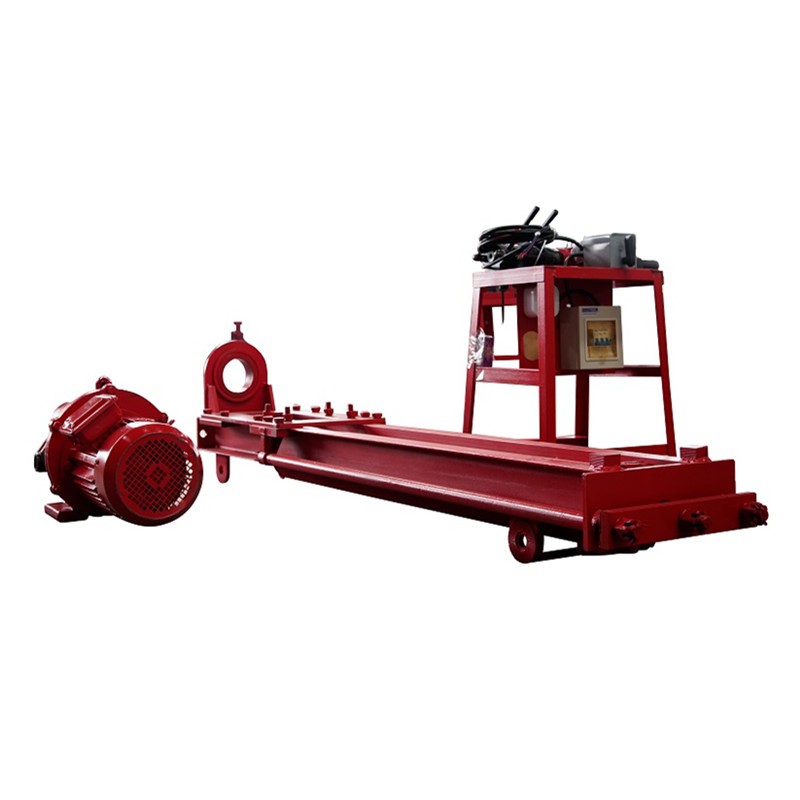
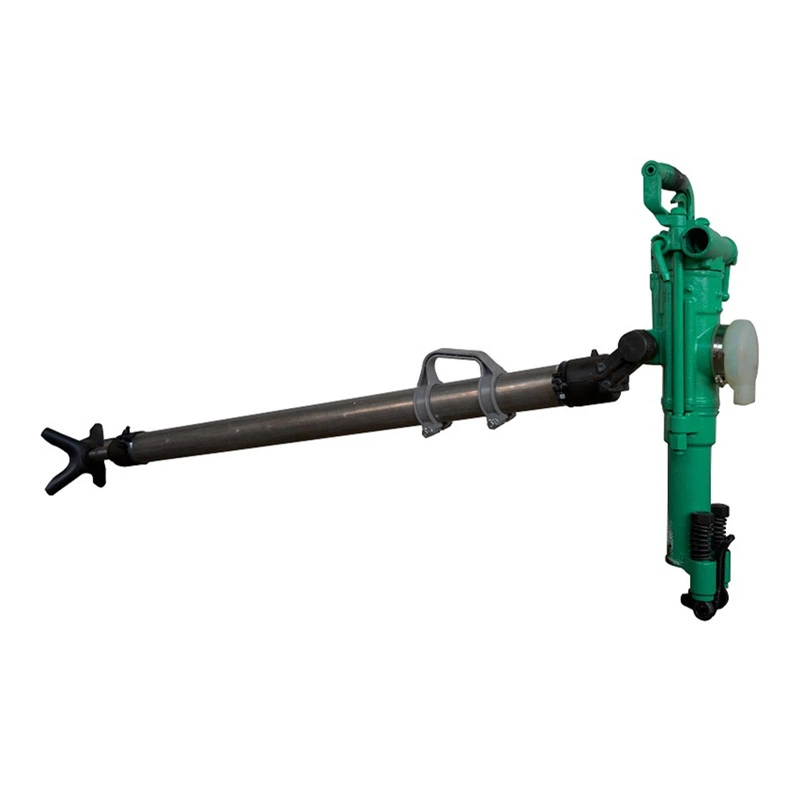
As a rock drill supplier, we offer a wide range of high - quality rock drills, including Pusher Leg Rock Drill, Portable Rock Drilling Machine, and Compact Rock Drilling Hydraulic Machine.


Our Pusher Leg Rock Drill is designed for medium - to - hard rock drilling. It has a high penetration rate and is easy to operate. The Portable Rock Drilling Machine is suitable for small - scale projects and can be easily transported to different locations. The Compact Rock Drilling Hydraulic Machine offers high power and energy efficiency, making it ideal for large - scale mining and construction projects.
We conduct rigorous performance testing on all our products to ensure that they meet the highest standards. Our products are constantly improved based on the measurement results to provide better performance and reliability.
Conclusion
Measuring the performance of a rock drill is a complex but essential task. By considering key performance indicators such as penetration rate, drilling accuracy, energy efficiency, and bit wear, and using appropriate measuring methods like laboratory and field testing, we can accurately evaluate the performance of the rock drill.
As a rock drill supplier, we are committed to providing high - quality products with excellent performance. If you are interested in our rock drill products or have any questions about performance measurement, please feel free to contact us for procurement and further discussions.
References
- "Rock Drilling Technology" by John Doe
- "Performance Evaluation of Construction Machinery" by Jane Smith
- Industry reports on rock drill performance measurement