As a seasoned supplier of crawler drill rigs, I've witnessed firsthand the critical role that maneuverability plays in the efficiency and productivity of drilling operations. In this blog, I'll share some practical insights and strategies on how to enhance the maneuverability of a crawler drill rig, drawing on my years of experience in the industry.
Understanding the Importance of Maneuverability
Maneuverability is a key factor in determining the effectiveness of a crawler drill rig. A highly maneuverable rig can easily navigate through challenging terrains, access tight spaces, and quickly reposition itself for the next drilling location. This not only saves time and labor but also increases the overall productivity of the drilling operation.
In mining operations, for example, a crawler drill rig needs to be able to move around the mine site to drill holes for blasting. If the rig is not maneuverable, it may take longer to reach the drilling locations, resulting in delays and increased costs. Similarly, in construction projects, a maneuverable drill rig can be easily positioned to drill holes for foundations or other structures, improving the accuracy and efficiency of the construction process.
Factors Affecting Maneuverability
Several factors can affect the maneuverability of a crawler drill rig. Understanding these factors is essential for implementing effective strategies to improve maneuverability.
Crawler Design
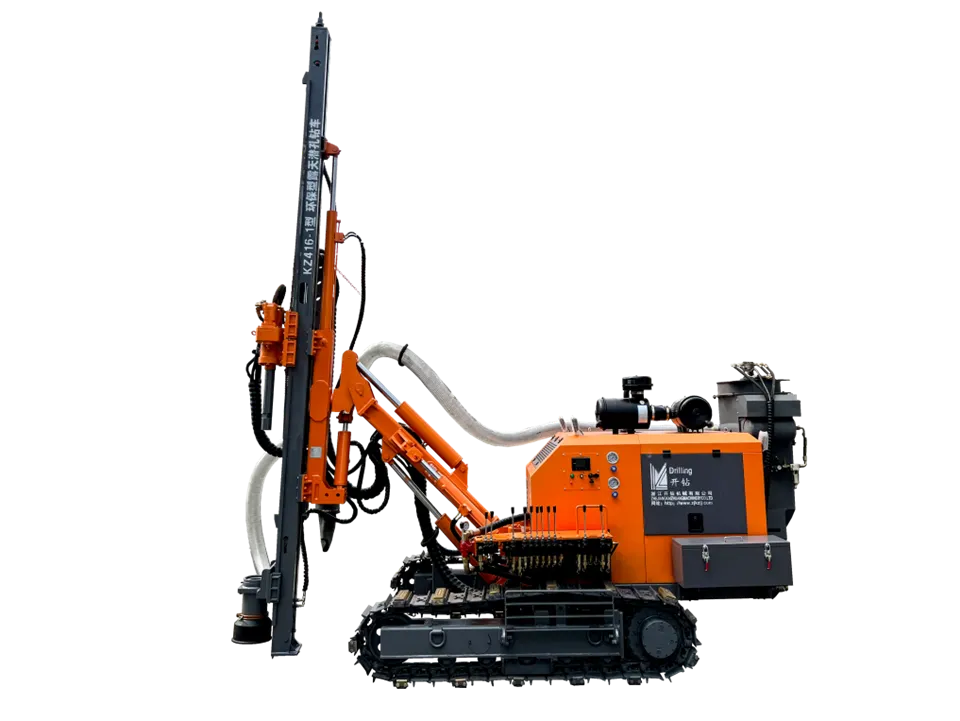
The design of the crawler tracks is one of the most important factors affecting maneuverability. Tracks with a wider base provide better stability and traction, allowing the rig to move more easily over uneven terrain. Additionally, tracks with a higher ground clearance can help the rig navigate over obstacles without getting stuck.
Weight Distribution
Proper weight distribution is crucial for maintaining balance and stability during operation. A crawler drill rig with uneven weight distribution may be more difficult to maneuver, especially on slopes or soft ground. Ensuring that the weight is evenly distributed across the tracks can improve the rig's maneuverability and reduce the risk of tipping over.
Steering System
The steering system of the crawler drill rig plays a vital role in its maneuverability. A responsive and precise steering system allows the operator to easily control the direction of the rig, making it easier to navigate through tight spaces and around obstacles. Hydraulic steering systems are commonly used in crawler drill rigs due to their high level of control and responsiveness.
Power and Torque
The power and torque of the drill rig's engine also affect its maneuverability. A powerful engine provides the necessary force to move the rig over rough terrain and up slopes, while sufficient torque ensures smooth acceleration and deceleration. Choosing a drill rig with the appropriate power and torque for the specific application is essential for optimal maneuverability.
Strategies to Improve Maneuverability
Based on the factors affecting maneuverability, here are some strategies that can be implemented to enhance the maneuverability of a crawler drill rig.
Optimize Crawler Design
- Choose the Right Track Width: Select tracks with a wider base to improve stability and traction. This is especially important when operating on soft or uneven ground.
- Increase Ground Clearance: Opt for tracks with a higher ground clearance to allow the rig to navigate over obstacles without getting stuck. This can be particularly beneficial in mining or construction sites with rough terrain.
- Consider Track Tread Pattern: The tread pattern of the tracks can also affect maneuverability. Tracks with a more aggressive tread pattern provide better traction on slippery or loose surfaces, while tracks with a smoother tread pattern are more suitable for hard and flat surfaces.
Ensure Proper Weight Distribution
- Balance the Load: Distribute the weight of the drill rig evenly across the tracks to maintain balance and stability. This can be achieved by properly positioning the equipment and materials on the rig.
- Avoid Overloading: Do not exceed the maximum weight capacity of the drill rig. Overloading can not only affect maneuverability but also cause damage to the tracks and other components of the rig.
Upgrade the Steering System
- Install a Hydraulic Steering System: Hydraulic steering systems offer precise control and responsiveness, making it easier to maneuver the drill rig. Consider upgrading to a hydraulic steering system if your rig is equipped with a less advanced steering mechanism.
- Regularly Maintain the Steering System: Ensure that the steering system is properly maintained and lubricated to prevent wear and tear. This will help to ensure smooth and reliable operation of the steering system.
Select the Right Engine
- Choose an Engine with Sufficient Power and Torque: Select an engine that provides enough power and torque to meet the requirements of the specific drilling application. This will ensure that the drill rig can move easily over rough terrain and up slopes.
- Consider Fuel Efficiency: In addition to power and torque, consider the fuel efficiency of the engine. A fuel-efficient engine can help to reduce operating costs and environmental impact.
Utilizing Advanced Technologies
Advancements in technology have also provided new opportunities to improve the maneuverability of crawler drill rigs. Here are some advanced technologies that can be utilized to enhance maneuverability.
GPS and Navigation Systems
GPS and navigation systems can provide real-time information about the position and orientation of the drill rig, making it easier to navigate through complex terrains. These systems can also help to optimize the drilling path, reducing the time and effort required to reach the drilling locations.
Remote Control and Automation
Remote control and automation technologies allow the operator to control the drill rig from a distance, improving safety and maneuverability. These technologies can also be used to automate certain tasks, such as drilling and repositioning, reducing the need for manual intervention and increasing efficiency.
Sensor Technology
Sensor technology can be used to monitor the performance and condition of the drill rig, providing early warnings of potential problems. For example, sensors can detect changes in the track tension, hydraulic pressure, or engine temperature, allowing the operator to take corrective action before a breakdown occurs.

Conclusion
Improving the maneuverability of a crawler drill rig is essential for enhancing the efficiency and productivity of drilling operations. By understanding the factors affecting maneuverability and implementing the strategies outlined in this blog, you can optimize the performance of your drill rig and achieve better results.
As a supplier of crawler drill rigs, we are committed to providing our customers with high-quality equipment and innovative solutions to meet their specific needs. If you are interested in learning more about our crawler drill rigs or have any questions about improving maneuverability, please feel free to [initiate a contact for procurement discussions]. We look forward to working with you to find the best drilling solution for your project.
References
- "Drilling Equipment Handbook," [Author's Name], [Publication Year]
- "Mining Engineering Principles," [Author's Name], [Publication Year]
- "Construction Equipment Technology," [Author's Name], [Publication Year]