Ensuring the straightness of drilled holes with a rock drill is crucial in various industries, including mining, construction, and geotechnical engineering. As a rock drill supplier, I understand the significance of this aspect and have witnessed firsthand the challenges that operators face. In this blog, I will share some practical tips and techniques to help you achieve straight holes with your rock drill.
Understanding the Basics of Rock Drilling
Before delving into the methods of ensuring hole straightness, it's essential to understand the basic principles of rock drilling. A rock drill works by applying a combination of impact and rotation to break through the rock. The impact force shatters the rock, while the rotation helps to remove the debris and advance the drill bit. The quality of the hole depends on several factors, including the type of rock, the drill bit design, the drilling parameters, and the operator's skill.
Factors Affecting Hole Straightness
Several factors can affect the straightness of the drilled hole. These include:
- Rock Formation: The type and structure of the rock can significantly impact hole straightness. Hard, homogeneous rocks are generally easier to drill straight compared to soft, fractured, or layered rocks. In fractured rocks, the drill bit may deviate towards the path of least resistance, leading to a curved hole.
- Drill Bit Design: The design of the drill bit plays a crucial role in hole straightness. A well-designed drill bit with sharp cutting edges and proper flute geometry can help to maintain a straight path through the rock. Dull or worn-out drill bits are more likely to cause the hole to deviate.
- Drilling Parameters: The drilling parameters, such as the rotation speed, feed rate, and impact energy, need to be carefully adjusted to ensure straight holes. Incorrect parameters can cause the drill bit to wander or vibrate, resulting in a curved hole.
- Equipment Stability: The stability of the rock drill and the drilling rig is essential for hole straightness. A shaky or unstable rig can cause the drill bit to deviate from the intended path. It's important to ensure that the rig is properly set up and leveled before starting the drilling operation.
- Operator Skill: The skill and experience of the operator also play a significant role in hole straightness. A skilled operator can detect early signs of deviation and make the necessary adjustments to correct the drilling path.
Techniques for Ensuring Hole Straightness
Now that we understand the factors affecting hole straightness, let's explore some techniques to ensure that your drilled holes are as straight as possible.
Pre-Drilling Preparation
- Site Survey: Conduct a thorough site survey to identify any potential obstacles or variations in the rock formation. This will help you plan the drilling operation and avoid areas that may cause the drill bit to deviate.
- Mark the Drilling Location: Use a clear and accurate marking system to indicate the exact location and orientation of the hole. This will help the operator to start the drilling process in the correct position and direction.
- Level the Drilling Rig: Ensure that the drilling rig is properly leveled and stabilized before starting the drilling operation. Use a spirit level or a laser leveling device to check the horizontal and vertical alignment of the rig.
- Inspect the Drill Bit: Before inserting the drill bit into the rock, inspect it for any signs of damage or wear. Replace the drill bit if it is dull, chipped, or worn out.
Drilling Process
- Use a Guide Tube: A guide tube can be used to provide initial guidance and support to the drill bit, helping to keep it on a straight path. The guide tube should be securely attached to the drilling rig and aligned with the marked drilling location.
- Maintain a Consistent Feed Rate: A consistent feed rate is essential for hole straightness. Avoid applying too much or too little pressure on the drill bit, as this can cause it to deviate. Use a feed control system to maintain a steady and uniform feed rate throughout the drilling process.
- Monitor the Drilling Progress: Regularly monitor the drilling progress to detect any signs of deviation. Use a borehole camera or a measuring device to check the straightness of the hole at regular intervals. If you notice any deviation, make the necessary adjustments to the drilling parameters or the drill bit position.
- Adjust the Drilling Parameters: Based on the type of rock and the drilling conditions, adjust the rotation speed, feed rate, and impact energy to optimize the drilling performance and ensure hole straightness. For example, in hard rocks, a higher impact energy and a slower rotation speed may be required, while in soft rocks, a lower impact energy and a faster rotation speed may be more suitable.
Post-Drilling Inspection
- Measure the Hole Straightness: After completing the drilling operation, measure the straightness of the hole using a borehole inclinometer or a similar device. This will help you determine if the hole meets the required specifications and if any corrective actions are necessary.
- Clean the Hole: Remove any debris or cuttings from the hole to ensure that it is clean and free of obstructions. This will also help to prevent any damage to the drill bit or the drilling equipment during subsequent operations.
The Role of Quality Rock Drills
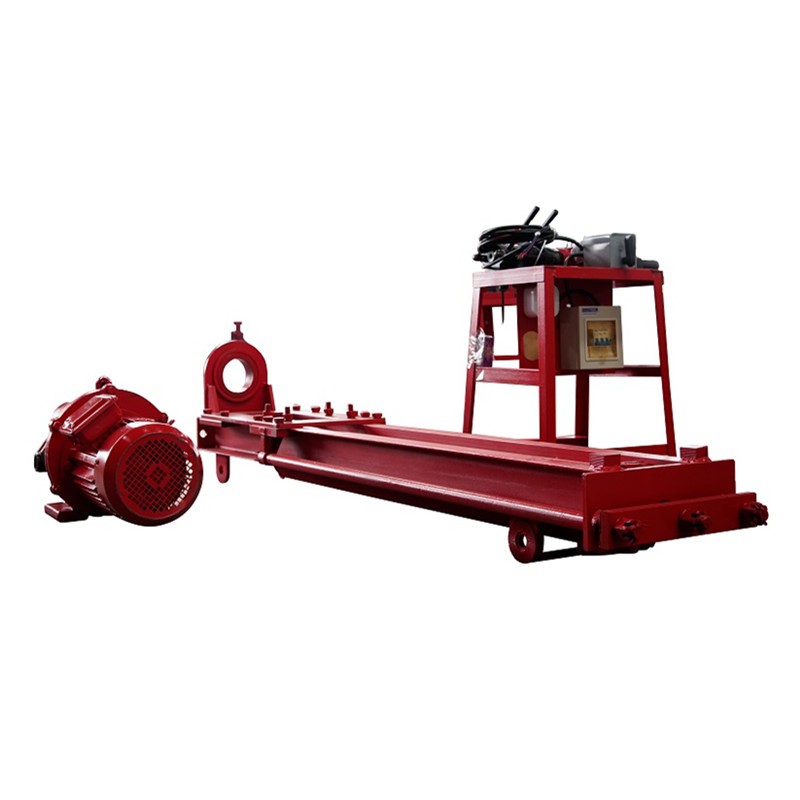
Investing in a high-quality rock drill is essential for ensuring hole straightness. At our company, we offer a wide range of rock drills that are designed to meet the diverse needs of our customers. Our Compact Rock Drilling Hydraulic Machine is a compact and powerful machine that is suitable for small to medium-sized drilling projects. It features advanced hydraulic technology and a robust design, ensuring reliable performance and excellent hole straightness.
Our Dth Rock Drilling Rig is a heavy-duty rig that is ideal for large-scale drilling operations in hard rocks. It uses a down-the-hole hammer to deliver high impact energy, resulting in faster drilling and better hole straightness.
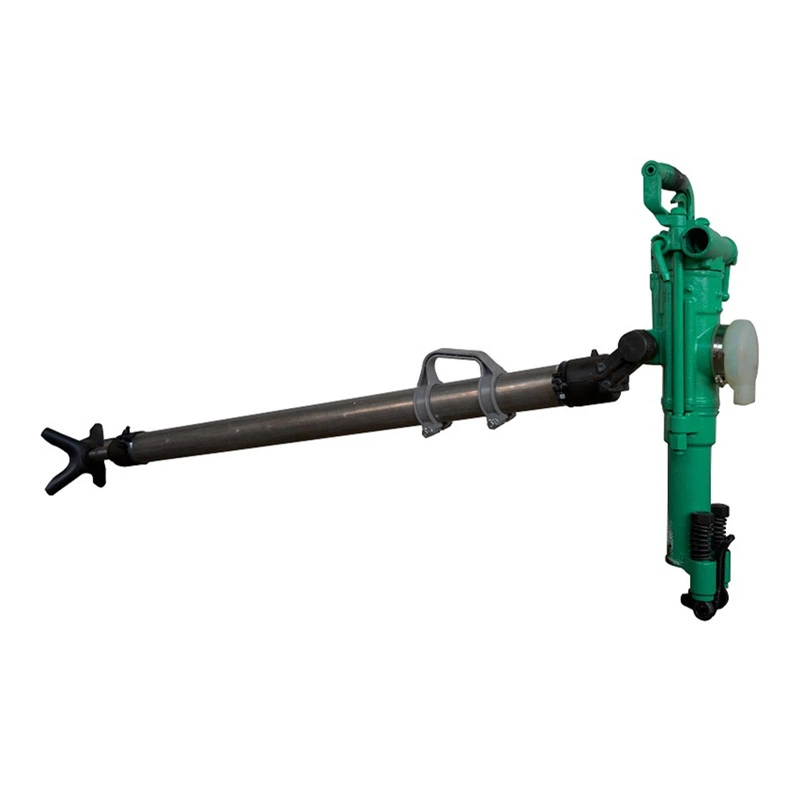
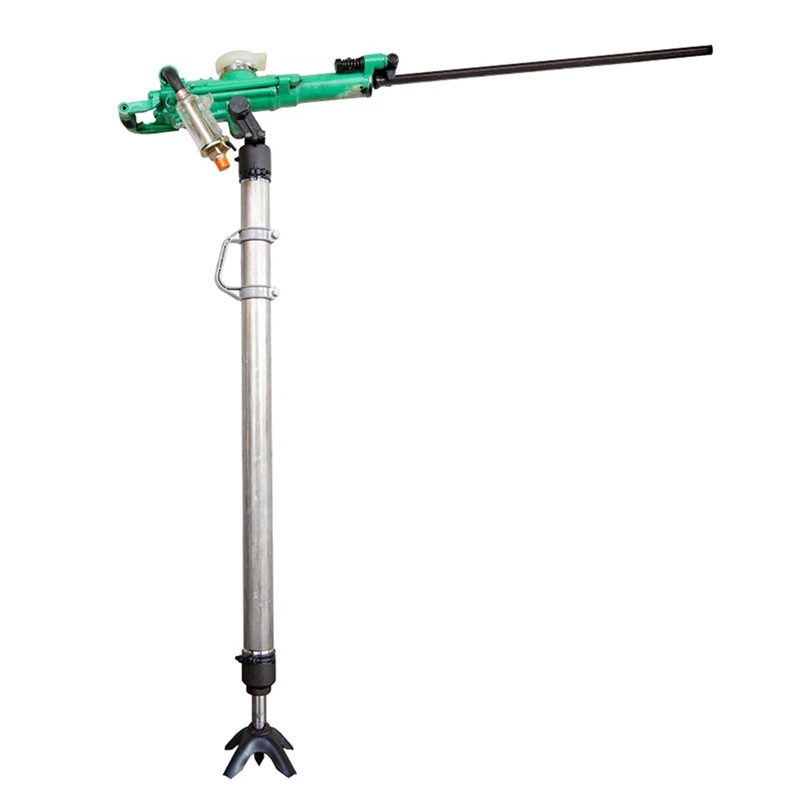
For more portable and versatile drilling applications, we offer the Hand Held Rock Drilling Machine. This machine is easy to operate and can be used in tight spaces or areas where a larger rig is not practical.
Conclusion
Ensuring the straightness of drilled holes with a rock drill requires a combination of proper equipment, careful planning, and skilled operation. By understanding the factors affecting hole straightness and implementing the techniques discussed in this blog, you can improve the quality of your drilling operations and achieve the desired results.
If you are looking for a reliable rock drill supplier, we are here to help. Our team of experts can provide you with the right advice and support to choose the best rock drill for your specific needs. Contact us today to start a conversation about your drilling requirements and explore how our products can help you achieve straight and accurate holes.

References
- Smith, J. (2018). Rock Drilling Technology: Principles and Practices. Elsevier.
- Brown, R. (2019). Drilling Engineering Handbook. Gulf Professional Publishing.
- International Society for Rock Mechanics. (2019). Suggested Methods for Rock Characterization, Testing and Monitoring. CRC Press.