Hey there! As a supplier of Underground Rock Drills, I've seen firsthand the challenges that come with dealing with the dust generated by these machines. Dust isn't just a nuisance; it can pose serious health risks to workers and also impact the environment. So, in this blog, I'm gonna share some effective ways to control the dust generated by underground rock drills.
Understanding the Problem
Before we dive into the solutions, let's understand why dust is such a big deal. When an underground rock drill breaks through the rock, it creates a cloud of dust particles. These particles can be extremely fine and can easily be inhaled by workers. Prolonged exposure to dust can lead to respiratory problems like silicosis, a serious and irreversible lung disease. Moreover, dust can also affect the visibility in the underground workspace, increasing the risk of accidents.
Water Spraying Systems
One of the most common and effective ways to control dust is by using water spraying systems. These systems work by spraying a fine mist of water into the air near the drill bit. The water droplets capture the dust particles, making them heavier and causing them to fall to the ground instead of staying airborne.
There are different types of water spraying systems available. Some are attached directly to the drill, while others are installed on the ceiling or walls of the underground tunnel. The key is to ensure that the water is sprayed in the right amount and at the right location. Too little water won't be effective in capturing the dust, and too much water can create a muddy mess in the workspace.
Ventilation Systems
Good ventilation is crucial in controlling dust in an underground environment. A well - designed ventilation system can help to remove the dust - laden air from the workspace and replace it with fresh air.
There are two main types of ventilation systems: natural and mechanical. Natural ventilation relies on the natural movement of air through the underground tunnels, which is often not sufficient to effectively control dust. That's where mechanical ventilation comes in. Mechanical ventilation systems use fans to draw out the dust - filled air and bring in clean air from outside.
When designing a ventilation system for dust control, it's important to consider the layout of the underground tunnel, the number of drills in operation, and the airflow patterns. The system should be able to cover all areas where dust is being generated and ensure that the dust is removed efficiently.
Dust Collectors
Dust collectors are another great option for controlling dust. These devices are designed to capture the dust particles directly at the source. There are several types of dust collectors, such as baghouse filters, cyclone separators, and electrostatic precipitators.
Baghouse filters work by passing the dust - laden air through a series of fabric bags. The dust particles get trapped in the bags, while the clean air passes through. Cyclone separators use centrifugal force to separate the dust from the air. The dirty air is spun at high speed, and the dust particles are forced to the outer walls of the separator and collected at the bottom. Electrostatic precipitators use an electrostatic charge to attract the dust particles to a collection plate.
Each type of dust collector has its own advantages and disadvantages. For example, baghouse filters are very effective in capturing fine dust particles but require regular maintenance to clean or replace the bags. Cyclone separators are relatively simple and low - maintenance but may not be as effective in capturing very fine dust.
Using Low - Dust - Generating Drill Bits
Another approach to dust control is to use drill bits that generate less dust. Some modern drill bits are designed with special features that reduce the amount of dust produced during the drilling process. For example, some drill bits have a more efficient cutting design that breaks the rock into larger pieces, resulting in less fine dust.
When choosing a drill bit, it's important to consider the type of rock being drilled, the drilling speed, and the overall efficiency of the drill. A good drill bit not only helps to control dust but also improves the performance of the drill.

Personal Protective Equipment (PPE)
Even with the best dust control systems in place, it's still important for workers to wear personal protective equipment. This includes dust masks, respirators, goggles, and protective clothing.
Dust masks and respirators are designed to filter out the dust particles before they are inhaled. There are different types of masks available, with varying levels of filtration efficiency. Workers should choose a mask that is appropriate for the level of dust in the workspace.
Goggles protect the eyes from dust particles, which can cause irritation and damage. Protective clothing helps to prevent the dust from settling on the workers' skin and clothing.
Regular Maintenance
Regular maintenance of the underground rock drills and the dust control systems is essential. For the drills, this includes checking the drill bits for wear and tear, lubricating the moving parts, and ensuring that the water supply to the water spraying systems is working properly.
For the dust control systems, regular maintenance involves cleaning the filters in the dust collectors, checking the fans in the ventilation systems, and inspecting the water spraying nozzles for blockages. A well - maintained system will work more efficiently and effectively in controlling dust.
Upgrading to Newer Equipment
If your current underground rock drills and dust control systems are old and outdated, it might be worth considering upgrading to newer equipment. Newer drills often come with better dust - reducing features, and modern dust control systems are more efficient and easier to maintain.
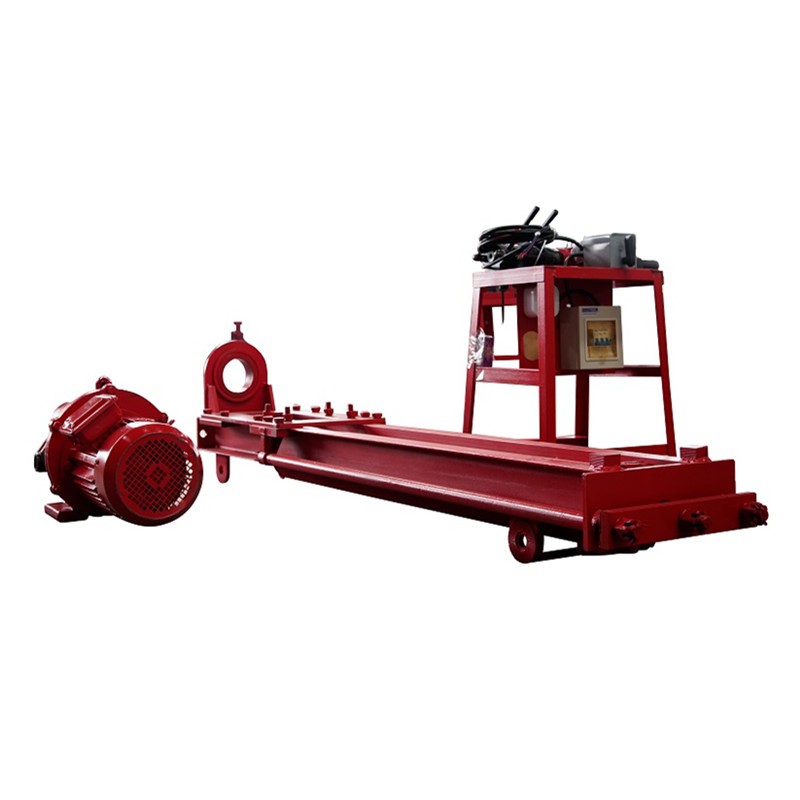
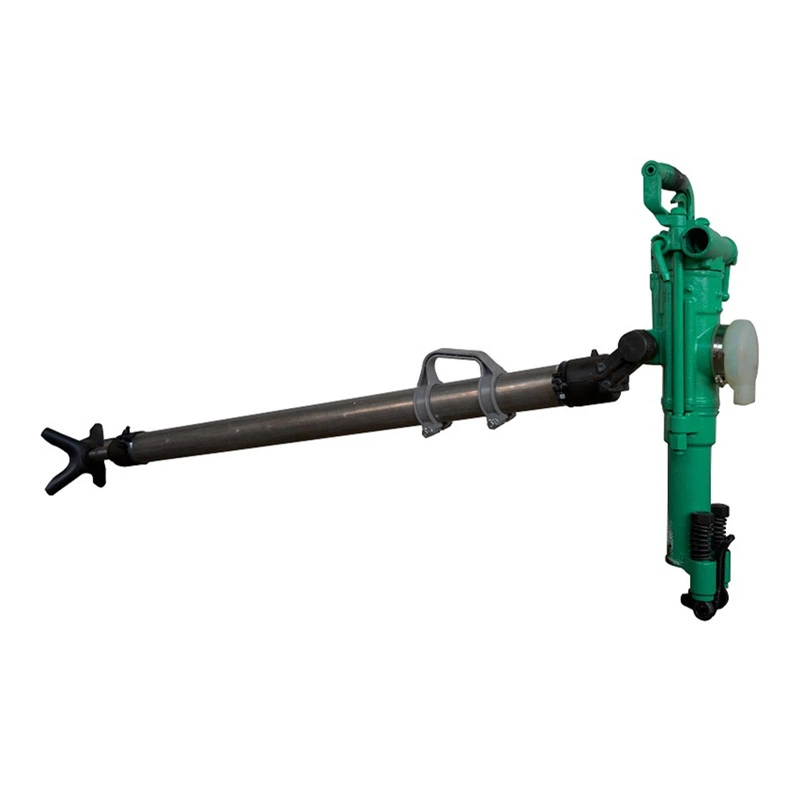
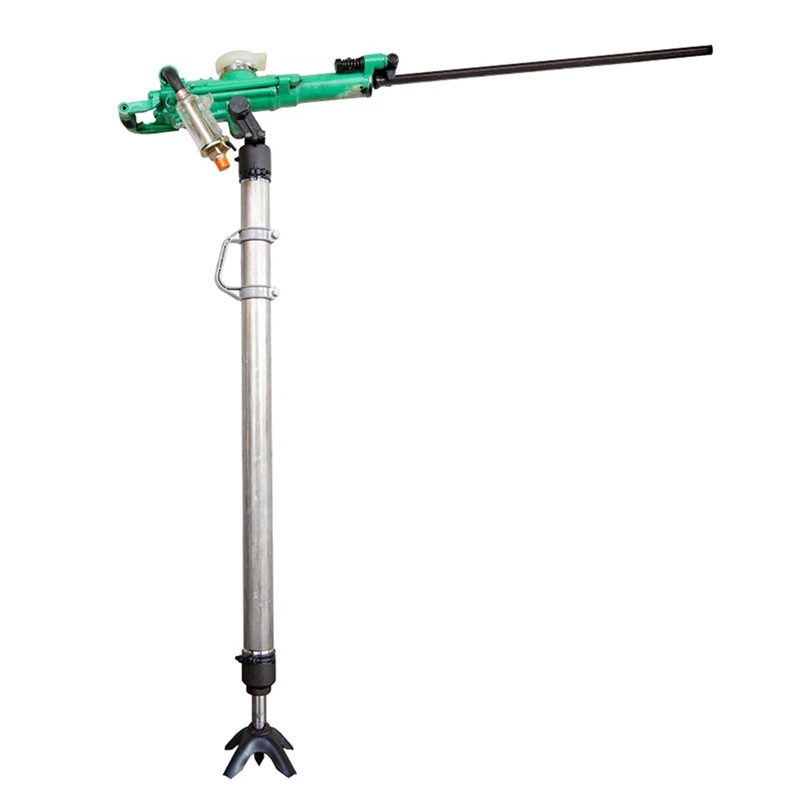
As a supplier, I can offer you a range of high - quality underground rock drills. For example, our Hand Held Rock Drilling Machine is lightweight and easy to operate, and it's designed to minimize dust generation. Our Pneumatic Drill Rig is powerful and reliable, and it can be paired with advanced dust control systems. And our Dth Rock Drilling Rig is suitable for deep - hole drilling and comes with features that help to keep the dust under control.
Conclusion
Controlling the dust generated by an underground rock drill is a multi - faceted challenge, but with the right strategies and equipment, it can be effectively managed. By using water spraying systems, ventilation systems, dust collectors, low - dust - generating drill bits, personal protective equipment, and regular maintenance, you can create a safer and healthier working environment.
If you're interested in learning more about our underground rock drills or our dust control solutions, I encourage you to get in touch with us. We can discuss your specific needs and provide you with the best products and advice to meet your requirements. Let's work together to make your underground drilling operations more efficient and dust - free!
References
- "Dust Control in Mining Operations" by Mine Safety and Health Administration
- "Respiratory Protection in the Workplace" by National Institute for Occupational Safety and Health
- "Underground Ventilation Systems: Design and Operation" by various industry experts