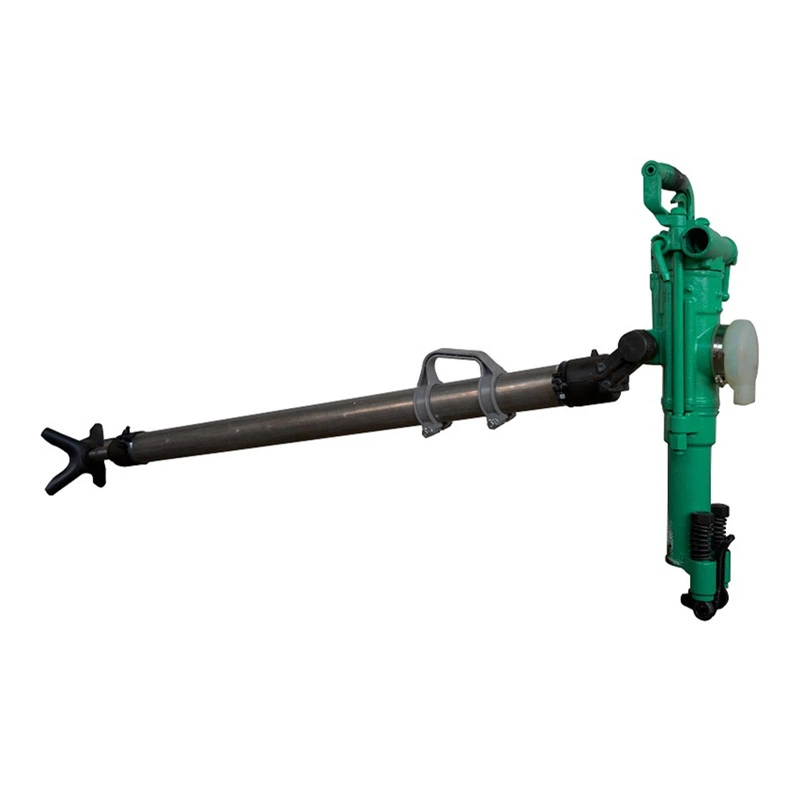
Hey there! As a supplier of Pusher Leg Rock Drills, I often get asked about how to calculate the cost - effectiveness of these bad boys. It's a crucial question, especially for those in the mining, construction, or quarrying industries. In this blog, I'll break it down for you step by step.
Understanding the Basics
First things first, what exactly is cost - effectiveness? Simply put, it's a measure of how much bang you get for your buck. In the context of a Pusher Leg Rock Drill, it means evaluating the drill's performance in relation to the money you spend on it. This includes not only the initial purchase price but also the costs associated with its operation, maintenance, and lifespan.
Initial Purchase Cost
The first component of cost - effectiveness is the initial purchase price. When you're in the market for a Pusher Leg Rock Drill, you'll find a wide range of options with different price tags. It's important to remember that the cheapest option isn't always the most cost - effective.
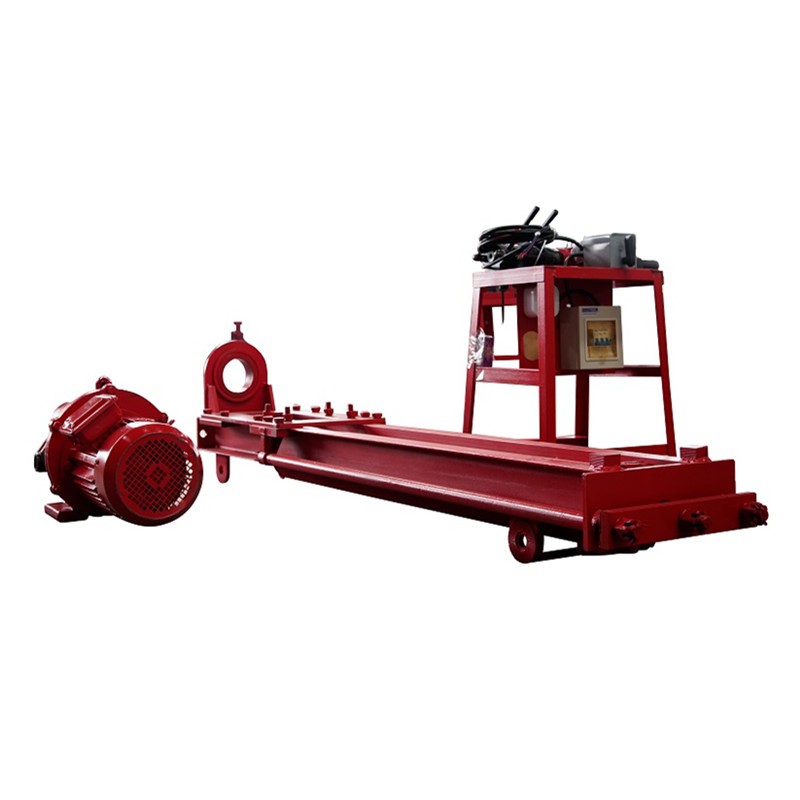
For example, a high - quality Pneumatic Drill Rig might cost more upfront, but it could offer better performance, durability, and lower maintenance costs in the long run. On the other hand, a budget - friendly drill might save you money initially but end up costing you more due to frequent breakdowns and repairs.
Operating Costs
Operating costs are another significant factor in calculating cost - effectiveness. These costs include energy consumption, the cost of drill bits, and labor.
Energy Consumption
The type of power source your Pusher Leg Rock Drill uses can have a big impact on energy costs. Pneumatic drills, for instance, rely on compressed air. The cost of running an air compressor to power the drill needs to be factored in. Electric drills, on the other hand, have their own electricity costs.
To calculate energy costs, you need to know the power consumption rate of your drill (usually measured in kilowatts or cubic feet per minute for pneumatic drills) and the cost of energy in your area. Multiply the power consumption rate by the number of hours the drill is in use and the cost per unit of energy.
Drill Bits
Drill bits are consumables, and their cost can add up over time. Different types of rock require different drill bits, and some bits are more expensive than others. The lifespan of a drill bit depends on the hardness of the rock, the drilling technique, and the quality of the bit itself.
To estimate the cost of drill bits, you need to know how often you'll need to replace them. You can calculate this by dividing the total drilling distance by the average drilling distance per bit. Then, multiply the number of bits needed by the cost of each bit.
Labor
Labor costs are also part of the equation. A more efficient drill can reduce the time it takes to complete a job, which in turn reduces labor costs. If a drill is easy to operate and requires less physical effort from the operator, it can also increase productivity and potentially lower labor costs.
Maintenance and Repair Costs
Regular maintenance is essential to keep your Pusher Leg Rock Drill in good working condition. This includes tasks like lubrication, cleaning, and inspection. The cost of maintenance includes the price of lubricants, cleaning supplies, and the labor involved.
In addition to regular maintenance, you also need to consider the cost of repairs. A drill that is prone to breakdowns will cost more in terms of repair parts and labor. When evaluating a drill's cost - effectiveness, look at its reliability and the availability of spare parts.
For example, the YT28 Rock Drill is known for its durability and relatively low maintenance requirements. This means that over its lifespan, the maintenance and repair costs are likely to be lower compared to some other models.
Lifespan
The lifespan of a Pusher Leg Rock Drill is an important factor in cost - effectiveness. A drill that lasts longer will spread its initial purchase cost over a greater number of working hours, making it more cost - effective in the long run.
The lifespan of a drill depends on several factors, including the quality of its construction, how well it's maintained, and the intensity of its use. High - quality drills made from durable materials and with good engineering are likely to have a longer lifespan.
Calculating Cost - Effectiveness
Now that we've covered all the components, let's look at how to calculate the cost - effectiveness of a Pusher Leg Rock Drill.
The formula for cost - effectiveness can be expressed as:
Cost - Effectiveness = (Total Drilling Output) / (Total Costs)
The total drilling output can be measured in terms of the total volume or distance of rock drilled. The total costs include the initial purchase cost, operating costs (energy, drill bits, labor), maintenance costs, and any repair costs over the drill's lifespan.
Let's say you're considering two different Pusher Leg Rock Drills. Drill A costs $5,000 upfront, has an annual operating cost of $2,000, a maintenance cost of $500 per year, and a lifespan of 5 years. It can drill 10,000 meters of rock in a year.


Drill B costs $4,000 upfront, has an annual operating cost of $2,500, a maintenance cost of $800 per year, and a lifespan of 4 years. It can drill 8,000 meters of rock in a year.
For Drill A:
- Total Purchase Cost = $5,000
- Total Operating Cost over 5 years = $2,000 x 5 = $10,000
- Total Maintenance Cost over 5 years = $500 x 5 = $2,500
- Total Costs = $5,000 + $10,000+ $2,500 = $17,500
- Total Drilling Output over 5 years = 10,000 x 5 = 50,000 meters
- Cost - Effectiveness = 50,000 / 17,500 ≈ 2.86 meters per dollar
For Drill B:
- Total Purchase Cost = $4,000
- Total Operating Cost over 4 years = $2,500 x 4 = $10,000
- Total Maintenance Cost over 4 years = $800 x 4 = $3,200
- Total Costs = $4,000 + $10,000 + $3,200 = $17,200
- Total Drilling Output over 4 years = 8,000 x 4 = 32,000 meters
- Cost - Effectiveness = 32,000 / 17,200 ≈ 1.86 meters per dollar
In this example, Drill A is more cost - effective, even though it has a higher initial purchase price.
Conclusion
Calculating the cost - effectiveness of a Pusher Leg Rock Drill is a complex but necessary process. By considering the initial purchase cost, operating costs, maintenance and repair costs, and the lifespan of the drill, you can make an informed decision about which drill is the best investment for your business.
If you're in the market for a Pusher Leg Rock Drill or need more information about our products, such as the Compact Rock Drilling Hydraulic Machine, feel free to reach out. We're here to help you find the most cost - effective solution for your drilling needs. Contact us to start a procurement discussion and see how we can meet your requirements.
References
- "Mining Equipment Handbook"
- Industry reports on rock drill performance and cost analysis