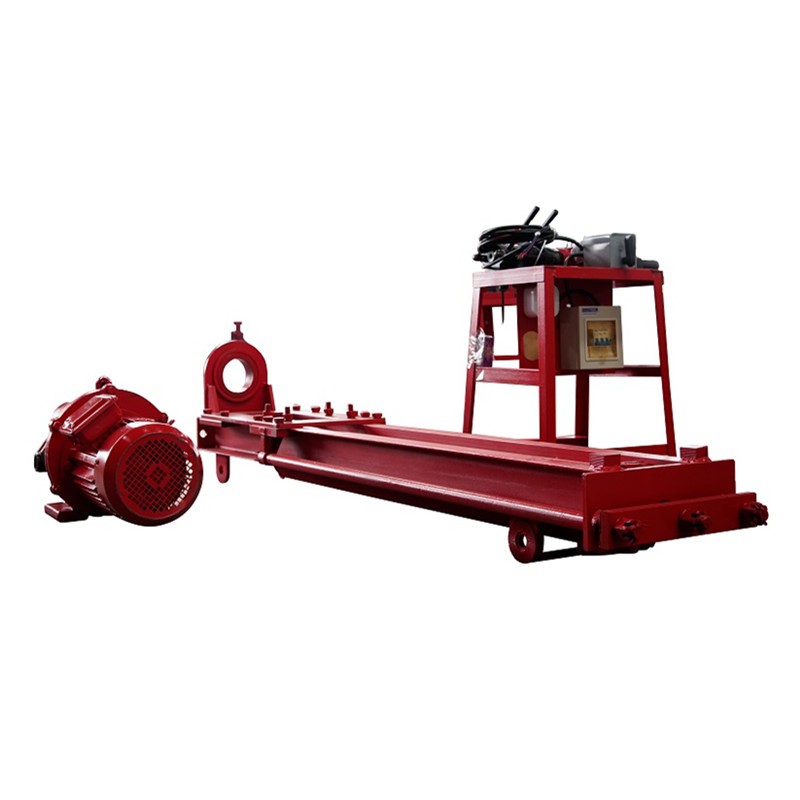
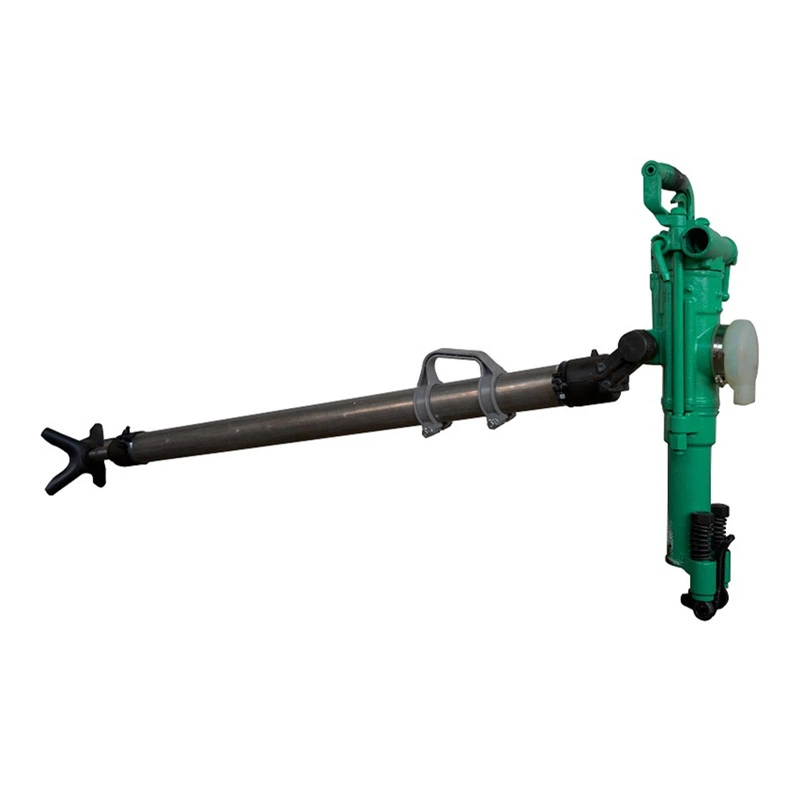
The weight of a pneumatic crawler drill is a critical factor that significantly influences its performance in various drilling operations. As a leading supplier of pneumatic crawler drills, we have witnessed firsthand how the weight of these machines can either enhance or hinder their effectiveness in different scenarios. In this blog, we will explore the multifaceted relationship between the weight of a pneumatic crawler drill and its performance, shedding light on the key considerations for operators and decision-makers in the drilling industry.
Stability and Traction
One of the primary ways in which the weight of a pneumatic crawler drill affects its performance is through stability and traction. A heavier drill generally offers better stability, especially when operating on uneven or sloped terrain. The additional weight helps to keep the drill firmly planted on the ground, reducing the risk of tipping over during drilling operations. This is particularly important when using large-diameter drill bits or when drilling at high speeds, as these conditions can generate significant forces that could potentially destabilize a lighter drill.


Moreover, the weight of the drill also contributes to its traction on the ground. The crawler tracks of a pneumatic crawler drill rely on the weight of the machine to grip the surface and move forward. A heavier drill exerts more pressure on the tracks, increasing the friction between the tracks and the ground and allowing for better traction. This is especially beneficial when working on soft or slippery surfaces, such as mud or snow, where a lighter drill may struggle to maintain its position or move forward effectively.
Drilling Force and Penetration Rate
The weight of a pneumatic crawler drill also plays a crucial role in determining its drilling force and penetration rate. The drilling force is the amount of force applied to the drill bit to break through the rock or soil. A heavier drill can generate more drilling force due to its increased mass, which allows it to overcome the resistance of the material being drilled more effectively. This results in a higher penetration rate, meaning that the drill can bore through the material more quickly and efficiently.
In addition to the direct impact on drilling force, the weight of the drill also affects the stability of the drilling process. A heavier drill is less likely to vibrate or bounce during drilling, which can lead to a more consistent and accurate drilling operation. This is particularly important when drilling deep holes or when working with hard rock formations, where even small vibrations can cause the drill bit to deviate from its intended path and reduce the quality of the hole.
Mobility and Maneuverability
While a heavier drill offers certain advantages in terms of stability and drilling performance, it also has some limitations when it comes to mobility and maneuverability. A heavier drill requires more power to move, which can result in increased fuel consumption and reduced efficiency. Additionally, a heavier drill may have a larger turning radius, making it more difficult to navigate in tight spaces or around obstacles.
However, advancements in technology have allowed manufacturers to design pneumatic crawler drills that strike a balance between weight and mobility. For example, some drills are equipped with lightweight yet strong materials, such as aluminum alloys, to reduce their overall weight without sacrificing stability or performance. Others feature advanced hydraulic systems that allow for precise control of the crawler tracks, enabling the drill to move more smoothly and efficiently in a variety of conditions.
Transport and Setup
The weight of a pneumatic crawler drill also has implications for its transport and setup. A heavier drill may require specialized equipment, such as a large truck or a crane, to transport it to the job site. This can add to the overall cost and complexity of the project, especially if the job site is located in a remote or difficult-to-reach area.
In addition to transport, the weight of the drill can also affect the time and effort required to set it up for operation. A heavier drill may need to be assembled or disassembled on-site, which can be a time-consuming and labor-intensive process. However, some drills are designed to be modular and easy to assemble, reducing the setup time and making them more suitable for projects with tight deadlines.
Considerations for Different Applications
The optimal weight of a pneumatic crawler drill depends on the specific application and the conditions in which it will be used. For example, in surface mining operations where large-scale drilling is required, a heavier drill with high drilling force and stability may be preferred. On the other hand, in construction or utility work where mobility and maneuverability are more important, a lighter drill may be more suitable.
When choosing a pneumatic crawler drill, it is important to consider the following factors:
- Drilling Depth and Diameter: The deeper and larger the holes that need to be drilled, the more drilling force and stability will be required. A heavier drill may be necessary to achieve the desired results.
- Rock or Soil Type: The hardness and density of the material being drilled will also affect the choice of drill weight. Harder rock formations may require a heavier drill with more drilling force, while softer soils may allow for the use of a lighter drill.
- Terrain and Site Conditions: The type of terrain and the conditions at the job site, such as slope, surface roughness, and access, will influence the mobility and stability requirements of the drill. A heavier drill may be more suitable for uneven or sloped terrain, while a lighter drill may be better for tight spaces or areas with limited access.
- Transport and Setup Requirements: The ease of transport and setup of the drill should also be considered, especially if the job site is located in a remote or difficult-to-reach area. A lighter drill may be more convenient to transport and set up, reducing the overall cost and time of the project.
Conclusion
In conclusion, the weight of a pneumatic crawler drill is a complex and multifaceted factor that can have a significant impact on its performance in various drilling operations. While a heavier drill generally offers better stability, drilling force, and penetration rate, it may also have some limitations in terms of mobility, maneuverability, transport, and setup. When choosing a pneumatic crawler drill, it is important to carefully consider the specific requirements of the project and the conditions in which the drill will be used to ensure that the optimal weight and configuration are selected.
As a trusted supplier of pneumatic crawler drills, we understand the importance of providing our customers with high-quality equipment that meets their specific needs. Our range of drills includes a variety of models with different weights and configurations to suit a wide range of applications. Whether you are looking for a heavy-duty drill for large-scale mining operations or a lightweight drill for construction and utility work, we have the expertise and experience to help you find the right solution.
If you are interested in learning more about our pneumatic crawler drills or would like to discuss your specific requirements, please do not hesitate to contact us. Our team of experts will be happy to provide you with detailed information and assistance to help you make an informed decision. We look forward to the opportunity to work with you and contribute to the success of your drilling projects.
References
- Smith, J. (2018). Drilling Technology Handbook. Houston, TX: Gulf Professional Publishing.
- Brown, R. (2019). Pneumatic Crawler Drills: Design and Operation. New York, NY: McGraw-Hill Education.
- Johnson, M. (2020). Rock Drilling and Blasting. Boca Raton, FL: CRC Press.