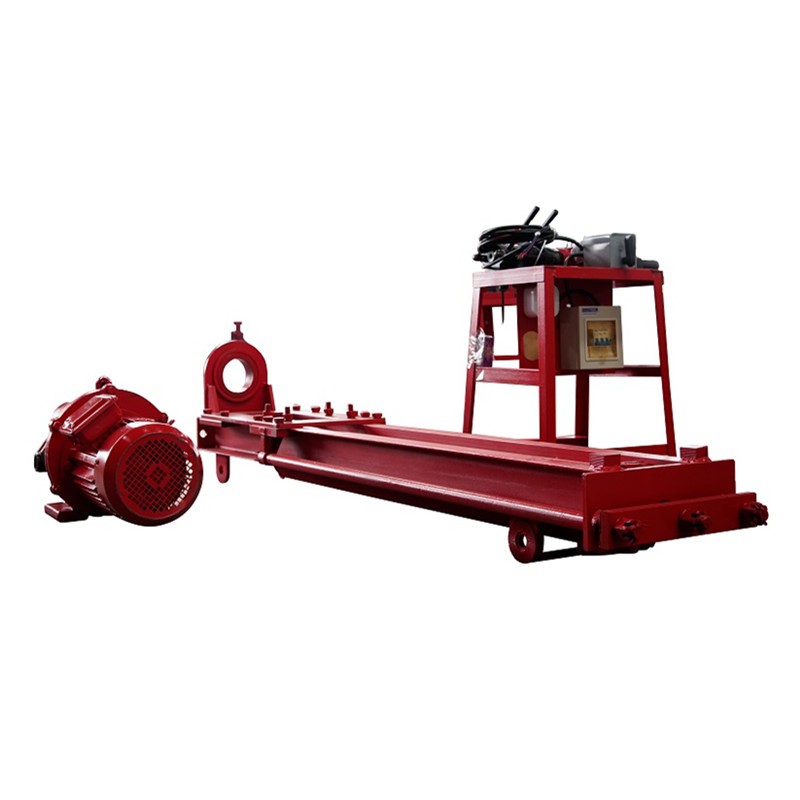
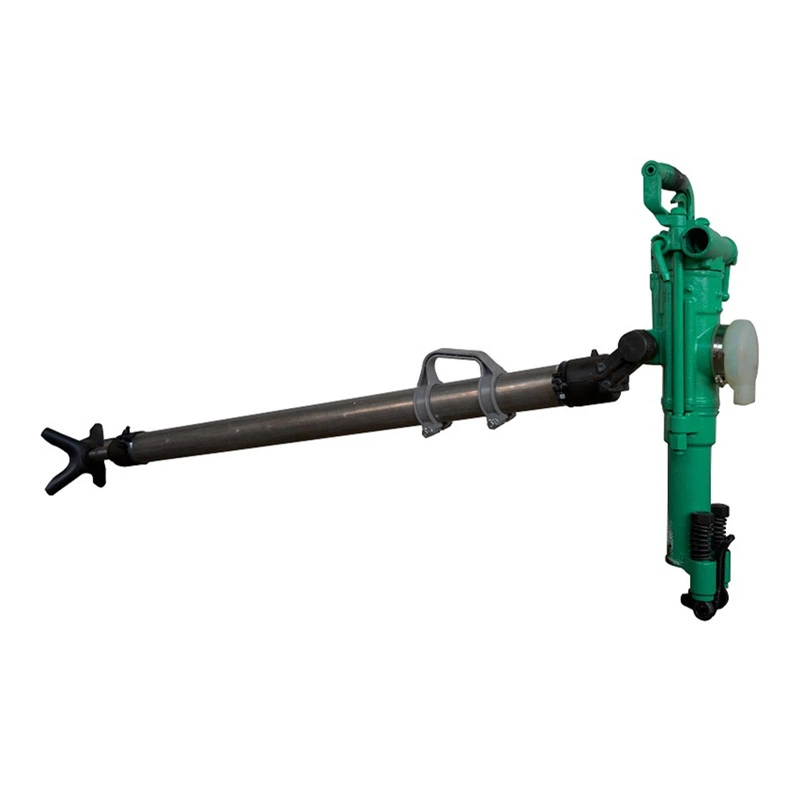
Hey there! As a supplier of Dth Rock Drilling Rigs, I often get asked about how the shock - absorption system of these rigs works. So, I thought I'd take the time to break it down for you in this blog post.
First off, let's understand why a shock - absorption system is so important in a Dth Rock Drilling Rig. When the rig is in operation, it's constantly hitting the rock with a high - impact force. This generates a ton of vibrations and shocks. If these shocks aren't properly absorbed, they can cause a whole bunch of problems. For one, they can damage the components of the drilling rig itself, leading to costly repairs and downtime. Also, excessive vibrations can make the drilling process less accurate and efficient, and they can even be a safety hazard for the operators.
So, how does the shock - absorption system actually work? Well, there are a few key components and principles involved.
The Role of Springs
One of the most common elements in a shock - absorption system is the spring. Springs are used to absorb and store the energy from the shocks. When the drill bit hits the rock, the force is transferred up through the drill string. The springs in the shock - absorption system compress under this force. As they compress, they convert the kinetic energy of the shock into potential energy.
Think of it like this: when you push down on a spring, you're storing energy in it. Once the force is removed, the spring releases that stored energy. In the case of a Dth Rock Drilling Rig, the springs release the energy in a more controlled way, which helps to reduce the impact of the shock on the rest of the rig. Different types of springs can be used, such as coil springs or leaf springs, depending on the design and requirements of the rig.
Hydraulic Dampers
Another important part of the shock - absorption system is the hydraulic damper. Hydraulic dampers work by using a fluid, usually oil, to control the movement of the springs. When the springs compress or expand, the hydraulic damper restricts the flow of the fluid. This creates a resistance that slows down the movement of the springs, which in turn helps to dampen the shocks.
Let's say the drill bit hits a particularly hard rock and there's a sudden, large shock. The springs start to compress quickly, but the hydraulic damper restricts the flow of the oil, preventing the springs from compressing too fast. This slows down the rate at which the shock is absorbed, making the process smoother and more controlled. Hydraulic dampers are great because they can be adjusted to suit different drilling conditions. For example, if you're drilling in a very hard rock formation, you can adjust the damper to provide more resistance.
Rubber Isolators
Rubber isolators are also commonly used in the shock - absorption system. These are made of rubber or rubber - like materials and are placed between different components of the drilling rig. Their main job is to isolate the vibrations and shocks from one part of the rig to another.


For instance, rubber isolators can be placed between the drill head and the frame of the rig. When the drill bit creates vibrations, the rubber isolators absorb and dissipate these vibrations, preventing them from spreading to the rest of the rig. Rubber isolators are flexible and can conform to different shapes, which makes them easy to install in various parts of the rig. They're also relatively inexpensive and can be replaced easily if they get worn out.
Integrated Design
The shock - absorption system in a Dth Rock Drilling Rig isn't just a collection of individual components. It's an integrated system where all the components work together in harmony. The springs, hydraulic dampers, and rubber isolators are designed to complement each other's functions.
For example, the springs absorb the initial shock and store the energy, while the hydraulic dampers control the rate at which the energy is released. The rubber isolators then prevent the remaining vibrations from causing damage to the rest of the rig. This integrated approach ensures that the shock - absorption system is as effective as possible in protecting the rig and improving the drilling performance.
Benefits of a Good Shock - Absorption System
A well - designed shock - absorption system offers several benefits. Firstly, it extends the lifespan of the drilling rig. By reducing the impact of the shocks on the components, it minimizes wear and tear, which means fewer breakdowns and less maintenance. This can save a lot of money in the long run.
Secondly, it improves the accuracy of the drilling. When there are fewer vibrations, the drill bit can stay on course more easily, resulting in more precise holes. This is especially important in applications where accuracy is crucial, such as in mining or construction projects.
Finally, a good shock - absorption system enhances the safety of the operators. Excessive vibrations can cause fatigue and discomfort to the operators, and in some cases, they can even lead to long - term health problems. By reducing the vibrations, the shock - absorption system makes the working environment safer and more comfortable for the operators.
If you're in the market for a Dth Rock Drilling Rig, you might also be interested in our other products like the Pneumatic Drill Rig, the YT28 Rock Drill, and the Dth Pneumatic Rock Drill. These products also feature advanced shock - absorption systems to ensure optimal performance.
If you have any questions about our Dth Rock Drilling Rigs or want to discuss a potential purchase, don't hesitate to reach out. We're here to help you find the right drilling solution for your needs.
References
- Engineering textbooks on mechanical systems and shock - absorption principles
- Industry reports on the performance and design of Dth Rock Drilling Rigs
- Manufacturer's documentation on the components and operation of shock - absorption systems in drilling rigs