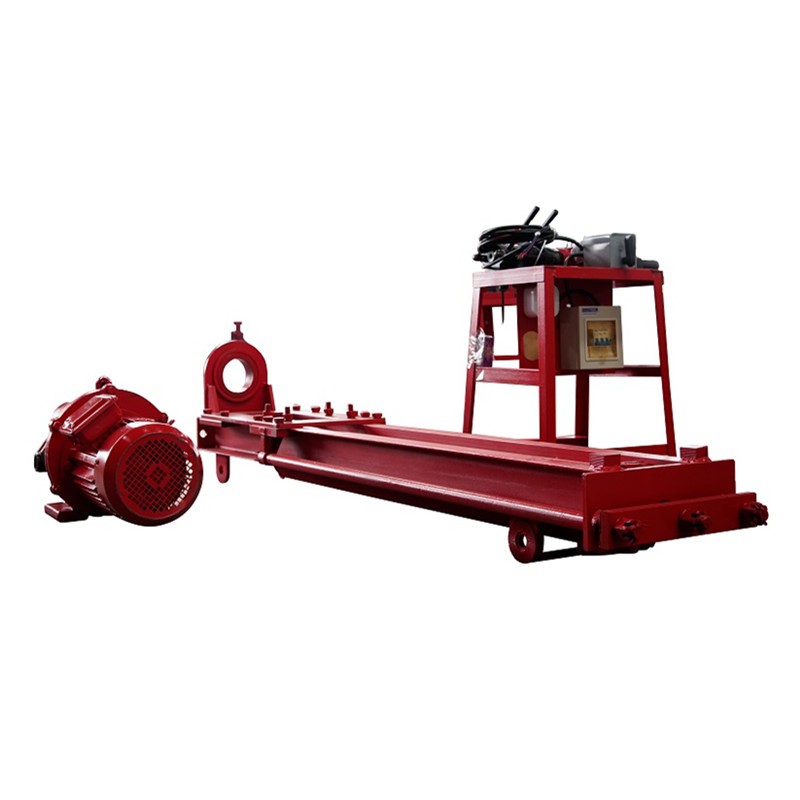
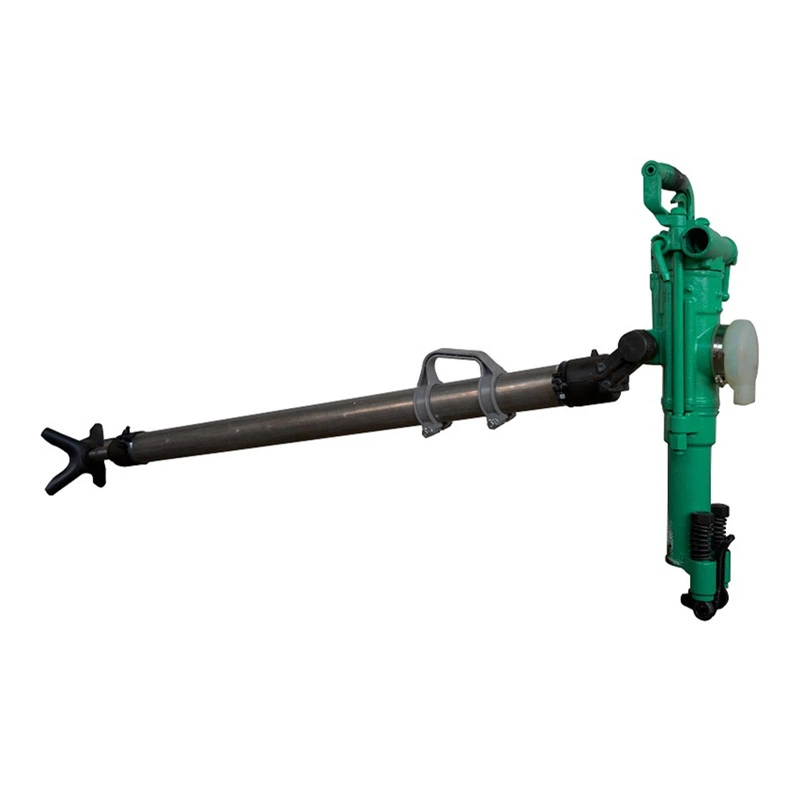
Hey there! I'm a supplier of Compact Rock Drill Rigs, and I've seen my fair share of issues with these machines. In this blog, I'll walk you through some common problems you might encounter with compact rock drill rigs and how to troubleshoot them.
1. Drill Bit Not Cutting Effectively
One of the most common issues is when the drill bit isn't cutting through the rock as it should. This can be super frustrating, especially when you're on a tight schedule.
Possible Causes
- Worn - Out Drill Bit: Over time, drill bits get dull. If you've been using the same bit for a long time, it might just be time for a replacement.
- Incorrect Bit Type: Different types of rock require different drill bits. Using the wrong bit for the rock type can lead to poor cutting performance.
- Low Rotational Speed: If the drill rig isn't rotating the bit fast enough, it won't cut effectively.
Troubleshooting Steps
- Check the Drill Bit: Inspect the bit for signs of wear. If it's dull or damaged, replace it with a new one. You can find a variety of high - quality drill bits suitable for Compact Rock Drill Rigs on our website.
- Verify Bit Compatibility: Make sure you're using the right bit for the type of rock you're drilling. For example, if you're dealing with hard granite, you'll need a different bit than if you're drilling through softer limestone.
- Adjust Rotational Speed: Refer to the drill rig's manual to find the recommended rotational speed for your specific application. Adjust the speed settings accordingly.
2. Rig Not Starting
It's a real pain when you're all set to start drilling, but the rig won't fire up.
Possible Causes
- Dead Battery: If the battery is old or hasn't been charged properly, the rig won't start.
- Fuel Issues: Low fuel levels, clogged fuel filters, or bad fuel can prevent the engine from starting.
- Electrical Problems: Faulty wiring, loose connections, or a malfunctioning starter motor can also be the culprit.
Troubleshooting Steps
- Check the Battery: Test the battery voltage using a multimeter. If it's low, charge the battery or replace it if it's old.
- Inspect the Fuel System: Check the fuel level and make sure the fuel filter isn't clogged. If the fuel looks dirty or has been sitting for a long time, drain it and refill with fresh fuel.
- Examine the Electrical System: Look for any loose or damaged wires. Check the starter motor and other electrical components for signs of malfunction. If you're not comfortable working with electrical systems, it's best to call a professional.
3. Excessive Vibration
Excessive vibration can not only make the drilling process uncomfortable but also lead to premature wear and tear on the rig.
Possible Causes
- Imbalanced Drill Bit: If the drill bit isn't balanced correctly, it can cause the rig to vibrate excessively.
- Loose Components: Loose bolts, nuts, or other parts can also contribute to increased vibration.
- Worn - Out Bearings: Bearings that are worn or damaged can cause the rig to vibrate as it operates.
Troubleshooting Steps
- Balance the Drill Bit: Use a bit balancing tool to ensure the drill bit is properly balanced. If it's severely unbalanced, it may need to be replaced.
- Tighten Loose Components: Go over the rig and tighten any loose bolts, nuts, or other parts. Make sure everything is securely fastened.
- Inspect and Replace Bearings: Check the bearings for signs of wear or damage. If necessary, replace them with new ones.
4. Hydraulic System Problems
The hydraulic system is crucial for the operation of many compact rock drill rigs. Issues with the hydraulic system can lead to reduced performance or even complete failure.
Possible Causes
- Low Hydraulic Fluid Level: If the hydraulic fluid level is too low, the system won't function properly.
- Contaminated Hydraulic Fluid: Dirt, debris, or water in the hydraulic fluid can damage the hydraulic components.
- Hydraulic Leaks: Leaks in the hydraulic lines or connections can cause a loss of pressure and reduced performance.
Troubleshooting Steps
- Check the Hydraulic Fluid Level: Locate the hydraulic fluid reservoir and check the fluid level. If it's low, top it up with the recommended hydraulic fluid.
- Inspect the Hydraulic Fluid: Look for signs of contamination, such as a milky appearance or the presence of debris. If the fluid is contaminated, drain it and replace it with fresh fluid.
- Find and Fix Leaks: Look for any signs of hydraulic fluid leaks, such as wet spots or puddles under the rig. Tighten any loose connections or replace damaged hydraulic lines.
5. Air Compressor Issues
Many compact rock drill rigs use an air compressor to power the drill bit. Problems with the air compressor can affect the drilling performance.
Possible Causes
- Low Air Pressure: If the air pressure is too low, the drill bit won't operate effectively.
- Clogged Air Filters: Dirty air filters can restrict the airflow to the compressor, reducing its efficiency.
- Malfunctioning Compressor: Issues with the compressor itself, such as a broken piston or a faulty valve, can cause problems.
Troubleshooting Steps
- Check the Air Pressure: Use a pressure gauge to check the air pressure. If it's low, adjust the compressor settings or check for leaks in the air lines.
- Clean or Replace Air Filters: Remove the air filters and clean them if they're dirty. If they're severely clogged, replace them with new ones.
- Inspect the Compressor: If you suspect a problem with the compressor, it's best to have it inspected by a professional. They can diagnose and repair any issues with the compressor.
Conclusion
Well, there you have it! These are some of the most common problems you might encounter with compact rock drill rigs and how to troubleshoot them. Remember, regular maintenance and proper operation are key to keeping your rig in top shape.
If you're in the market for a new Compact Rock Drill Rigs, Portable Rock Drilling Machine, or Underground Rock Drill, we've got you covered. Our products are known for their quality, reliability, and performance.


If you have any questions or need further assistance with troubleshooting or purchasing, don't hesitate to reach out. We're here to help you get the most out of your rock drilling equipment.
References
- Manufacturer's manuals for compact rock drill rigs
- Industry best practices for rock drilling equipment maintenance and troubleshooting