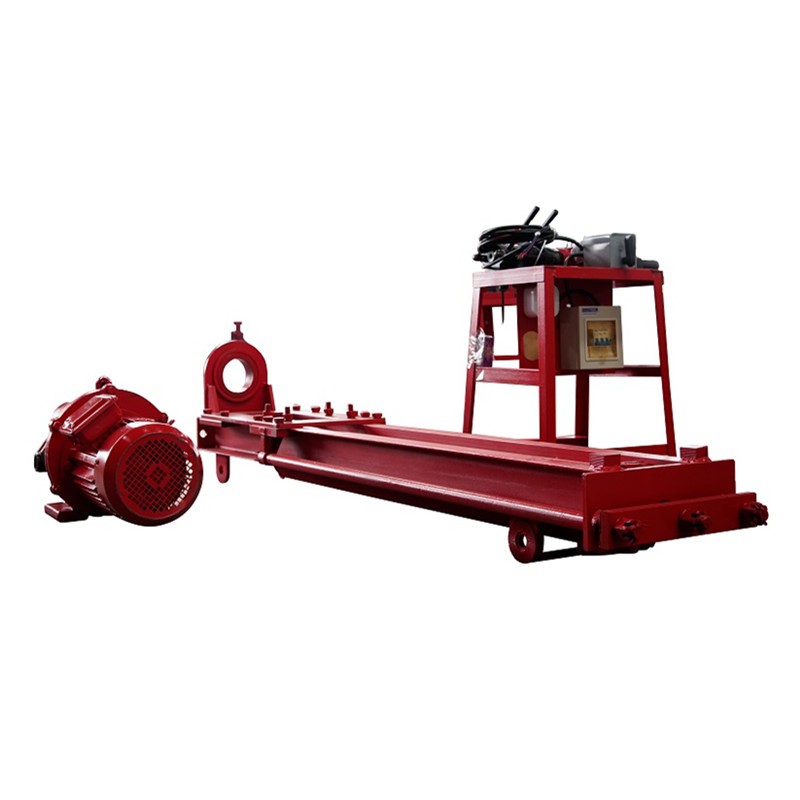
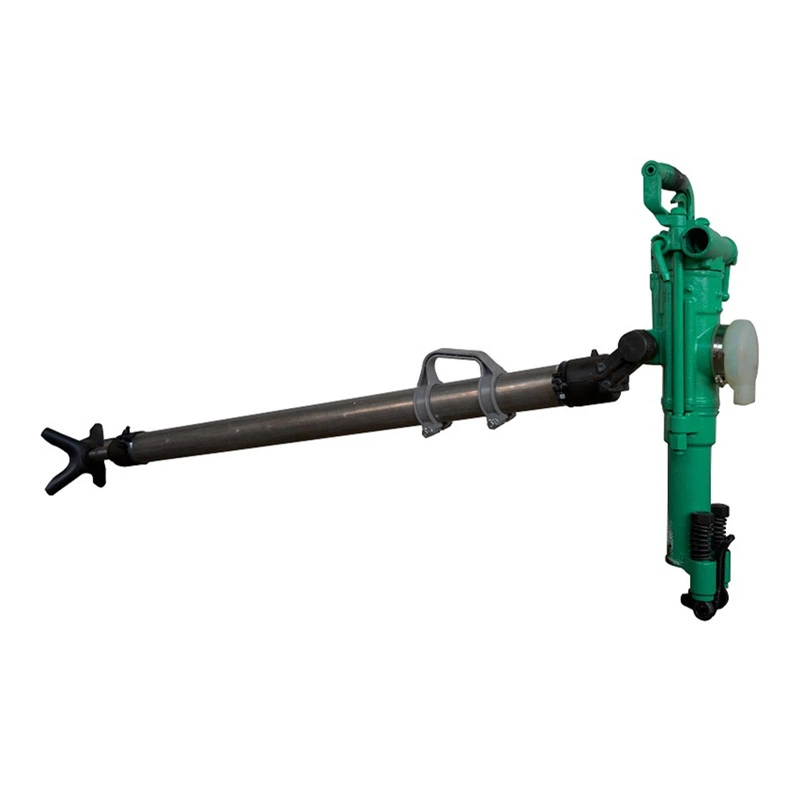
Hey there! I'm a supplier of portable air compressors, and I often get asked about how to lubricate these nifty machines. Lubrication is super important for the smooth operation and longevity of your portable air compressor. In this blog, I'll walk you through the whole process, step by step.
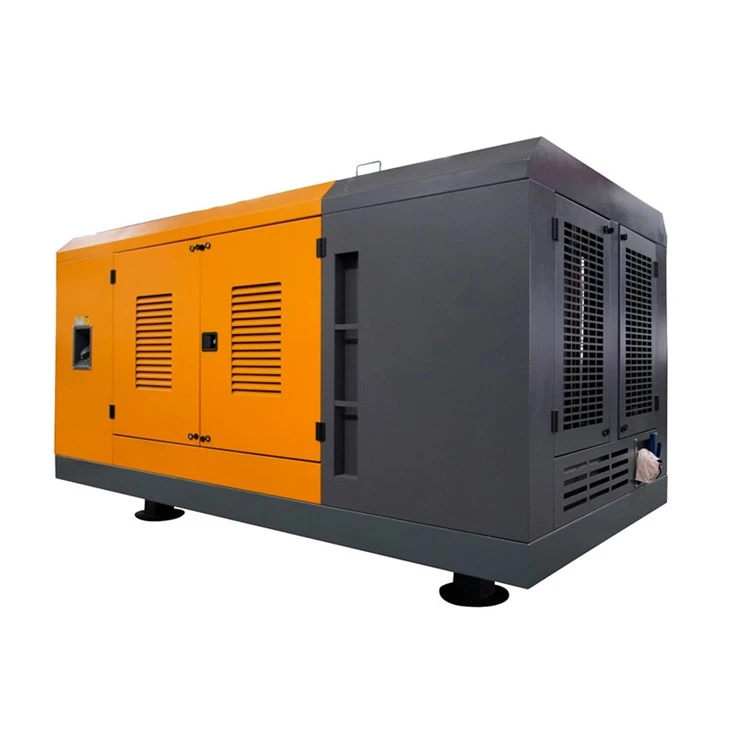

First off, let's talk about why lubrication matters. A portable air compressor, whether it's a Tow Air Compressor, a Compressor for Drilling Rock, or a Portable Screw Air Compressor, has a lot of moving parts. These parts rub against each other during operation, creating friction. Friction generates heat, and too much heat can damage the components of the compressor. Lubricant acts as a barrier between these moving parts, reducing friction and heat, and preventing wear and tear.
Before you start lubricating your portable air compressor, you need to gather the right supplies. You'll need the appropriate lubricant for your compressor. Different compressors require different types of lubricants, so it's crucial to check your compressor's manual. Most compressors use either mineral oil, synthetic oil, or a blend of the two. Mineral oil is the most common and affordable option, but synthetic oil offers better performance and longer life, especially in extreme temperatures. You'll also need a funnel, a clean rag, and a pair of gloves to keep your hands clean.
Now, let's get into the actual lubrication process. First, make sure your compressor is turned off and has cooled down completely. You don't want to risk getting burned by hot components. Next, locate the oil fill port on your compressor. This is usually marked clearly on the compressor body. Remove the oil fill cap carefully.
Once you've removed the cap, take your funnel and insert it into the oil fill port. Slowly pour the lubricant into the funnel. Be careful not to overfill the compressor. You can check the oil level using the oil sight glass or dipstick, depending on your compressor model. The oil level should be between the minimum and maximum marks. If you're not sure how much oil to add, refer to your compressor's manual for the recommended oil capacity.
As you're pouring the oil, keep an eye out for any signs of oil leakage around the oil fill port. If you notice any leakage, stop pouring the oil and check for loose connections or damaged gaskets. You may need to tighten the connections or replace the gaskets to prevent further leakage.
After you've added the appropriate amount of oil, remove the funnel and wipe the area around the oil fill port with a clean rag. Replace the oil fill cap securely. Make sure it's tightened properly to prevent oil from leaking out during operation.
Now that you've lubricated your compressor, it's a good idea to run it for a few minutes to circulate the oil. Start the compressor and let it run at idle speed for about 5 - 10 minutes. Listen for any unusual noises or vibrations. If you hear anything strange, turn off the compressor immediately and check for problems.
Regular lubrication is essential for the proper maintenance of your portable air compressor. How often you need to lubricate your compressor depends on several factors, such as how often you use it, the operating conditions, and the type of lubricant you use. As a general rule of thumb, you should check the oil level before each use and change the oil every 50 - 100 hours of operation. However, it's always best to follow the manufacturer's recommendations in your compressor's manual.
In addition to regular lubrication, there are a few other things you can do to keep your portable air compressor in good condition. Keep the compressor clean and free of dirt and debris. Check the air filter regularly and replace it if it's dirty. Inspect the hoses and connections for any signs of damage or wear, and replace them if necessary.
Well, that's pretty much all there is to lubricating a portable air compressor. I hope this blog has been helpful to you. If you have any questions or need more information about portable air compressors or lubrication, feel free to reach out. Whether you're in the market for a new Tow Air Compressor, a Compressor for Drilling Rock, or a Portable Screw Air Compressor, I'm here to assist you. Just get in touch, and we can discuss your specific needs and requirements.
References
- Manufacturer's manuals of portable air compressors
- General knowledge of air compressor maintenance and lubrication