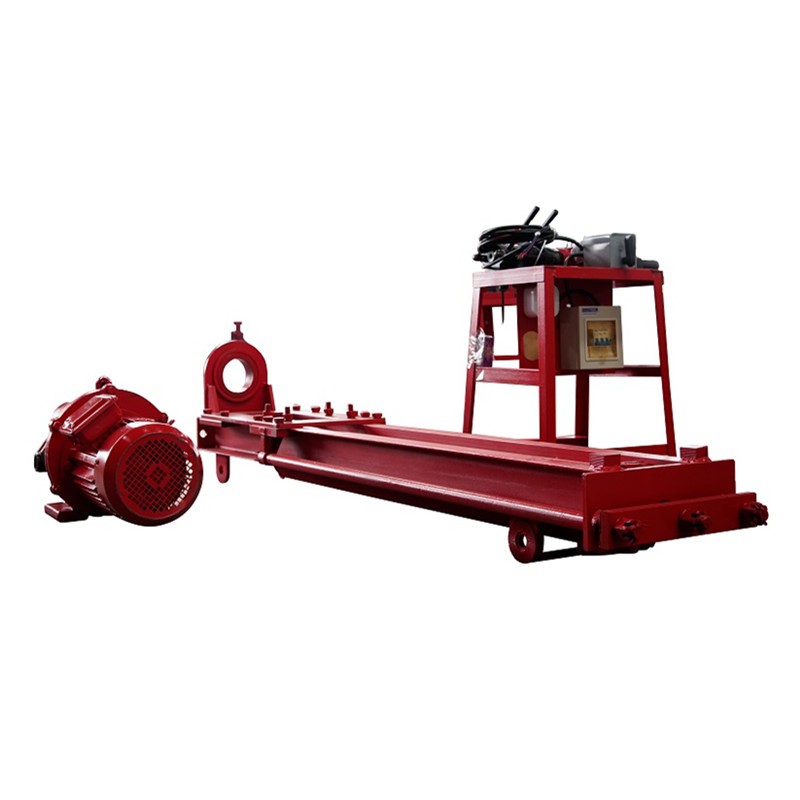
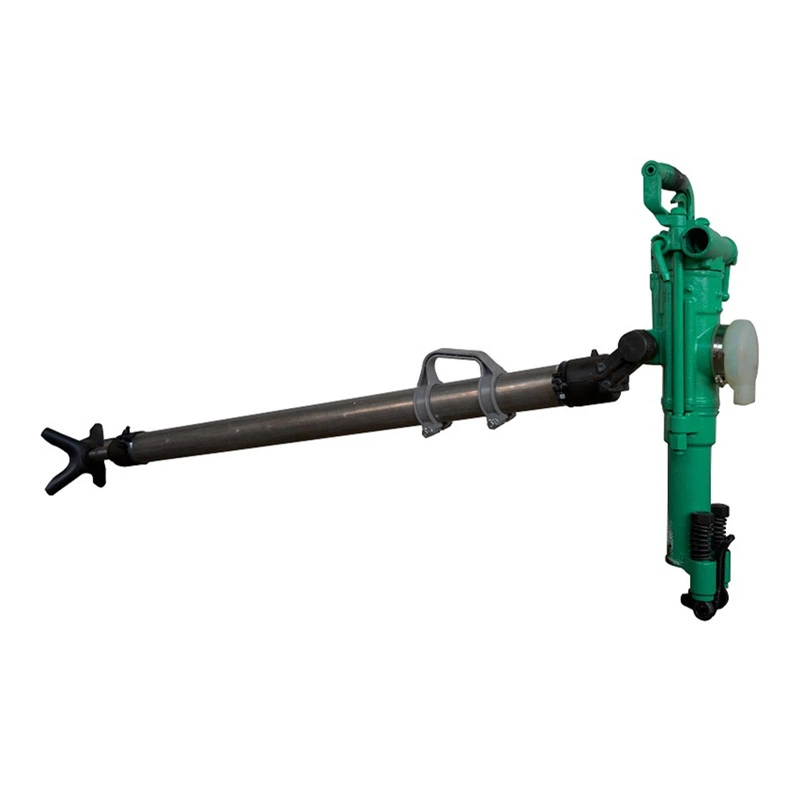
As a supplier of Low Pressure Dth Hammers, I often receive inquiries from customers about the suitability of our products in different geological conditions. One question that comes up frequently is whether a low pressure DTH hammer can be used in sandy soil. In this blog post, I will delve into this topic and provide a comprehensive analysis based on scientific knowledge and practical experience.
Understanding Low Pressure DTH Hammers
Before we discuss the use of low pressure DTH hammers in sandy soil, let's first understand what they are. A DTH (Down-the-Hole) hammer is a type of drilling tool that is used in various drilling applications, including mining, construction, and geotechnical exploration. The low pressure DTH hammer operates at a relatively lower air pressure compared to high pressure DTH hammers. This feature makes it more energy - efficient and cost - effective in many situations.
The working principle of a low pressure DTH hammer involves the use of compressed air to drive a piston inside the hammer. The piston then strikes the drill bit, creating an impact force that breaks the rock or soil. The low pressure DTH hammer is designed to work effectively in a wide range of rock formations, but its performance in sandy soil needs to be carefully evaluated.
Characteristics of Sandy Soil
Sandy soil is composed mainly of sand particles, which are relatively large and have a loose structure. It has low cohesion between particles, which means it is easy to displace. Sandy soil also has high permeability, allowing water to drain through it quickly. These characteristics have a significant impact on the drilling process when using a low pressure DTH hammer.
Advantages of Using Low Pressure DTH Hammers in Sandy Soil
1. Energy Efficiency
The loose structure of sandy soil requires less energy to break through compared to hard rock formations. A low pressure DTH hammer can provide sufficient impact force to drill through sandy soil while consuming less compressed air. This results in lower energy costs and a more sustainable drilling operation.
2. Reduced Dust Generation
When drilling in sandy soil, the low pressure DTH hammer can help reduce dust generation. The lower air pressure means that the sand particles are not blown out with as much force, which is beneficial for the environment and the health of the drilling crew.
3. Adaptability
Low pressure DTH hammers are generally more adaptable to different drilling conditions. They can be easily adjusted to suit the specific requirements of sandy soil, such as the drilling speed and the depth of the hole.
Challenges of Using Low Pressure DTH Hammers in Sandy Soil
1. Hole Collapse
Due to the low cohesion of sandy soil, there is a risk of hole collapse during the drilling process. The impact force of the DTH hammer may cause the sand particles around the hole to loosen further, leading to the collapse of the hole walls. This can damage the drilling equipment and slow down the drilling progress.
2. Bit Wear
The abrasive nature of sand particles can cause significant wear on the DTH Hammer Drill Bits. The constant friction between the sand and the drill bit can reduce the lifespan of the bit, increasing the overall cost of the drilling operation.
3. Sand Ingress
Sandy soil can easily enter the internal parts of the low pressure DTH hammer, causing damage to the piston and other components. This can lead to malfunctions and require frequent maintenance and repairs.
Strategies to Overcome Challenges
1. Use of Stabilizers
To prevent hole collapse, stabilizers can be used. Stabilizers are devices that are attached to the drill string to provide support to the hole walls. They help maintain the integrity of the hole during the drilling process.
2. Selection of Appropriate Drill Bits
Choosing the right DTH Hammer Drill Bits is crucial. Bits with hard - facing materials or carbide inserts can better withstand the abrasive action of sand particles, reducing bit wear and extending the bit's lifespan.
3. Regular Maintenance
Regular maintenance of the low pressure DTH hammer is essential to prevent sand ingress and ensure its proper functioning. This includes cleaning the internal parts, checking the seals, and lubricating the moving components.
Case Studies
In some construction projects where sandy soil is prevalent, the use of low pressure DTH hammers has been successful. For example, in a foundation drilling project for a small building, the contractor used a low pressure DTH hammer with appropriate drill bits and stabilizers. By carefully controlling the drilling parameters and conducting regular maintenance, they were able to complete the drilling work efficiently and cost - effectively.
On the other hand, there have also been cases where the challenges were not properly addressed. In a geotechnical exploration project, the lack of proper stabilizers led to multiple hole collapses, which significantly delayed the project and increased the cost.
Conclusion
In conclusion, a low pressure DTH hammer can be used in sandy soil, but it comes with both advantages and challenges. The energy efficiency and adaptability of low pressure DTH hammers make them a viable option for drilling in sandy soil. However, the risks of hole collapse, bit wear, and sand ingress need to be carefully managed.
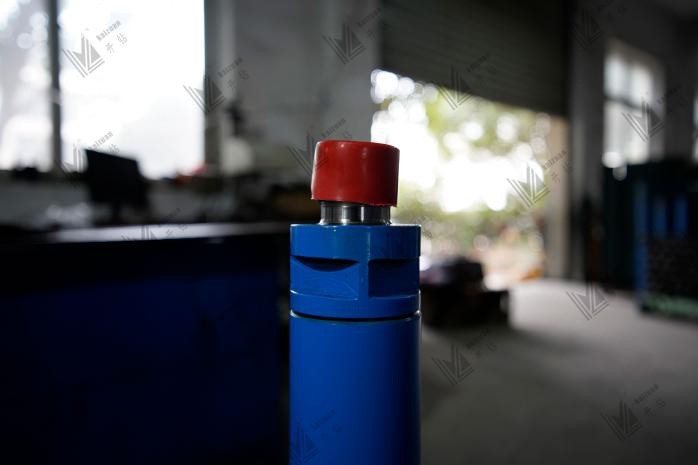

By implementing appropriate strategies such as using stabilizers, selecting the right drill bits, and conducting regular maintenance, the challenges can be overcome, and the benefits of using a low pressure DTH hammer in sandy soil can be fully realized.
If you are considering using a low pressure DTH hammer for your drilling project in sandy soil, we are here to provide you with high - quality products and professional advice. Our Low Pressure Dth Hammer is designed to meet the specific requirements of various drilling applications. Contact us to start a discussion about your project and explore how our products can help you achieve your goals.
References
- Smith, J. (2018). Drilling Techniques in Soft Soils. Journal of Drilling Engineering, 25(3), 123 - 135.
- Johnson, R. (2019). The Impact of Soil Characteristics on DTH Hammer Performance. Geotechnical Research Journal, 32(2), 89 - 98.
- Brown, A. (2020). Maintenance Strategies for DTH Hammers in Abrasive Environments. Drilling Equipment Magazine, 45(4), 67 - 74.